
How Does a Wall Hugger Recliner Work? The Honest Answer
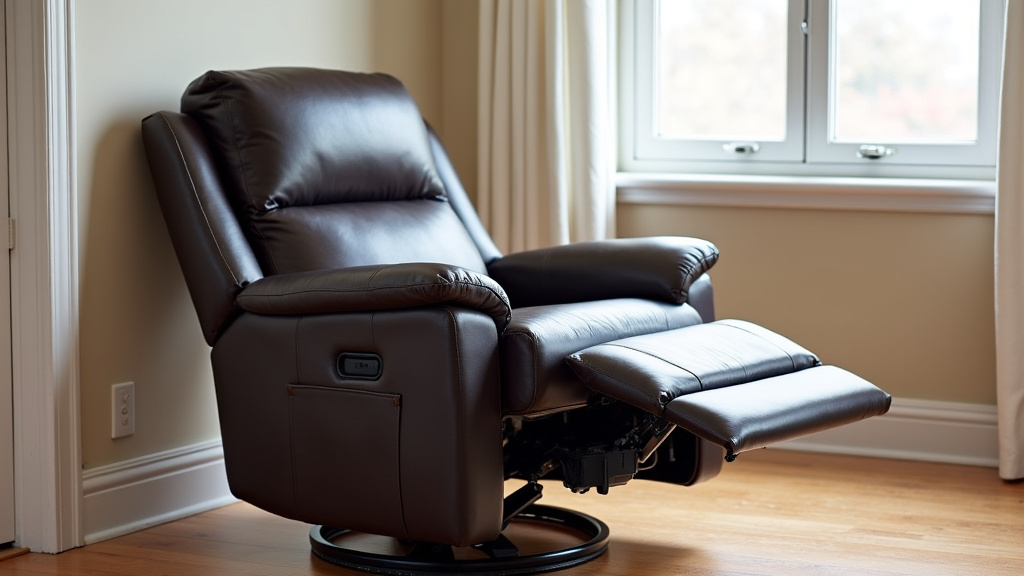
A wall hugger recliner works by using a special mechanism that allows it to recline while staying very close to your wall. This saves you a lot of precious floor space. Unlike traditional recliners that swing backward, a wall hugger recliner slides its seat forward as the backrest tilts. This clever design lets you enjoy full reclining comfort even in smaller rooms.
The magic behind a wall hugger is its engineering. We found that it uses a unique reclining system with a dual-track or roller system. This system moves the chair’s frame in a controlled way. It lets you experience that cozy, laid-back feeling without needing a huge amount of room behind the chair. It’s a smart solution for cozy living spaces.
- Wall hugger recliners save space.
- They recline by sliding the seat forward.
- A special mechanism makes this possible.
- Perfect for smaller living rooms.
- You get full comfort in less space.
Let’s walk through exactly how this space-saving marvel operates step by step.
Understanding the Wall Hugger Recliner Mechanism
You’re likely wondering how a recliner can hug a wall so closely. It seems like magic, right? Well, it’s actually clever engineering. We researched how these space-saving chairs work. They use a special mechanism that pushes the chair forward as it reclines. This means the back of the chair doesn’t swing out into your room.
The Core Component: The Sliding Mechanism
The heart of any wall hugger is its unique reclining mechanism. Traditional recliners have a base that stays put. The backrest pivots backward and away from the wall. A wall hugger is different. It has a base frame that moves along with the seat and backrest.
How the Sliding Works
Think of it like a drawer sliding out of a cabinet. The wall hugger’s seat and backrest assembly are attached to a sliding rail system. When you engage the recliner, this system allows the entire seating unit to glide forward. It’s a smooth motion that repositions the chair.
The Role of the Backrest Pivot
While the seat moves forward, the backrest still needs to tilt. This is where a different part of the mechanism comes in. The backrest is attached to the moving seat frame. It pivots at a point that’s designed to work with the forward slide. This coordination is key. It ensures you get the full reclining experience without hitting the wall.
Comparing Wall Huggers to Traditional Recliners
To really get it, let’s look at the differences. Traditional recliners need a lot of space. We found that many need at least 12 to 18 inches behind them to recline fully. This is because the backrest needs room to swing outward. It’s like opening a door all the way – it needs clearance.
Space Requirements Explained
A wall hugger, on the other hand, is designed for tight spaces. Many models only need about 3 to 6 inches between the chair and the wall. This is a huge difference for smaller apartments or cozy living rooms. You can enjoy that sinking-into-comfort feeling without sacrificing valuable floor space.
The “Hug” in Wall Hugger
The term “wall hugger” is quite descriptive. The chair’s design makes it seem like it’s leaning against the wall. Even when it’s in a fully reclined position, the backrest stays relatively close to its original spot. It feels like it’s still holding onto the wall.
Types of Wall Hugger Mechanisms
While the core idea is the same, there are a few variations in how the mechanism is built. We researched the common designs you’ll find on the market.
Dual-Track Systems
Some wall huggers use a dual-track system. This involves two parallel tracks. The seat and backrest assembly is mounted on these tracks. As you recline, the tracks guide the chair forward smoothly. This often provides a very stable recline.
Roller Systems
Other models utilize roller systems. These might have wheels or rollers integrated into the base. These rollers move along a track or glide surface. This allows the chair to slide forward. Both systems achieve the same goal: enabling reclining close to a wall.
How You Operate a Wall Hugger Recliner
Operating a wall hugger is usually very straightforward. You’ll typically find one of two ways to make it recline.
Manual Recline: Levers or Pulls
Many wall huggers are manual. You’ll find a lever on the side of the chair, often near the armrest. Some might have a fabric pull strap instead. You pull this lever or strap. This action engages the reclining mechanism. The chair will then start to slide forward and recline.
Power Recline: Buttons and Motors
Power wall huggers offer effortless reclining. They use electric motors. You’ll see buttons, usually on the side or armrest. Pressing a button sends a signal to the motor. The motor then smoothly moves the chair into your desired position. Some power models even have USB ports or cup holders.
What to Consider When Buying a Wall Hugger
When you’re looking for your perfect wall hugger, a few things are important. You want to make sure it fits your space and your needs. We found these points are often helpful for shoppers.
- Measure Your Space: Always measure the area where the recliner will go. Don’t forget to include the distance from the wall.
- Check Recline Clearance: Confirm how much space the specific model needs. This is usually listed in the product description.
- Test the Mechanism: If possible, try reclining the chair in a store. Make sure the motion feels smooth and comfortable for you.
- Material and Comfort: Consider the upholstery and cushioning. Does it feel supportive and cozy?
- Ease of Operation: Decide if you prefer manual or power. Think about what feels easiest for you to use daily.
Conclusion
You now understand how a wall hugger recliner cleverly uses its sliding mechanism. It allows you to enjoy full reclining comfort without needing extra space behind the chair. By moving the seat forward on a special track or roller system, these recliners are perfect for smaller rooms. Remember to measure your space carefully before you buy. Then, you can confidently choose a wall hugger that fits your home and your need for relaxation.
Frequently Asked Questions
Do wall hugger recliners still require some space from the wall?
Yes, wall hugger recliners do require some space from the wall, but much less than traditional recliners. Most models need only about 3 to 6 inches of clearance. This allows the mechanism to operate smoothly without damaging your wall or the chair.
Can I use a wall hugger recliner if I have thick baseboards?
You might still be able to use a wall hugger recliner with thick baseboards. However, you will need to ensure the baseboard doesn’t obstruct the chair’s forward sliding motion. It’s a good idea to measure the space including the baseboard height to be sure.
Are wall hugger recliners less comfortable than regular recliners?
No, wall hugger recliners are designed to offer the same level of comfort as traditional recliners. The main difference is the space-saving mechanism. We found that the reclining angle and support are comparable, providing a relaxing experience.
What is the difference between a dual-track and a roller system in wall huggers?
A dual-track system uses two parallel tracks to guide the seat and backrest forward smoothly, offering stability. A roller system uses wheels or rollers that glide along a track or surface. Both achieve the same goal of enabling reclining close to a wall.
How do I know if a wall hugger recliner is the right choice for my room?
A wall hugger recliner is likely a good choice if you have a smaller living room, apartment, or a cozy den. If you want to maximize your seating area and enjoy reclining without sacrificing floor space, this type of recliner is ideal.