What Is a Wall Hugger Recliner? The Basics
On this page (3 sections)
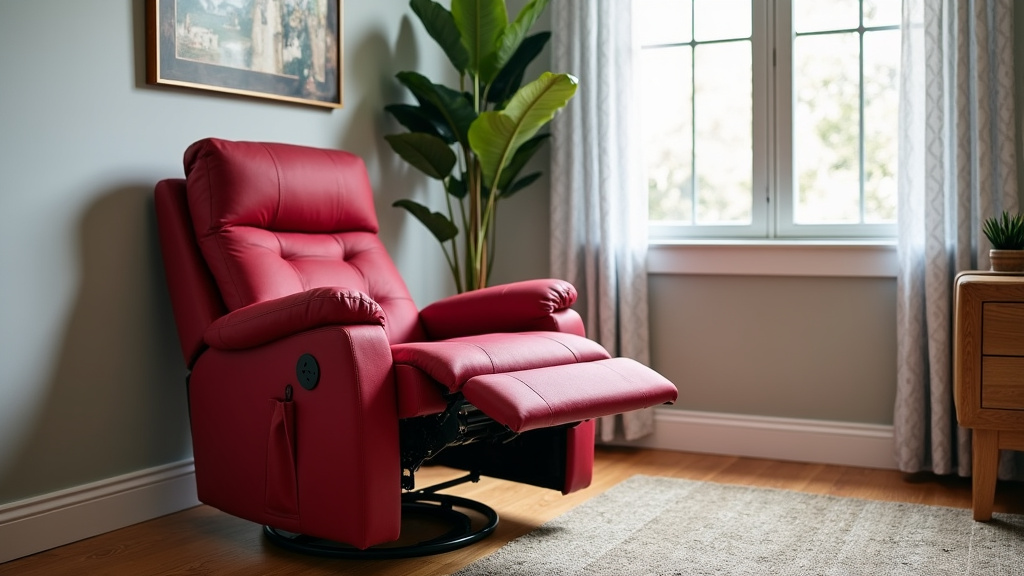
A wall hugger recliner is a space-saving sofa designed to sit very close to your wall. It reclines forward, not backward, so you don’t need much space behind it. This makes it perfect for smaller living rooms where a traditional recliner just won’t fit. A wall saver recliner is another space-conscious option. You get all the comfort without sacrificing floor space.
You might be wondering how they work without hitting the wall. The magic is in their unique mechanism. Instead of tilting back, the seat and footrest glide forward as the backrest reclines. This clever design means you can enjoy a good recline with only inches between the chair and your wall. Many people find them a great solution for tight spaces.
- A wall hugger recliner saves space.
- It reclines forward, away from the wall.
- You only need a few inches of clearance.
- Perfect for apartments and small rooms.
So, if you’re dreaming of putting your feet up but think you don’t have the room, let’s take a closer look at what makes these chairs so clever.
Understanding the Space-Saving Wall Hugger Recliner
So, you’re curious about these wall hugger recliners. They’re a clever solution for anyone who loves the idea of putting their feet up but has limited space. Think of them as the smart, compact cousins of the traditional recliner. They offer the same comfort and relaxation benefits. The key difference is how they are engineered to function.
How Does a Wall Hugger Recliner Actually Work?
The “hugger” part of the name comes from how close they can sit to your wall. A standard recliner needs a lot of space behind it. This is because its backrest typically tilts backward into the wall. A wall hugger recliner, however, uses a different reclining motion. It’s designed to move its seating area forward and outward.
The Forward Glide Mechanism
Instead of the back falling backward, the entire seat and footrest of a wall hugger glide forward. This happens as the backrest reclines. It’s like the chair is sliding out from under you. Because the chair moves forward, it doesn’t need any clearance behind it. You can place it just a few inches from the wall.
Space Requirements Explained
Most wall hugger recliners only need about 3 to 6 inches of space between the back of the chair and the wall. This is a huge difference compared to traditional recliners, which might need 10 to 15 inches or more. This compact design makes them ideal for smaller living rooms, apartments, or even bedrooms where space is at a premium.
What Are the Benefits of Choosing a Wall Hugger Recliner?
The most obvious benefit is space-saving. But there are other advantages to consider. These chairs are designed for comfort and ease of use. They bring a touch of luxury to smaller spaces without the bulk. Let’s break down why they are such a popular choice.
Maximizing Your Living Area
When you place a traditional recliner against a wall, it forces you to pull it away. This eats into your usable floor space. A wall hugger recliner allows you to keep your furniture closer together. This can make your room feel larger and more open. You can still have a comfortable recliner and adequate walking space.
Comfort and Functionality
Don’t let the compact design fool you. Wall hugger recliners come in many styles and offer the same comfortable reclining experience as their larger counterparts. You can still lean back, put your feet up, and relax. Many models feature plush cushioning and ergonomic designs.
Variety of Styles and Features
You’re not limited in terms of aesthetics or features. Wall hugger recliners come in a wide range of materials, colors, and designs. You can find them upholstered in leather, fabric, or microfiber. Many also offer additional features like power recline, USB ports, and even massage functions. It’s about finding the right fit for your home and your needs.
| Feature | Wall Hugger Recliner | Traditional Recliner |
|---|---|---|
| Space Behind Chair | 3-6 inches recommended | 10-15+ inches recommended |
| Reclining Mechanism | Seat glides forward | Backrest tilts backward |
| Ideal For | Small rooms, apartments, tight spaces | Larger rooms, open floor plans |
| Visual Impact | Less intrusive, can make room feel larger | Can dominate a smaller space |
Who Can Benefit Most from a Wall Hugger Recliner?
These chairs are fantastic for specific situations and people. If any of these sound like you, a wall hugger might be your perfect seating solution. They solve a common furniture placement puzzle for many households.
- Apartment dwellers: Especially those with smaller living areas.
- Owners of small homes: Where every square foot counts.
- People in multi-purpose rooms: Where space needs to serve many functions.
- Anyone who wants a recliner without sacrificing floor space: It’s not just about tiny rooms.
Things to Consider Before You Buy
While wall hugger recliners offer great benefits, it’s wise to do a little homework. Think about your specific needs and space. This ensures you make the best choice for your comfort and home. Consider these points to make an informed decision.
- Measure your space carefully: Account for the chair’s width and depth, plus any side tables or walkways.
- Check the reclining range: Ensure the forward glide is comfortable for you. Some offer multiple recline positions.
- Consider the height: Make sure the back height is sufficient for your head and neck support if that’s important to you.
- Test the upholstery: Feel the fabric or leather to ensure it’s comfortable and durable for your lifestyle.
Are Wall Hugger Recliners the Right Choice for You?
If you’ve been dreaming of a cozy place to relax but thought your room was too small, the answer might be yes. A wall hugger recliner brings that comforting retreat right to your living space. They are a smart, practical furniture choice. They prove you don’t need a huge room to enjoy ultimate relaxation.
Conclusion
You’ve learned that a wall hugger recliner is a smart solution for making the most of your space. Its unique forward-gliding mechanism allows it to sit incredibly close to your wall. This means you get all the comfort you desire without needing a large room. Whether you live in a cozy apartment or just want to optimize your current living area, these chairs offer a practical way to relax. Ready to find the perfect wall hugger for your home? Take precise measurements of your space and consider your comfort needs before browsing styles.
Frequently Asked Questions
How much space do I really need behind a wall hugger recliner?
You typically only need about 3 to 6 inches between the back of a wall hugger recliner and your wall. This is significantly less than a traditional recliner, which requires much more clearance. This small gap allows the chair’s mechanism to operate smoothly without hitting anything.
Can a wall hugger recliner offer the same comfort as a regular recliner?
Yes, wall hugger recliners are designed to provide the same comfort and relaxation as standard recliners. They offer features like plush cushioning and ergonomic support. The main difference is the space-saving reclining motion, not the overall comfort experience.
What if I need to place the recliner in a corner?
Placing a wall hugger recliner in a corner is usually fine, but you still need to account for the few inches of clearance from the wall. Some models might have slightly different side clearances needed for their mechanism to extend fully. Always check the manufacturer’s specific recommendations.
Are wall hugger recliners only available in manual versions?
No, wall hugger recliners come in both manual and power options. Some manual models use a pull tab to recline; see how pull tab recliners work. Power models use a motor to recline and often include convenient features like USB ports. You can choose the type of operation that best suits your preference and budget.
Will a wall hugger recliner work if I have very low ceilings?
The reclining motion of a wall hugger is forward, so it typically doesn’t require much vertical clearance when fully reclined. This can be an advantage in rooms with lower ceilings compared to traditional recliners that tilt backward. However, it’s still wise to check the specific dimensions for the model you are interested in.