Wall Recliner vs Rocking Recliner: Which Should You Choose? (October 2026)
Choose a wall recliner for tight clearance and a rocking recliner for gentle motion while seated. Compare the space each chair needs and whether you want a fixed or moving base.
On this page (8 sections)
- Wall recliner vs rocking recliner: how do they move?
- Which recliner needs less space from the wall?
- How much room does a rocking recliner need?
- Which chair suits your daily routine?
- Does a wall recliner or rocker feel more relaxing?
- Can you add an ottoman to either style?
- Which should you choose?
- What are the best products for wall recliner vs rocking recliner?
Choose a wall recliner when floor space and wall clearance are tight; choose a rocking recliner when you want gentle motion while seated. In a wall recliner vs rocking recliner comparison, the key difference is how the chair moves: one is designed to recline near a wall, while the other rocks and may swivel.
A wall hugger can be useful in a compact living room, bedroom or RV. A rocker suits a spot where you have room for the chair's base to move.
Neither label tells you every clearance you need. Measure the chair in its upright and reclined positions, then check the space around its base.

 Best for tight wall clearance
Watson & Whitely Genuine Leather Wall Hugger
Wall recliner vs rocking recliner: how do they move?
A wall recliner moves its seat forward as it reclines, while a rocking recliner moves on a rocking base. Some rocking recliners also swivel, but that movement does not make them wall hugger chairs.
The Watson & Whitely Genuine Leather Wall Hugger uses power controls for reclining and its headrest. Its seat moves forward as it reclines, and the listed maximum angle is 135°.
The Korser Recliner Chair rocks and swivels 360°. Its manual tilt reaches up to 165°, so it offers more base movement but needs room for that movement.
The LAFWELL Rocking Recliner Chair also swivels and rocks. Its backrest moves as you change positions, so allow room behind the chair as well as around the base.
What does wall hugger mean?
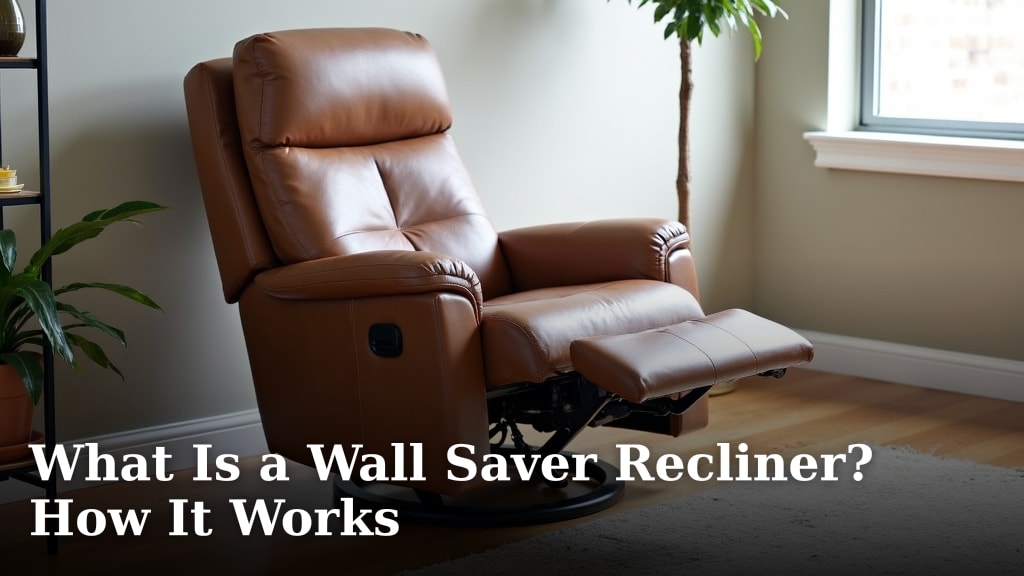
A wall hugger is built to recline with a smaller gap from the wall than a traditional recliner. The seat shifts forward as the back reclines, which can help in a tight layout.
The term describes reclining clearance, not the chair's full footprint. A wall hugger still needs room in front for its footrest and enough space for you to sit down and stand up.
Our guide to What Is a Wall Hugger Recliner? The Basics explains how the seat movement works.
For a specific style, see how to choose a wall hugger wingback recliner.
What does rocking recliner mean?
A rocking recliner has a base that allows a rocking motion while seated. Compare types of recliner chairs to see other designs.
Depending on the model, it may also swivel or recline by lever or power control.
Rocking can be useful while reading, watching TV or sitting with a baby, but it requires a clear area around the base. Don't place a chair where its movement could bump a table, wall or another seat.
The Korser combines rocking with a 360° swivel and manual reclining. The LAFWELL adds a 30° rocking range and 360° swivel, so leave room for both movements.
Which recliner needs less space from the wall?
A wall hugger is usually the better starting point when you have limited wall clearance. Still, check the exact chair's manual and dimensions because the term doesn't give you a universal spacing measurement.
The Watson & Whitely is described as needing just a few inches from the wall to fully recline. Its seat moves forward, but you still need clear floor space in front for the footrest.
The MisUMis RV Loveseat Recliner Sofa is also described as a wall hugger. It is a two-seat option with manual recline, USB ports, cup holders and storage pockets on both sides.
For other compact designs, compare the best wall hugger recliner chairs. A wall saver recliner explained can help you understand a similar space-saving design before choosing a chair.
How do you check recliner clearance?
Measure the space from the wall to the chair back in its upright position, then check the manual for the required clearance when reclined. Also measure the full length of the chair with the footrest open.
Use painter's tape to mark the chair's width and reclined length on the floor. Include a path for walking past the chair and room to reach nearby doors, drawers and tables.
For a loveseat, measure the full width and the route through the home before buying. A compact recline mechanism doesn't make a wide seat easy to fit through a narrow doorway.
How much room does a rocking recliner need?
A rocking recliner needs enough room for the chair to rock and recline without contacting a wall or nearby furniture. A swivel model also needs clear space around its sides.
The Korser measures 35.02 x 28.73 x 37.78 inches. The LAFWELL measures 29.5 x 35 x 40.2 inches, and it has a 30° rocking range plus full swivel movement.
Those dimensions describe the chairs, not the extra movement space around them. Mark the footprint and test a full movement range before settling the chair in a corner.
Keep cords, rugs and small objects away from a moving base. Follow the chair's setup instructions and leave enough room to get in and out without brushing against a table or another seat.
Which chair suits your daily routine?
Choose a wall recliner for a fixed seating spot with tight clearance; choose a rocker when you expect to use the chair's motion. Think about how you sit during a typical evening, not just the room's measurements.
A wall hugger can suit a TV room where the chair stays in one position. A powered option can be useful if you prefer button controls, while a manual model doesn't require powered reclining.
A rocking recliner can suit a reading corner or nursery where a gentle back-and-forth motion is welcome. If you want to turn toward different parts of the room, a swivel base adds another movement to consider.
When is a wall hugger the better fit?
Pick a wall hugger if a regular recliner would sit too far into the room when opened. The Watson & Whitely offers power reclining, a power headrest and USB and Type-C ports in a single-seat chair.
Choose the MisUMis when you need two reclining seats in an RV or home theater layout. It is a loveseat, so confirm the width and delivery route before choosing it over a chair.
If you want a manual lever-operated option, compare manual recliners with lever handles. Check whether the model's recline mechanism fits the wall clearance you measured.
When is a rocking recliner the better fit?
Choose a rocking recliner if you want motion while sitting upright or reclining. The Korser pairs rocking with a swivel base, while the LAFWELL combines rocking and swiveling with massage and heat functions.
Skip a moving base if the chair must fit between furniture with little room to spare. You can still get a reclined position from a fixed-base model without setting aside space for rocking or swiveling.
Does a wall recliner or rocker feel more relaxing?
The more relaxing choice depends on whether you prefer a stable seat or movement. One design doesn't suit everyone, so consider how you already like to sit.
A stationary wall hugger keeps the base in one place as you recline. A rocker provides movement, which some people prefer for reading or unwinding.
Try to match the chair to your routine and access needs. For a broader checklist on fit, comfort and controls, read How to Choose a Recliner: A Simple Guide.
If the chair is for an older family member, consider how easy it is to enter and leave, reach the controls and place the feet. Our guide on how to choose a recliner for an elderly parent covers those choices.
Can you add an ottoman to either style?
An ottoman can add leg support without changing the recliner's base movement, but it also takes floor space. Check that it won't obstruct the footrest, rocking path or walking route.
A recliner with a built-in footrest keeps the leg support attached to the chair. An ottoman lets you move the support separately, which can work well with an upright chair that doesn't recline.
Read our comparison of recliner vs ottoman if you are deciding between attached and separate leg support. Measure the combined arrangement before adding an ottoman beside a rocker.
Which should you choose?
Pick a wall recliner if your main concern is wall clearance, and pick a rocking recliner if you want the chair to move beneath you. Measure the full reclining space first, then account for the base and nearby furniture.
For a tight room, the Watson & Whitely is a single-seat wall hugger with powered reclining. For shared RV seating, the MisUMis is a wall hugger loveseat with two manual reclining seats.
For rocking and swiveling, the Korser is a manual option, while the LAFWELL adds massage and heat. Choose only after confirming there is enough clear space for the chair's movement.
What are the best products for wall recliner vs rocking recliner?
The best choice depends on the movement and clearance you need. These four options cover wall hugging, shared seating, rocking and swiveling.
Our score weighs specs, features and buyer feedback against what you're shopping for.
Frequently asked questions
What is the difference between a wall recliner and a rocking recliner?
A wall recliner is designed to recline with less space between its back and the wall, often by moving the seat forward. A rocking recliner adds a rocking base, and some models also swivel.
One feature addresses room clearance; the other adds movement while seated.
Can a rocking recliner go against a wall?
It can sit near a wall if the chair has enough room to rock and recline without hitting it. Check the exact chair's dimensions and instructions, then leave space for its back and base to move.
Don't assume a rocking model is a wall hugger.
Does a wall recliner rock?
A wall recliner does not necessarily rock. Wall hugger describes how the chair reclines in a smaller space, while rocking describes base movement.
Some chairs may combine features, so check the design and movement listed for the exact model.
Which recliner is better for a small room?
A wall recliner is often easier to place in a small room because it can recline with less wall clearance. Measure the chair's full reclining footprint and leave room for the footrest and walking path.
A rocking recliner may need extra room for its moving base.
What should I measure before choosing either recliner?
Measure the chair's width and depth, wall gap, reclined length, footrest clearance and the route through your doorway. For a rocking or swivel chair, also mark the area its base needs to move.
Confirm the exact model's manual for required clearance before arranging the room.