How to Choose a Recliner: A Simple Guide
On this page (10 sections)
- Finding Your Perfect Recliner: A Practical Guide
- Understand Your Needs First
- Frame Construction and Durability
- Upholstery Options: Comfort and Care
- Support Features for Your Well-being
- Measure Your Space Before You Buy
- Testing and Reviews: Hear from Others
- Recliner Checklist: Your Quick Guide
- Conclusion
- Frequently Asked Questions
Choosing the right recliner involves understanding your comfort needs and space. Look for features like lumbar support and smooth reclining mechanisms. Consider the material and size to ensure it fits your room and lifestyle perfectly.
Finding a recliner can feel overwhelming with so many options. We’ve researched what makes a recliner a great buy. Key factors include durability, ease of use, and overall relaxation potential. It’s about finding a chair that feels made just for you.
- Consider your body type and preferred sitting position.
- Think about the reclining mechanism: manual, power, or wall-hugger.
- Check the frame construction and upholstery for quality.
- Measure your space to ensure a proper fit.
- Read reviews for insights on long-term comfort and durability.
Let’s walk through exactly how to pick the perfect recliner for your home.
Finding Your Perfect Recliner: A Practical Guide
Selecting a recliner is about more than just looks. It’s about finding a comfortable spot where you can truly unwind after a long day. We’ve researched the key factors that go into making a recliner a smart choice for your home and your body. Think of it as finding your personal throne of relaxation.
The goal is to find a chair that cradles you in comfort without causing aches or pains later. We found that paying attention to a few key areas makes all the difference. This guide will help you navigate the options with confidence. Let’s get started on this journey to ultimate comfort.
Understand Your Needs First
Before you even start looking at styles, take a moment to think about how you’ll use your recliner. Do you love to curl up with a book? Or perhaps you prefer to kick back and watch movies? Your primary use will shape your decision.
We found that people who use their recliners for reading often look for good arm support and a comfortable headrest. Those who enjoy napping might prioritize a chair that lays back very flat. Consider your favorite sitting posture too.
Consider Your Body Type and Height
Recliners come in various sizes, and finding one that fits your body is essential. A recliner that’s too small might feel cramped, while one that’s too large can leave you unsupported. We found that many experts suggest considering the seat depth and width.
Your height is also a big factor. If you’re taller, you’ll want a recliner with a higher back to support your head and neck. Shorter individuals might find a recliner with a lower profile more comfortable. Look for models that specify their dimensions and compare them to your own measurements.
A good rule of thumb is to sit in the chair and see if your feet can comfortably reach the floor when not reclined. When reclined, your head should be supported by the headrest, not hanging off the back. Many manufacturers offer chairs in different sizes, often labeled as “standard,” “petite,” or “big and tall.”
Think About the Reclining Mechanism
The way a recliner operates is a major part of its appeal. There are a few common types, and each has its own set of pros and cons. We found that understanding these will help you choose the one that best suits your lifestyle.
Manual Recliners
These are the classic models. You typically pull a lever or push a button on the side to recline. They are often the most budget-friendly option. They also don’t require electricity, making them great for any room.
The downside? You need a bit of physical effort to operate them. Some people find the lever hard to reach or operate, especially if they have mobility issues. We found that the ease of use can vary greatly between brands.
Power Recliners
Power recliners use an electric motor to recline the chair. You simply press a button, and the chair does the work. This is fantastic if you want effortless operation or have any physical limitations.
Many power recliners also come with added features like USB ports for charging devices or adjustable lumbar support. The main consideration here is that you’ll need a power outlet nearby. They also tend to be more expensive than manual versions.
Wall-Hugger Recliners
Also known as “space-saver” recliners, these are designed to sit closer to the wall. They tilt backward and the seat slides forward, so they require less space behind them to fully recline. This is a great option if you have a smaller living room or want to place your recliner near a wall.
While they save space, the reclining range might be slightly more limited than a standard recliner. We found that they are available in both manual and power versions.
Frame Construction and Durability
The backbone of any good recliner is its frame. A sturdy frame means your chair will last for years to come. We found that the best frames are made from strong, durable materials.
Look for frames constructed from kiln-dried hardwood or furniture-grade plywood. These materials are less likely to warp or crack over time. Avoid particleboard or soft woods, as they are less durable.
When you test a recliner, give it a gentle rock. Does it feel solid? Are there any creaks or wobbles? We found that a well-built frame will feel substantial and stable. Check the joints too; they should be well-glued, screwed, and corner-blocked for maximum strength.
Upholstery Options: Comfort and Care
The material covering your recliner affects its look, feel, and how easy it is to maintain. Different fabrics offer different benefits. We found that choosing the right upholstery is key to both comfort and longevity.
Fabric Choices
Polyester blends are popular because they are durable and stain-resistant. Microfiber is another excellent choice, as it’s soft, easy to clean, and holds up well to wear and tear. If you have pets or young children, these are often good starting points.
Natural fibers like cotton can be breathable and comfortable but may be more prone to staining and wrinkling. If you’re considering a delicate fabric, think about how much wear and tear the recliner will actually get.
Leather and Faux Leather
Genuine leather is a premium option that is durable, easy to clean, and develops a beautiful patina over time. It can be an investment, but many find it worth the cost.
Faux leather, or polyurethane, offers a similar look at a lower price point. However, it may not be as durable as real leather and can sometimes peel or crack over time. We found that quality varies greatly with faux leather, so it’s important to check reviews.
When considering upholstery, think about your climate. Leather can feel cold in winter and sticky in summer. Fabrics might be more breathable for warmer environments.
Support Features for Your Well-being
A recliner should do more than just let you lean back; it should support your body. We found that certain support features can make a big difference, especially for those with back pain or who spend a lot of time sitting.
Lumbar Support
This is probably one of the most important features to look for. Lumbar support refers to the curve in the chair that matches the natural inward curve of your lower back. Good lumbar support can prevent strain and discomfort.
Some recliners have built-in lumbar support, while others offer adjustable options. Adjustable lumbar support is fantastic because you can fine-tune the level of firmness and position to your liking. Many experts recommend this feature for daily use (Cleveland Clinic).
Headrest and Armrests
A comfortable headrest prevents neck strain, especially when you’re reclined. Some are adjustable, allowing you to find the perfect angle. Similarly, well-padded and positioned armrests provide a place to relax your arms and shoulders.
We found that the height and padding of the armrests are personal preferences. Some people like them high and plush, while others prefer them firmer and lower.
Measure Your Space Before You Buy
This step is often overlooked, but it’s incredibly important. A recliner that’s too big for your room can make it feel cramped and awkward. We found that taking accurate measurements prevents common purchasing mistakes.
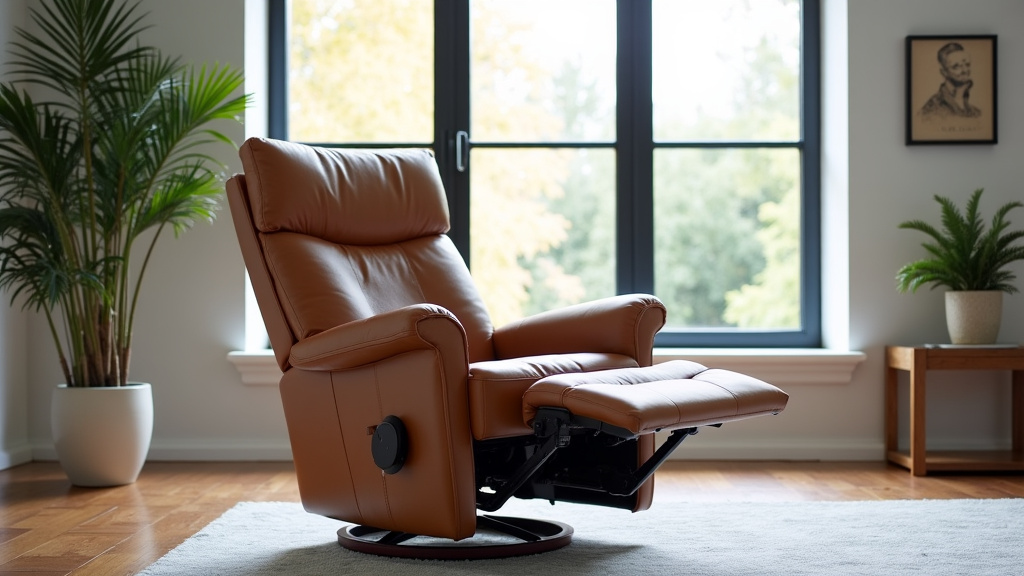
Measure the area where you plan to place the recliner. Then, check the recliner’s dimensions, both in its upright and fully reclined positions. Remember to account for the space needed to operate the reclining mechanism.
For a wall-hugger, you’ll need less space behind it. For a standard recliner, you’ll need several inches of clearance. Also, consider the doorways and hallways the recliner will need to pass through to get into your home and room. Measure those too!
Testing and Reviews: Hear from Others
Reading reviews from other shoppers can provide valuable insights. We found that real-world experiences can tell you a lot about a recliner’s comfort and durability over time.
Look for reviews that mention long-term use. Do people report issues after a year or two? How easy is the chair to assemble? Are there any common complaints about the mechanism or upholstery?
Whenever possible, try before you buy. Sit in the recliner for at least a few minutes. Recline it fully and then bring it back up. Does it operate smoothly? Does it feel comfortable and supportive? We found that this hands-on test is often the best indicator of a good fit.
Recliner Checklist: Your Quick Guide
Here’s a quick recap to help you remember the most important things when choosing your recliner:
- Measure your space: Ensure it fits both upright and reclined.
- Test the mechanism: Manual or power, it should operate smoothly.
- Check the frame: Look for solid hardwood or plywood construction.
- Consider upholstery: Choose based on durability, comfort, and ease of cleaning.
- Evaluate support: Lumbar, headrest, and armrests should feel comfortable.
- Read reviews: See what other owners say about long-term satisfaction.
Conclusion
You’ve learned how to find the perfect recliner for your comfort and your home. Remember to consider your personal needs and how you’ll use the chair most. Always check the frame quality and upholstery for lasting comfort. Don’t forget to measure your space carefully, both for the recliner itself and for how it moves. Taking these steps will help you choose a chair that you’ll love for years to come.
Your next step? Start measuring your space and thinking about which features will best suit your lifestyle. Happy recliner hunting!
Frequently Asked Questions
How do I know if a recliner is the right size for me?
Sit in the chair and check if your feet rest comfortably on the floor when not reclined. When reclined, your head should be fully supported by the headrest. Look for manufacturer sizing like “petite,” “standard,” or “big and tall” to match your body type.
What’s the difference between manual and power recliners, and which is better?
Manual recliners use a lever or button you push, requiring some effort. Power recliners use a motor for effortless reclining with the press of a button. The “better” choice depends on your preference for ease of use and budget; power is often easier for those with mobility issues.
Is it important to check the frame construction of a recliner?
Yes, absolutely. A sturdy frame made from kiln-dried hardwood or furniture-grade plywood ensures durability and prevents wobbling or breaking over time. Avoid recliners with frames made from particleboard or soft woods.
What upholstery material is best for a recliner with pets or kids?
For homes with pets or children, durable and easy-to-clean fabrics like polyester blends or microfiber are excellent choices. They resist stains and wear better than natural fibers like cotton. Genuine leather is also easy to wipe clean, but faux leather quality can vary.
Can I put a recliner very close to a wall?
Yes, if you choose a “wall-hugger” or “space-saver” recliner. These are specifically designed to require less space behind them to fully recline, making them ideal for smaller rooms or placing near a wall. Standard recliners need several inches of clearance.