What Is a Reclining Chair Called? The Basics
On this page (3 sections)
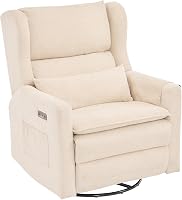
A reclining chair is most commonly called a recliner, or sometimes a lounge chair. You might also hear them referred to as a rocker recliner if they can rock back and forth, or a wall-hugger if designed to save space. They are designed for relaxation and offer adjustable backrests and footrests for your comfort.
Finding the right name can depend on the chair’s specific features. Whether it’s a manual pull-lever model or an electric push-button wonder, the core function is to let you lean back and put your feet up. Many shoppers look for these chairs to enhance their home To understand how these chairs operate, our guide to the parts of a recliner explains the components.comfort and relaxation.
- Recliners are chairs that let you lean back.
- They often have a footrest that pops up.
- Common types include rocker recliners and wall-huggers.
- The main goal is to provide maximum comfort.
Now, let’s dive into the different types and what makes a good recliner for your home.
Understanding Your Reclining Chair Options
When you’re looking for that perfect spot to unwind, you’ll find a wide variety of chairs designed to help you do just that. The most common name you’ll hear is a recliner. It’s a straightforward term for a chair that lets you lean back. But what else might you call these comfortable pieces of furniture? You might also hear them referred to as a lounge chair. This term can sometimes refer to simpler chairs that recline, not always with the footrest feature. We found that the name often depends on the chair’s specific design and mechanism.
The Popularity of the Recliner
Recliners have become incredibly popular in homes across the country. Why is that? Well, they offer a simple way to relax after a long day. You can kick back, put your feet up, and just let go. Many people find them essential for watching TV, reading a book, or even taking a nap. They’re like your personal escape pod for comfort.
Beyond the Basic Recliner: Types and Features
While “recliner” is the catch-all term, there are specific types that cater to different needs and spaces. Understanding these distinctions can help you choose the best one for your home. We’ll break down some of the most common variations you’ll encounter.
Rocker Recliners: The Gentle Swinger
One of the most traditional types is the rocker recliner. As the name suggests, this chair combines the action of a rocking chair with the reclining function. You get that soothing back-and-forth motion, perfect for calming down or for parents trying to soothe a baby. We found that many people love the dual comfort of rocking and reclining. It’s like getting two chairs in one, but you only need the space for one.
Wall-Hugger Recliners: Space-Saving Solutions
Do you have a smaller living room? Or maybe you just want to place your chair closer to a wall? That’s where the wall-hugger, or wall-saver, recliner comes in handy. These clever chairs are designed to move forward as they recline. This means you don’t need a lot of space behind the chair. We found that research from furniture design experts shows they can save up to six inches of space compared to traditional recliners (Furniture Today). This makes them ideal for apartments or cozy dens. You get all the comfort without sacrificing precious floor space.
Glider Recliners: Smooth Operators
Similar to rocker recliners, glider recliners also offer a motion feature. However, instead of rocking on a curved base, gliders move back and forth on a smooth, sliding track. This creates a more fluid and gentle motion. Many parents find gliders particularly soothing for feeding or comforting a child. We observed that this smooth action can feel more controlled and less jarring than a traditional rock. It’s a subtle difference, but one that many users appreciate.
Swivel Recliners: Full Range of Motion
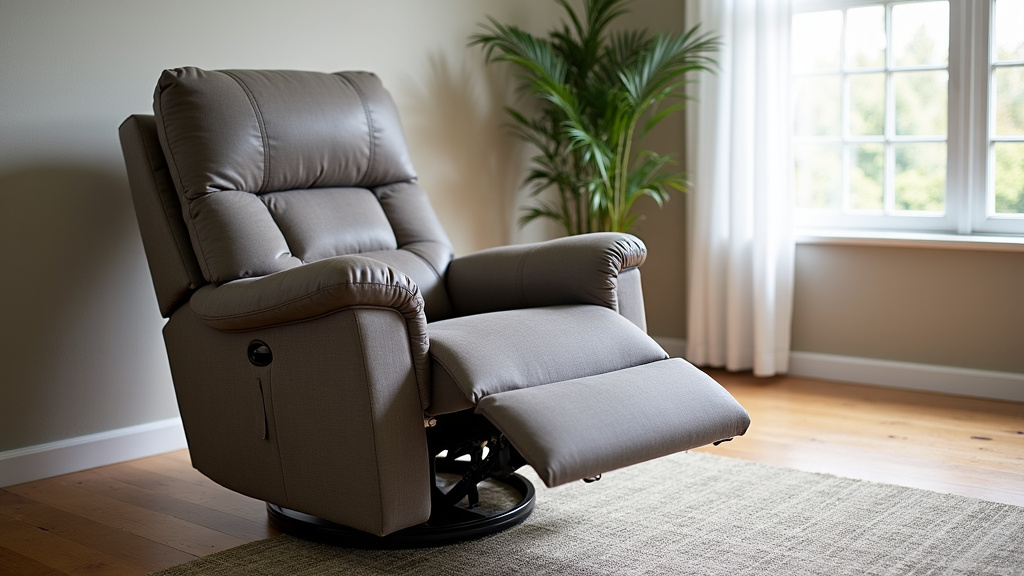
Want to turn and face the conversation or pivot to the TV without moving your whole chair? A swivel recliner allows you to rotate 360 degrees. Combine this with the reclining function, and you have a chair that offers incredible versatility. We found that this type of chair is great for open-plan living areas. You can easily adjust your position to engage with different parts of the room. It’s like having a personal rotating command center for your relaxation.
Lift Chairs: Assistance for Mobility
For those who might need a little extra help getting up and down, there are lift chairs. These chairs are essentially recliners with a motorized lifting mechanism. They gently push you forward and upward to a standing position. We found that many medical and home healthcare professionals recommend lift chairs for individuals with mobility issues (American Physical Therapy Association). They offer independence and make it easier to transition in and out of the chair. While they are recliners, their primary function is to assist with standing.
Manual vs. Powered Recliners: How Do You Recline?
The way a recliner operates is another key differentiator. You’ll typically find two main types: manual and powered. Each has its own set of advantages.
Manual Recliners: The Classic Pull-Lever
Manual recliners usually operate with a lever on the side or a push-button mechanism. You give the lever a good tug, and it releases the footrest and allows you to lean back. To return to the upright position, you simply push the footrest back down with your legs and lean forward. We found that these are often more affordable and don’t require electricity. They’re a solid, dependable choice for many households.
Power Recliners: Push-Button Ease
Power recliners, also known as electric recliners, use a motor to recline the chair and extend the footrest. You simply press a button or a series of buttons. Many power recliners offer multiple positions, allowing for infinite adjustments. Some even come with built-in USB ports or massage features. We discovered that this type of chair is incredibly convenient, especially for those who have difficulty with manual operation. It’s the ultimate in effortless relaxation.
The Importance of a Good Footrest
A defining feature of most recliners is the integrated or attached footrest. This part is critical for full relaxation. When you lean back, the footrest should extend to support your legs and feet. This elevation can improve circulation and provide superior comfort. We found that proper footrest support is often highlighted in ergonomic studies (Journal of Applied Ergonomics) as being vital for reducing fatigue in the lower limbs. When you’re looking at chairs, ensure the footrest extends sufficiently for your leg length.
Choosing the Right Name for Your Comfort
So, what do you call that cozy chair? It could be a recliner, a lounge chair, a rocker recliner, a wall-hugger, or a lift chair. The best name often depends on its unique features. The core idea, however, remains the same: a chair designed for your ultimate comfort and relaxation. When you’re shopping, don’t get too hung up on the name. Focus on how it feels, how it functions, and how it fits into your space.
Here’s a quick rundown to help you identify your ideal chair:
- Looking for a rocking motion with recline? Try a rocker recliner.
- Limited on space? A wall-hugger is your best bet.
- Need help standing up? A lift chair offers assistance.
- Prefer simple operation? A manual recliner is a classic choice.
- Want effortless adjustments? A power recliner is the way to go.
- Just want a comfortable chair to lean back in? Any recliner will do!
Conclusion
You’ve learned that the name for a reclining chair often depends on its unique features. Whether you call it a recliner, lounge chair, rocker recliner, or wall-hugger, the core purpose is the same: to help you relax. We’ve seen how different designs like gliders, swivel chairs, and lift chairs offer specific benefits. Understanding these variations, from manual to power operation and the importance of a good footrest, can help you make the best choice. Your next step is to think about what features matter most for your comfort and start looking for the chair that perfectly fits your needs and space.
Frequently Asked Questions
What’s the difference between a rocker recliner and a glider recliner?
A rocker recliner has a curved base that allows it to rock back and forth. A glider recliner moves on a smooth track, providing a more fluid, linear motion. Both offer a soothing movement in addition to reclining.
Are wall-hugger recliners really good for small spaces?
Yes, wall-hugger recliners are specifically designed to save space. They tilt forward as they recline, meaning you can place them much closer to a wall than traditional recliners. This clever design is ideal for apartments or smaller rooms.
Do lift chairs only recline, or do they have other functions?
Lift chairs are primarily recliners with an added motorized mechanism. This mechanism gently lifts the chair forward and upward to help you stand. They offer the comfort of a recliner with essential assistance for mobility.
Is a manual recliner harder to operate than a power recliner?
Manual recliners typically use a lever or handle to recline, which requires some physical effort. Power recliners use electric motors operated by buttons, making them effortless to adjust. If you have limited strength, a power recliner might be more suitable.
Can a lounge chair also be called a recliner?
Sometimes, yes. The term lounge chair can be broader and may include simpler chairs that recline without a full footrest mechanism. However, many chairs commonly referred to as lounge chairs are indeed recliners designed for ultimate relaxation.