How to Tell If a Recliner Is Well Made: A Practical Guide
On this page (3 sections)
You can tell if a recliner is well made by checking its frame construction, the quality of the upholstery, and the smoothness of the reclining mechanism. A solid, heavy frame is a good indicator of recliner quality, while high-density foam and sturdy stitching suggest a recliner built to last. Test the recline lever or button to ensure it operates without sticking or excessive noise.
When investing in a recliner, you want a piece of furniture that offers both comfort and longevity. We found that paying attention to the underlying construction materials and how the parts work together can prevent future headaches. Many experts say that a well-made recliner isn’t just about plush cushions; it’s about the engineering and materials that support your relaxation for years to come. Think of it as building a strong foundation for your comfort.
TL;DR:
- Check the recliner’s frame for solid wood or metal.
- Inspect the upholstery for durable fabric and neat stitching.
- Test the reclining mechanism for smooth operation.
- Look for high-density foam for lasting comfort.
- A heavier chair often means better construction.
Ready to find a recliner that feels as good as it looks and lasts? Let’s walk through exactly what to look for, step by step.
Choosing a Recliner Built to Last: What to Inspect
Picking a recliner feels personal, doesn’t it? You want something cozy that feels great now and keeps feeling great. We found that a few key checks can make all the difference. Looking closely at the construction tells you a lot about its lifespan. It’s like checking the bones of the chair before you settle in for a long Netflix binge.
The Foundation: Understanding Frame Construction
The frame is the skeleton of your recliner. A sturdy frame means a chair that won’t wobble or break down quickly. This is where many experts say you should focus your attention first.
Solid Wood vs. Engineered Wood
When looking at wood frames, solid hardwood is generally the best choice. Think oak, maple, or ash. These woods are dense and strong. They hold screws well and can support significant weight over time. You’ll often feel the difference; solid wood chairs tend to be heavier.
Engineered wood, like plywood or particleboard, can be acceptable, but quality varies greatly. High-quality, multi-layered plywood can be quite durable. However, particleboard or MDF (medium-density fiberboard) are less ideal for stress points. We found that frames made primarily of these materials might not hold up as well to frequent use or heavier individuals. For another wood preparation detail, see our guide to kiln dried wood in furniture.
Metal Frames: A Strong Alternative
Some recliners use all-metal frames. These can be very robust, especially if they are welded rather than just bolted together. Metal frames are excellent for supporting the reclining mechanism. They offer great stability and durability. If you see visible welds, it’s often a good sign of strong construction. However, ensure the metal isn’t too thin, as that could bend over time.
How to Inspect the Frame
It can be tricky to see the entire frame, especially in a finished chair. However, some manufacturers provide access. Look for exposed wood joints. Are they glued and screwed? That’s a good sign. If you can lift the chair, does it feel solid and heavy? A chair that feels lightweight might have a less substantial frame. Try to gently rock the chair. Any creaking or wobbling suggests potential issues with the frame’s integrity.
The Comfort Layer: Upholstery and Cushioning Quality
Beyond the frame, the materials that make your recliner comfortable and attractive play a big role in its quality. This includes the fabric and the padding inside.
Choosing Durable Upholstery Fabrics
The fabric you choose matters for both feel and wear. For everyday use, consider fabrics rated for high durability.
- Leather: High-quality top-grain or full-grain leather is very durable and can last for decades. It’s also easy to clean. Be wary of “genuine leather” or bonded leather, which are lower grades.
- Microfiber: This synthetic fabric is soft, durable, and resists stains well. It’s a popular choice for families.
- Polyester Blends: These can be quite strong, especially when tightly woven. Look for fabrics with high rub counts (e.g., Wyzenbeek or Martindale tests), which indicate resistance to wear.
When inspecting the fabric, look for even stitching. Are the seams straight and tight? Loose threads or uneven stitching can be an early sign of poor craftsmanship that might unravel over time.
Understanding Cushion Fill: Foam Density Matters
The seat and back cushions are key to comfort. The foam used inside is critical for longevity. Lower-density foam can flatten out quickly. We found that high-density foam is your best bet for a recliner that keeps its shape and support. Many furniture makers use a foam core wrapped in polyester fiber for added softness and to prevent the foam from showing through. This is a good combination.
How can you check this? If possible, press down firmly on the seat cushion. Does it feel springy and supportive, or does it sink completely and feel mushy? A chair that feels too soft right away might not hold up. Some high-quality recliners might even offer different firmness levels for the cushions.
The Movement: Assessing the Reclining Mechanism
The magic of a recliner is its ability to recline. The mechanism needs to be smooth, sturdy, and easy to operate. See our lay flat recliner guide for more detail. This is where you’ll often see the biggest difference between a cheap recliner and a well-made one.
Manual vs. Power Recliners
Manual recliners usually have a lever or a hidden pull handle. These should operate smoothly without a lot of force. If the lever feels stiff or sticky, it might be a sign of a poorly made mechanism or one that’s already starting to wear. Test it by moving it through all its positions. Does it lock securely in place?
Power recliners use electric motors. These should operate smoothly and quietly. Listen for any grinding or straining noises. The buttons or remote should respond instantly. We found that higher-end power recliners often have quieter motors and a smoother range of motion. Check the warranty on the motor and electrical components, as these can be costly to repair.
What Makes a Mechanism Robust?
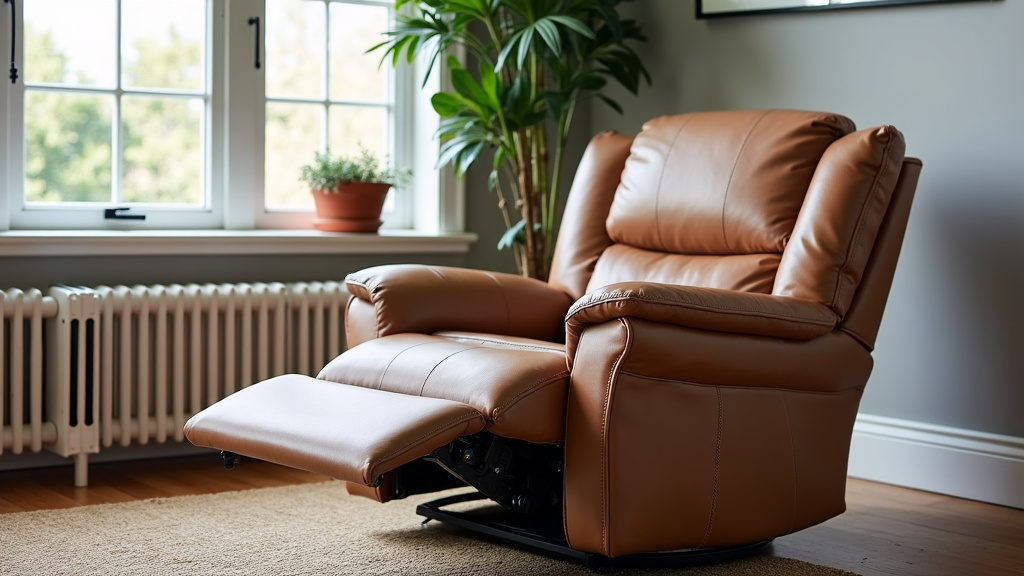
Look for steel components in the reclining mechanism. It should be well-lubricated and free from rust or sharp edges. The tracks and joints should move without binding. A mechanism that feels solid and stable during operation is usually a sign of good engineering. If you can see any part of the mechanism, check that it’s securely attached to the frame. Loose attachments can lead to early failure.
Putting It All Together: A Quick Checklist
Here’s a simple checklist to help you evaluate a recliner on the spot. Think of it as your quick quality assessment:
- Frame Feel: Does the chair feel heavy and solid? Gently try to rock it.
- Upholstery Stitching: Are the seams neat, straight, and tight? No loose threads?
- Mechanism Smoothness: Does the recline lever or button operate easily and quietly?
- Cushion Support: Does the seat cushion offer firm, springy support, not mushy give?
- Overall Stability: When fully reclined, does the chair feel stable, not wobbly?
Weight and Build: The Heavier, The Better?
Generally speaking, a heavier recliner often indicates better construction. Manufacturers use more robust materials for the frame and mechanism in heavier chairs. Think of it like a solid, well-built car versus a flimsy one; the weight often translates to durability. Of course, this isn’t a hard and fast rule, but it’s a good indicator when combined with other checks.
When you’re physically in the store, or even if you’re looking at detailed online descriptions, try to get a sense of the chair’s overall solidity. A recliner is an investment in your comfort. Taking a few extra moments to inspect these key areas can help ensure you choose a piece that will serve you well for years to come.
Conclusion
You’ve learned how to spot a well-made recliner by checking its frame, upholstery, and mechanism. A solid wood or metal frame, durable fabric like leather or microfiber, and high-density foam cushions are signs of quality. Always test the reclining action for smoothness and stability. Remember, a heavier chair often means better materials. Trust these practical checks to find a recliner that offers lasting comfort and support. Take your time, do these inspections, and you’ll be well on your way to choosing a recliner you can relax in for years to come.
Frequently Asked Questions
How can I tell if a recliner frame is made of solid wood?
Solid hardwood frames feel heavier and more stable. Look for visible joints that are glued and screwed together. If you can lift the chair, a substantial weight usually indicates solid wood construction, which is more durable than particleboard or MDF.
What is the best type of upholstery fabric for a recliner that will see a lot of use?
For high-traffic recliners, consider high-quality leather (top-grain or full-grain), durable microfiber, or tightly woven polyester blends. These fabrics generally offer good resistance to wear and tear and are easier to maintain.
Is it important to check the foam density in recliner cushions?
Yes, foam density is very important for lasting comfort. High-density foam will hold its shape and provide consistent support over time. Lower-density foam can flatten out quickly, making the recliner feel less supportive and comfortable.
What should I listen for when testing a power recliner mechanism?
A well-made power recliner mechanism should operate smoothly and quietly. Listen for any grinding, straining, or loud noises. The motors should respond instantly to the buttons or remote control without hesitation.
Should I be concerned if a recliner feels lightweight?
Generally, yes. A lightweight recliner might indicate the use of less robust materials in its frame and construction. While not always a definitive sign, a chair that feels solid and has a noticeable weight is often built with more durable components.