What Makes a Recliner Good Quality? A Straight Answer
On this page (8 sections)
A good quality recliner is built with a sturdy frame, smooth reclining mechanism, and durable upholstery. You want to feel a solid foundation when you sit down, and the chair should operate easily without any sticking or grinding. These are the core elements that tell you a recliner is built to last and provide comfort for years to come. We found that ignoring these basics often leads to disappointment.
Beyond the main components, look for details like well-stitched seams and comfortable padding. Many experts say that the quality of the internal workings, like the springs and metal parts, is just as important as what you can see. A recliner that feels well-constructed will likely be a better investment for your home. It’s about more than just how it looks; it’s about how it performs.
- Frame Strength: A robust frame prevents wobbling.
- Mechanism Smoothness: Easy operation means less wear and tear.
- Upholstery Durability: Quality fabric or leather withstands daily use.
- Padding Comfort: Good cushioning supports your body.
- Stitch Quality: Clean, tight seams indicate careful manufacturing.
Let’s break down what to look for, piece by piece, so you can choose a recliner you’ll love sitting in.
Building a Better Recliner: What to Look For
You’re looking for a recliner that feels solid, works smoothly, and lasts. It’s not just about plush cushioning; it’s about the engineering underneath. We found that understanding the core components can help you make a much smarter choice. Think of it like buying a car: you want to know the engine is good, not just that it has a nice paint job.
The Foundation: What’s Underneath the Upholstery?
The frame is the backbone of your recliner. A sturdy frame means it won’t wobble or creak when you settle in. This is where the magic (or the disaster) begins.
Frame Materials: Wood vs. Metal
Many good quality recliners use a combination of hardwood and furniture-grade plywood for their frames. Hardwood, like oak or maple, offers excellent strength. Plywood adds stability and prevents warping. We found that frames made entirely of particleboard or plastic are generally less durable. They might feel okay at first, but they often don’t hold up over time.
Metal frames can also be very strong, especially in mechanisms or as reinforcements. However, a solid wood frame often provides a warmer, more robust feel. It’s like the difference between a well-built wooden chair and a flimsy metal one. The experts agree: a well-constructed frame is essential for longevity (Consumer Reports).
Joinery and Construction: How It’s Put Together
How the frame pieces are joined matters just as much as the material. Look for frames that use glue and screws, or mortise-and-tenon joints. These methods create strong, lasting connections. Staples alone are a sign of lower quality construction. We found that recliners with reinforced corner blocks also tend to be more stable and resist sagging over time.
The Moving Parts: How Smooth is the Recline?
The reclining mechanism is the heart of your recliner. It’s what allows you to kick back and relax. A smooth, quiet operation is a key indicator of quality.
Mechanism Types: Manual vs. Power
Manual recliners typically use a lever or a push-back system. Power recliners use electric motors. Both can be high quality, but the motors and electrical components in power recliners add another layer to consider. We found that higher-end power recliners often have quieter motors and smoother transitions between positions.
Material and Design of the Mechanism
The metal parts within the mechanism should feel substantial. Look for thick gauge steel that isn’t flimsy. The joints should move freely without binding or sticking. Many experts say that the quality of the springs and gears is critical. Cheap, thin metal can bend or break, leading to a stiff or broken recliner. We found that brands that offer extended warranties on their mechanisms often have more confidence in their build quality.
Test the mechanism several times. Does it feel jerky? Does it make grinding noises? A well-made mechanism will glide smoothly, allowing you to find your perfect angle with ease. Think of it like a well-oiled door hinge versus one that squeaks and scrapes. You want that smooth glide.
The Comfort Layer: Padding and Support
Beyond the frame and mechanism, the padding determines how comfortable your recliner truly is. A good recliner fit also depends on how the chair supports your body. This is what you feel directly.
Foam Density and Quality
Good quality recliners use high-density foam. This type of foam provides better support and bounces back after you stand up. Cheaper recliners might use lower-density foam that compresses quickly. We found that foam that feels too soft or “mushy” often indicates lower quality. It might feel comfortable initially, but it won’t offer sustained support.
Look for details about the foam used. Some manufacturers specify high-resiliency foam, which is a good sign. This type of foam is designed to maintain its shape and support for longer periods. You want a recliner that feels supportive, not like you’re sinking into a marshmallow that will never let you up.
Springs for Support
Underneath the foam, you’ll often find springs that add to the support and comfort. High-quality recliners might use individually wrapped pocket coils, similar to those found in good mattresses. These offer excellent, zoned support and prevent motion transfer. Other good options include sinuous springs, which are strong and provide even support.
Avoid recliners that feel like you can easily reach the frame underneath the cushions. This usually means the spring system is weak or poorly installed. We found that a well-designed spring system works in tandem with the foam to provide a cradling, supportive feel. It should feel like the chair is supporting you, not the other way around.
The Outer Shell: Upholstery and Stitching
The fabric or leather is what you see and touch. Its quality impacts both the look and the durability of your recliner.
Upholstery Materials: Fabric vs. Leather
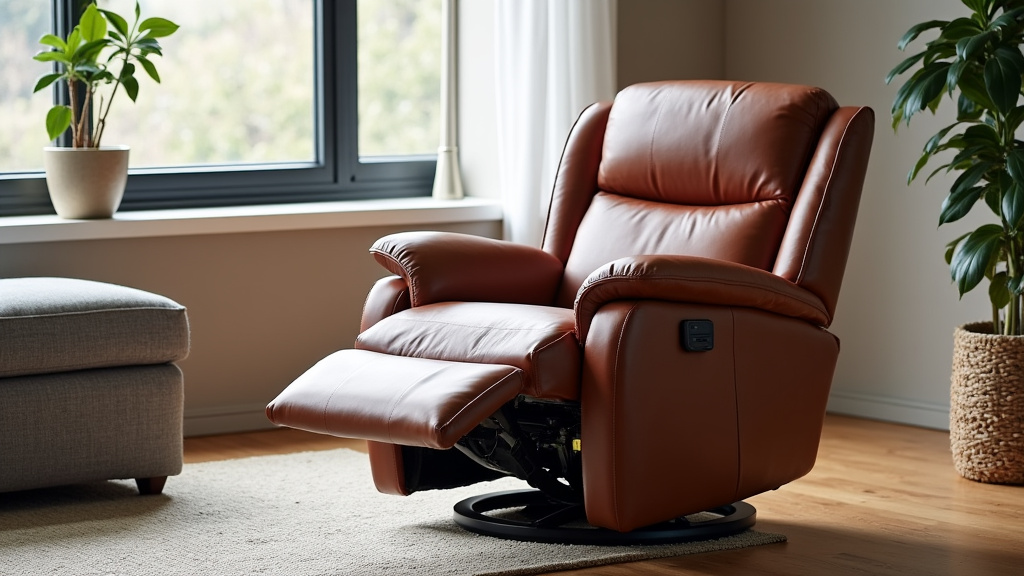
For fabric, look for tightly woven materials like high-performance polyester, chenille, or durable microfiber. These materials tend to resist stains and wear better. Avoid loosely woven fabrics, which can snag or pull easily. We found that performance fabrics are often treated to resist spills and fading, making them a practical choice for busy households.
If you’re considering leather, full-grain or top-grain leather is the most durable. These types of leather have a natural feel and develop a beautiful patina over time. Bonded leather is a less expensive option but is generally not as durable and can peel or crack. Many experts suggest looking for rub counts (e.g., Martindale or Wyzenbeek) for fabrics; higher numbers indicate greater durability (FabricLink).
Stitching and Seams: The Details Matter
Examine the stitching closely. Are the seams straight and even? Are there any loose threads or skipped stitches? Well-executed stitching is a sign of careful manufacturing. We found that double-stitching in high-stress areas, like where the armrests meet the back, adds significant strength.
The way the upholstery is attached also matters. Look for smooth, tight seams without puckering or bunching. This indicates that the fabric has been cut and fitted precisely. It’s like a well-tailored suit versus one that’s poorly made – the attention to detail makes a big difference in how it looks and lasts.
Putting It All Together: A Quick Checklist
To help you remember the key points when shopping, keep this checklist handy:
- Frame Check: Does the recliner feel solid? Does it wobble when you push on it?
- Mechanism Test: Does the recline operate smoothly and quietly?
- Padding Feel: Does the foam feel supportive, not too soft or too firm?
- Upholstery Inspection: Are the seams neat? Does the fabric or leather look and feel durable?
- Warranty Review: Does the manufacturer offer a good warranty, especially on the frame and mechanism?
Conclusion
Choosing a quality recliner boils down to looking past the plush exterior. You’ve learned that a sturdy frame, smooth-operating mechanism, and durable upholstery are non-negotiables. Pay attention to the details like solid joinery and high-density foam. These elements tell a story of a chair built for lasting comfort and reliability. When you invest time in checking these core components, you’re investing in years of relaxation. Take this knowledge with you to the showroom or when browsing online, and you’ll be well-equipped to find a recliner that truly delivers.
Frequently Asked Questions
How can I tell if a recliner’s frame is strong enough?
Gently push and pull on the recliner’s frame when it’s not reclined. A strong frame will feel solid and won’t wobble or creak. Look for frames made of hardwood and furniture-grade plywood, or those with metal reinforcements.
What’s the difference between a manual and a power recliner’s quality?
Both can be high quality. Manual recliners depend on the sturdiness of their metal mechanisms. Power recliners add electric motors, so look for quiet, smooth motor operation and a reliable electrical system.
Is high-density foam really that important for comfort?
Yes, high-density foam offers better, more consistent support. It feels firmer initially but prevents you from sinking too deeply. It also tends to last longer without getting flat, unlike lower-density foam.
What kind of upholstery materials are best for a recliner?
For durability, look for tightly woven fabrics like performance polyester or microfiber, or consider top-grain or full-grain leather. These materials resist wear, stains, and fading better than loosely woven fabrics or bonded leather.
Should I worry about the stitching on a recliner?
Absolutely. Well-done stitching indicates careful manufacturing. Look for straight, even seams without loose threads. Double-stitching in high-stress areas also suggests a stronger, more durable construction.