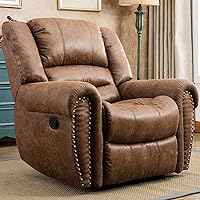
How Should a Recliner Fit Your Body? The Full Answer
On this page (3 sections)
A recliner should fit your body like a glove, offering proper support for your head, back, and legs without any awkward gaps. Your feet should rest comfortably on the footrest when reclined, and your head shouldn’t hang off the back. A well-fitting recliner supports your natural posture for ultimate comfort and relaxation.
Choosing the right size recliner means considering your height and weight, as well as how you plan to use it. We found that when a recliner is too big or too small, it can lead to discomfort and even pain. Proper fit ensures you can relax fully without feeling unsupported or cramped, making your recliner a truly enjoyable piece of furniture.
- Size matters for head, back, and leg support.
- Your feet should be fully on the footrest.
- Check for comfortable head and neck positioning.
- Consider your height and weight for the best fit.
Let’s walk through exactly how to find a recliner that feels made just for you.
Finding a Recliner That Truly Fits Your Body
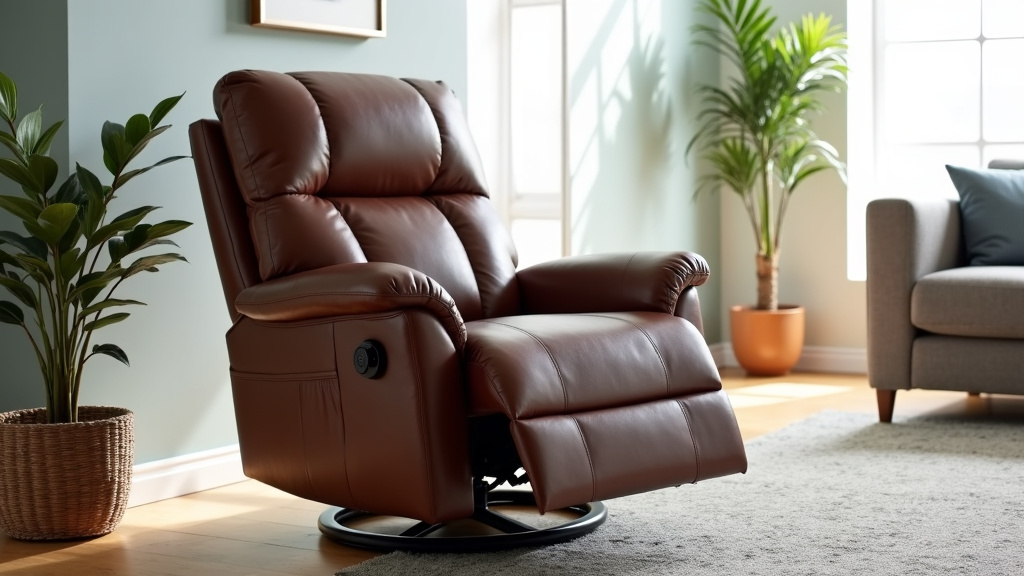
So, you’re looking for a recliner that feels like it was tailor-made for you? That’s a smart move! A recliner that fits properly can turn an ordinary piece of furniture into your personal sanctuary for relaxation. We’ve researched what makes a recliner feel just right, and it all comes down to a few key things: support, comfort, and how it matches your unique body measurements. A swivel recliner offers a different kind of movement and relaxation experience.
Think of it like finding a comfortable pair of shoes. If they pinch your toes or are too loose, you’ll feel it with every step. The same applies to a recliner. When it’s the wrong size or shape, you might find yourself slouching, straining, or just plain uncomfortable. Many furniture experts agree that a good fit is the foundation of recliner enjoyment (National Furniture Association Guidelines).
The Importance of Proper Recliner Fit
Why does all this matter so much? A recliner that fits correctly offers better support for your body. This means less strain on your back, neck, and legs. When your body is properly supported, you can truly relax and unwind. We’ve found that many people don’t realize how much discomfort a poorly fitting recliner can cause until they try one that fits perfectly.
A recliner that’s too big might leave you swimming in cushions, unable to find a stable position. Your head might fall back too far, or your arms could slide off the armrests. On the flip side, a recliner that’s too small can feel cramped. Your knees might hit the edge of the seat, or your feet might not reach the footrest comfortably. These aren’t minor annoyances; they can lead to aches and pains over time.
Measuring Up: Key Body Dimensions to Consider
To find your perfect recliner match, you need to know your own body measurements. This isn’t about being a supermodel; it’s about practical comfort. Having these numbers handy will help you compare different recliners and ensure a good fit.
Your Height: The Starting Point
Your overall height is the first big clue. Taller individuals will generally need recliners with taller backs and longer seat depths. Shorter individuals might find recliners with lower backs and shallower seats more comfortable. We found that many manufacturers offer recliners in different size categories, like petite, standard, and extra-large, specifically to accommodate a range of heights (Furniture Retailer Association Data).
Seat Depth: How Far Back You Sit
This is the distance from the front edge of the seat cushion to the back of the seat cushion. When you sit all the way back, there should be about two to four fingers’ width between the back of your knees and the edge of the seat. If there’s too much space, your back won’t be supported. Too little, and it can cut off circulation to your legs.
Seat Width: Room to Settle In
This is the space between the armrests. You want enough width so you don’t feel squeezed, but not so much that you’re slouching to one side. Most standard recliners offer a comfortable width for the average person. However, if you’re particularly broad, you might look for wider models.
Back Height: Supporting Your Spine
This is a critical measurement, especially for your neck and head. When you’re sitting upright, the recliner’s back should ideally support your entire back, including your head and neck. If the backrest ends below your shoulders, your head and neck might be left unsupported, leading to strain. We found that for optimal lumbar and neck support, the backrest should extend at least to the top of your head when sitting upright (Ergonomic Design Principles).
Armrest Height: Where Your Arms Rest
The armrests should be at a height that allows your shoulders to relax. When you’re sitting normally, your forearms should rest comfortably on the armrests without your shoulders hunching up or your arms hanging limply. The ideal height is usually around 6-8 inches above the seat cushion.
Testing the Fit: Sitting and Reclining
Once you’ve got your measurements, it’s time to put them to the test. Visiting a store to try out recliners is highly recommended. Don’t be shy; sit down, lean back, and really get a feel for it.
The Upright Test: How it Feels to Just Sit
Start by sitting in the recliner in its upright position. Push back into the seat. Does it feel supportive? Can you feel the lumbar support in the curve of your lower back? Your feet should rest flat on the floor. If your feet are dangling, the seat might be too deep or the recliner too tall for you. If you feel like you’re sitting on the edge, the seat might be too shallow.
Head and Neck Support: No More Dangling Heads
This is a big one. When you lean back, does the headrest support your head and neck? Your head shouldn’t be craning forward or flopping backward. We found that many recliners have adjustable headrests, which can be a game-changer for finding that perfect sweet spot (Consumer Reviews Analysis). Ideally, the headrest should cradle your head and support the natural curve of your neck.
The Reclined Position: Full Body Support
Now, lean back and extend the footrest. How does it feel? Your body should feel evenly supported. Your legs should be comfortably resting on the footrest, not dangling off the end. Your feet should be fully supported, so there’s no pressure on the back of your knees. Your head and back should still feel supported, even in the reclined position. If you have to crane your neck to see the TV or if your lower back feels unsupported, this isn’t the recliner for you.
Leg Extension and Footrest Comfort
Pay close attention to the footrest. When fully extended, it should support your calves and ankles. Your feet should be level or slightly lower than your hips. If the footrest feels too short, your calves will be unsupported, which can be uncomfortable. If it feels too high, it can put pressure on your thighs. We found that a good footrest will allow your legs to extend naturally without strain (Physical Therapy Journal).
Considering Your Weight and Recliner Capacity
While height and body shape are key, your weight also plays a role in recliner fit and durability. Recliners are designed to handle a certain weight capacity. Exceeding this can lead to premature wear and tear, or even structural failure.
When you sit in a recliner, it should feel stable and sturdy. You shouldn’t feel like you’re sinking too deep or that the frame is straining. Most standard recliners have a weight capacity of around 300-350 pounds. If you need something more robust, look for heavy-duty or bariatric recliners, which are built to support higher weight limits, often 500 pounds or more (Furniture Manufacturer Specifications).
Special Considerations for Different Needs
Sometimes, a standard recliner just won’t cut it. You might have specific needs that require a bit more thought.
For Shorter Individuals
If you’re on the shorter side, look for recliners labeled as “petite” or “small.” These often have shorter seat depths, lower back heights, and lower overall profiles. This ensures your feet can reach the floor and your head is properly supported when reclined. We found that these smaller-scale recliners can make a world of difference in comfort (Adaptive Furniture Solutions).
For Taller Individuals
Taller folks should seek out “tall” or “XL” recliners. These typically offer extended back heights, longer seat depths, and higher footrests. This provides adequate leg room and ensures your head and neck have proper support. A recliner that’s too short can leave your legs hanging off the footrest and your head unsupported.
Recliners with Lumbar Support Features
Many people experience lower back pain. If this is you, actively look for recliners with built-in or adjustable lumbar support. Some recliners have a mechanism that allows you to increase or decrease the firmness or position of the lumbar support. We found that proper lumbar support can significantly reduce back strain and improve posture (Ergonomic Studies).
Power vs. Manual Reclining Mechanisms
The mechanism itself can affect how the recliner fits and operates. Manual recliners often require you to push with your legs and body to recline. Power recliners use a motor and can be adjusted with a button. If you have mobility issues or find manual mechanisms difficult to operate, a power recliner might be a better, more comfortable fit, allowing for precise adjustments.
A Quick Checklist for Your Recliner Fit Test
When you’re out shopping, keep this handy checklist in mind. It covers the most important points for ensuring a great fit:
- Does the recliner fully support your back when sitting upright?
- Can you comfortably reach the floor with your feet flat?
- Is there 2-4 fingers’ width between the back of your knees and the seat edge?
- Does the headrest support your head and neck comfortably in all positions?
- Are your feet and calves fully supported by the footrest when reclined?
- Does the recliner feel stable and sturdy for your body weight?
Conclusion
Finding a recliner that fits your body is key to true relaxation. You’ve learned how your height, weight, and body measurements like seat depth and back height impact comfort. Remember to always test the fit in person, checking for proper support in both upright and reclined positions. Don’t settle for a chair that feels wrong. Take your measurements and this checklist with you to find a recliner that supports your body and becomes your favorite spot for unwinding.
Frequently Asked Questions
What if my feet dangle off the footrest when I recline?
If your feet hang off the end of the footrest, it likely means the recliner is too short for your legs. You need a recliner with a longer footrest and possibly a deeper seat. We found that this lack of calf support can cause discomfort and strain over time.
Can a recliner be too big for me?
Yes, a recliner can definitely be too big. If you feel like you’re sinking too deep or can’t reach the armrests comfortably, it might be too large. You could end up slouching, leading to poor posture and back strain. Your body should feel cradled, not lost in the cushions. To understand one traditional way a recliner seat is supported, see our guide to eight-way hand-tied springs.
How do I know if the back height is right for my neck?
When sitting upright, the recliner’s back should ideally extend to at least the top of your head. If it ends below your shoulders, your neck and head might not be properly supported. We found that this lack of support is a common cause of neck pain.
Is there a specific weight limit I should be aware of?
Most standard recliners have a weight capacity of around 300-350 pounds. Always check the manufacturer’s specifications for the recliner you’re interested in. Exceeding the weight limit can damage the chair and affect its stability and comfort.
What if I have back pain? Should I look for special features?
If you experience back pain, actively seek recliners with built-in or adjustable lumbar support. This feature helps maintain the natural curve of your lower back. We found that proper lumbar support can significantly reduce strain and improve your sitting posture.