What Does Recliner Weight Capacity Mean?
On this page (5 sections)
Recliner weight capacity means the maximum weight a recliner is designed to safely support. It’s a safety feature to ensure the chair functions correctly and doesn’t break under too much strain. Ignoring this limit can lead to damage and potential injury.
Understanding this number is important for choosing a recliner that will last. It affects the chair’s durability and how well it performs over time. Many manufacturers specify this limit for your convenience and safety.
- Recliner weight capacity is the max weight it can hold safely.
- It’s a key factor for the chair’s longevity and proper function.
- Exceeding it can cause damage and safety issues.
- Always check the manufacturer’s stated limit.
Let’s walk through exactly what recliner weight capacity means and why it matters for your next purchase.
Understanding Your Recliner’s Weight Limit
So, what does that number plastered on a recliner’s tag really mean? Simply put, it’s the maximum amount of weight the chair is built to handle safely and effectively. Think of it like a scale’s limit; exceeding it just doesn’t end well. This limit isn’t arbitrary. Manufacturers test their recliners rigorously to determine a safe operating weight.
This specification is there for your safety and the longevity of the chair. It ensures the reclining mechanism, the frame, and all the supporting parts work together without undue stress. It’s a promise from the maker about how the chair should perform. When you stay within this weight, you’re helping the recliner do its job as intended. It’s all about responsible ownership and enjoying your furniture for years.
Why Manufacturers Set Weight Limits
Every recliner is a machine, and like any machine, it has operational boundaries. These limits are determined through engineering and testing. Designers consider the materials used, the strength of the joints, and the power of the reclining mechanism. They want to ensure the chair can withstand regular use without failing. It’s a balance between comfort, style, and structural integrity. They aim for a product that is both enjoyable and safe for the average user.
We found that manufacturers conduct stress tests on their frames and mechanisms. These tests simulate the forces applied during normal use, and also during more vigorous actions like sitting down quickly. The weight capacity is set well below the point where failure is likely to occur. This provides a good safety margin for everyday situations. It’s a commitment to delivering a reliable product.
The Engineering Behind the Limit
The frame of a recliner is typically constructed from wood, metal, or a combination of both. The strength of these materials, how they are joined, and the overall design all contribute to the weight capacity. Metal frames, for instance, are often stronger and can support higher weights than solid wood frames. However, the quality of the wood and joinery also plays a huge role. Even the type of screws and glue used can impact its durability.
The reclining mechanism itself is a complex system of levers, gears, and motors (in power recliners). These components are designed to move smoothly and reliably. Pushing too much weight through these parts can cause them to bend, break, or become misaligned. We found that the mechanism is often the most vulnerable part when a recliner is overloaded. Its smooth operation depends on consistent, predictable forces.
Safety Standards and Testing
While there aren’t always universal government mandates for recliner weight capacity, reputable manufacturers follow industry best practices. These often involve testing to standards set by organizations like ASTM International. They might test for static load (how much weight it can hold when stationary) and dynamic load (how much weight it can handle during movement). This ensures the chair is robust enough for real-world use.
Many sources, including consumer safety guides, recommend looking for manufacturers who openly state their weight limits. This transparency indicates a commitment to product quality and user safety. You can often find this information on the product tag, in the owner’s manual, or on the manufacturer’s website. It’s a key piece of information for making an informed decision about your purchase. Checking these details is a smart move for any shopper.
How Recliner Weight Capacity Affects Your Choice
Choosing a recliner isn’t just about color and comfort. The weight capacity is a fundamental consideration, especially if you have larger family members or guests. It directly impacts which models you should even consider. Ignoring it could mean buying a chair that won’t last, or worse, is unsafe.
We always advise shoppers to think about the intended users of the recliner. Will it be used primarily by one person, or will different family members and guests use it? Consider the weight of everyone who might sit in it. It’s better to err on the side of caution and select a chair with a higher weight capacity than you might think you need.
Matching the Chair to the User
Most standard recliners have a weight capacity of around 250 to 300 pounds. This is a common range for many everyday recliners. However, many manufacturers offer heavy-duty or oversized models designed for greater support. These can often have weight capacities of 400, 500, or even 700 pounds.
If you or someone in your household weighs more than 250 pounds, you should definitely look for recliners specifically advertised as heavy-duty. Trying to use a standard recliner with someone who exceeds its limit is asking for trouble. It’s like trying to fit too many items into a small suitcase; something is bound to break.
What About Multiple Users?
Consider the possibility of two people sitting in the recliner, even if it’s not designed for it. While not recommended, it happens. A recliner with a 300-pound capacity might not be suitable if there’s a chance someone weighing 200 pounds and someone weighing 150 pounds might both squeeze in. The combined weight of 350 pounds would far exceed the limit.
It’s wise to calculate the heaviest potential occupant and add a buffer. For instance, if the heaviest person is 280 pounds, a 300-pound capacity chair might be cutting it too close for long-term durability. Opting for a recliner with a 350-pound or 400-pound capacity would offer peace of mind and better protect the chair. We found that this proactive approach saves headaches later.
The Consequences of Exceeding the Limit
What happens when the weight limit is breached? Several things could go wrong, none of them good. The most immediate concern is damage to the reclining mechanism. The levers might bend, gears could strip, or springs could snap. This can render the reclining function useless.
The frame itself is also at risk. A stressed frame can develop cracks or break entirely. This is particularly dangerous, as it could lead to the chair collapsing. We’ve heard stories of frames giving out unexpectedly. Besides mechanical failure, you might notice uneven wear or sagging cushions sooner than expected. The overall structure is compromised.
Potential for Injury
Beyond damage to the furniture, exceeding the weight capacity poses a real risk of injury. If the chair breaks suddenly, the person sitting in it could fall or be struck by a collapsing part. This could result in bruises, sprains, or more serious injuries. Safety should always be the top priority when choosing any piece of furniture.
Manufacturers set these limits for a reason. They are not suggestions; they are guidelines for safe operation. We believe it’s essential to respect them. When you see that weight capacity, treat it as a firm boundary. It’s the manufacturer’s way of saying, “This is how much we guarantee it can handle safely.”
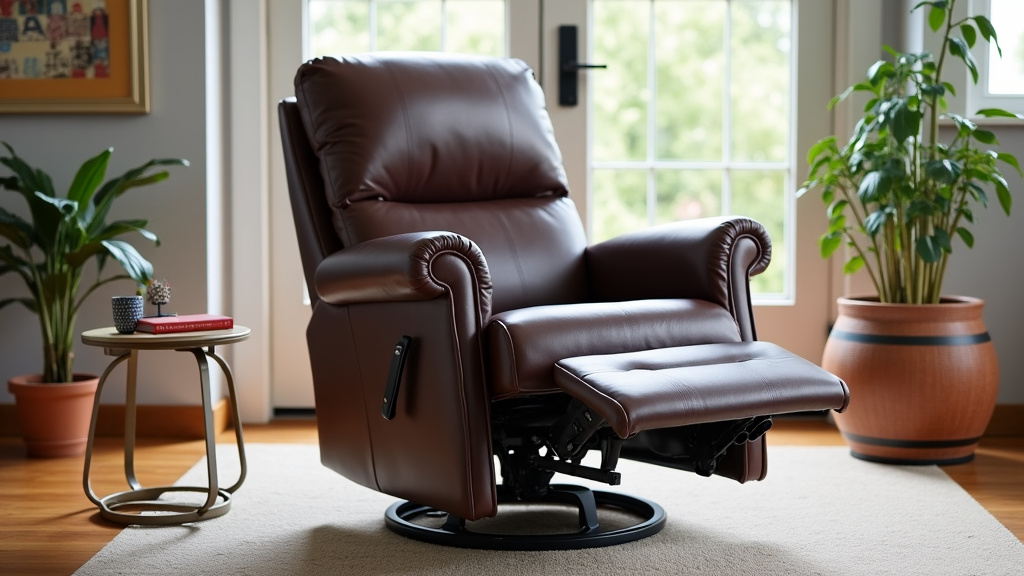
Finding and Verifying Recliner Weight Capacity
So, how do you actually find this important number? It’s usually quite straightforward if you know where to look. Most manufacturers want you to know this information because it helps you make the right purchase and avoids customer service issues down the line.
Always start by checking the product description. This is often listed online or on the tag attached to the chair in a showroom. Look for terms like “weight capacity,” “maximum user weight,” or “supports up to.” If you’re shopping online, this information is almost always in the specifications or details section of the product page.
Where to Look for the Information
When you’re in a store, don’t hesitate to ask a sales associate for the recliner’s weight limit. They should have access to this information. If you’re buying online, carefully read the product details. Sometimes it’s in a bulleted list, other times it’s in a paragraph under “Specifications” or “Details.” We found that it’s usually very prominent.
Check the manufacturer’s website directly. If you know the model name or number, you can often find detailed specifications there. Some recliners also come with an owner’s manual. This manual will typically include the weight capacity and instructions for care and maintenance. It’s like a little instruction book for your chair.
What If It’s Not Listed?
This can happen, especially with older or less common brands. If the weight capacity isn’t readily available, it’s a red flag. It might mean the manufacturer hasn’t rigorously tested it or isn’t transparent about its capabilities. In such cases, we would advise caution. It might be best to look for a different model or brand that clearly states its specifications.
You could also try contacting the manufacturer’s customer service directly. They should be able to provide you with the information you need. If you’re buying from a retailer, they might be able to contact the manufacturer on your behalf. However, if this information is hard to come by, it might be a sign to reconsider that particular chair. Transparency is key.
A Quick Checklist for Recliner Buyers
Before you make your final decision, run through this quick checklist to ensure you’re getting a recliner that’s right for you:
- Have you identified the heaviest potential user?
- Is the recliner’s stated weight capacity at least 25-50 pounds higher than that user’s weight?
- Did you find the weight capacity listed clearly in the product description or specifications?
- If unsure, did you contact the retailer or manufacturer for confirmation?
- Does the chair appear to be built with sturdy materials?
- Are you comfortable with the overall build quality for the intended use?
Conclusion
Understanding recliner weight capacity is essential for a safe and lasting purchase. We’ve seen it’s more than just a number; it’s a promise of durability and function. By considering the heaviest potential user and choosing a chair with a capacity well above their weight, you ensure your recliner’s longevity. Always look for this information before buying. It’s a simple step that prevents damage and potential injury, allowing you to fully enjoy your comfortable new seat for years to come.
Frequently Asked Questions
What is the average weight capacity for a standard recliner?
Most standard recliners are designed to safely support between 250 and 300 pounds. This range covers the needs of many everyday users. However, it’s always best to check the specific product details for exact specifications.
Can I exceed the weight capacity occasionally without causing damage?
While occasional minor overloads might not cause immediate catastrophic failure, it’s not recommended. Repeatedly exceeding the limit can strain the frame and mechanism, leading to premature wear and eventual breakage. It’s best to stay within the manufacturer’s stated limits for safety and longevity.
Do power recliners have different weight capacities than manual recliners?
Generally, power and manual recliners can have similar weight capacities. The motor in a power recliner is engineered to handle the chair’s intended load. What matters most is the overall construction of the frame and mechanism, regardless of whether it’s manually or electrically operated.
What should I do if I can’t find the weight capacity for a recliner I want to buy?
If the weight capacity isn’t clearly listed in the product description or specifications, we advise caution. It’s a good idea to contact the retailer or manufacturer directly for this information. If they can’t provide it, it might be best to consider a different model from a more transparent brand.
How does a recliner’s warranty relate to its weight capacity?
Many manufacturer warranties are voided if the recliner is damaged due to exceeding its weight capacity. Always read the warranty details carefully. Using the chair within its specified limits helps ensure that any potential defects are covered by the warranty.


