What to Look for in a Recliner for a Heavy Person
On this page (9 sections)
- Choosing a Sturdy Recliner Built for Support
- Understanding Weight Capacity: More Than Just a Number
- The Foundation: What the Frame is Made Of
- The Reclining Mechanism: The Heart of the Action
- Size and Dimensions: Does it Fit YOU?
- Padding and Upholstery: Comfort That Lasts
- What to Look for: A Quick Checklist
- Conclusion
- Frequently Asked Questions
When looking for a recliner for a heavy person, you need to prioritize durability and sturdy construction. Ensure the recliner has a higher weight capacity than you need, typically at least 300-500 pounds, and check for a robust frame made of hardwood or reinforced steel. The mechanism should also be heavy-duty to handle frequent use without strain.
Finding the right recliner means considering more than just recliner weight capacity. You’ll want to look at the overall size of the chair for comfort and adequate support. Features like reinforced footrests and a well-padded back and seat are also important for long-term comfort and preventing wear and tear. Many experts suggest checking reviews from other larger individuals to gauge real-world performance.
- Look for a high weight capacity (300-500+ lbs).
- Prioritize sturdy frame materials like hardwood or steel.
- Check for a heavy-duty reclining mechanism.
- Consider overall chair size for proper fit.
- Look for extra padding and reinforced footrests.
Let’s break down the key features to look for, so you can find a recliner that’s both comfortable and built to last.
Choosing a Sturdy Recliner Built for Support
Finding a recliner that feels just right can be a challenge. You want something comfortable, supportive, and built to last. For individuals who need a bit more room or simply want extra durability, the key is to focus on specific construction elements. We’ve found that prioritizing certain features can make all the difference in your search. Let’s dive into what makes a recliner a good fit for larger body types. For ultimate comfort and support, consider what is a zero gravity recliner and its potential benefits for larger individuals.
Understanding Weight Capacity: More Than Just a Number
When you’re shopping for a recliner, the stated weight capacity is your first stop. It’s not just about avoiding a broken chair; it’s about ensuring consistent comfort and longevity. You don’t want a chair that groans under pressure or shows wear quickly.
How Much Capacity Do You Really Need?
Many standard recliners are designed for average weights, often around 200-250 pounds. For someone needing extra support, looking for chairs with a minimum 300-pound capacity is a good starting point. However, we found that aiming even higher, perhaps 400 or 500 pounds, offers a much greater sense of security and durability. Think of it like buying a sturdy ladder; you want one rated for more than you think you’ll need for safety and peace of mind.
What ‘Heavy Duty’ Really Means in Recliner Terms
A recliner labeled “heavy-duty” or “XL” often signals it’s built with stronger components. This means looking at the frame, the reclining mechanism, and the overall build. These chairs are typically designed from the ground up to handle more stress and strain, ensuring they perform reliably over time.
The Foundation: What the Frame is Made Of
The frame is the backbone of any recliner. For a chair that needs to support more weight, the material and construction of the frame are absolutely critical. A weak frame can lead to instability and premature damage. What you want is a frame that’s built like a tank.
Hardwood vs. Engineered Wood vs. Metal
When checking the frame, you’ll often see hardwood, engineered wood, or sometimes metal components. Solid hardwood, like oak or maple, is generally considered the most robust and durable option for recliner frames. It’s strong and less likely to warp or break under pressure. Engineered wood can be decent, but look for models that specify reinforced areas or thicker panels. Metal frames, especially steel, can also offer excellent strength, but it’s important to ensure the entire construction is well-put-together and not just a few bolted-on metal parts.
Reinforced Joints and Construction
Beyond the primary material, pay attention to how the frame is assembled. Look for chairs with reinforced joints, such as glued and screwed corners, or mortise-and-tenon joints. These construction methods create a stronger, more stable unit that can better withstand the demands placed upon it. We found that manufacturers who take extra care in joining the frame pieces often produce more durable furniture overall.
The Reclining Mechanism: The Heart of the Action
The mechanism is what allows your recliner to do its magic, transforming from an upright seat to a cozy lounge. For larger individuals, this mechanism needs to be especially tough and smooth-operating.
Heavy-Duty Steel Mechanisms
Most recliners use a steel mechanism, but not all steel is created equal. Look for descriptions that mention heavy-gauge steel or reinforced linkages. These are designed to handle more force without bending or breaking. A well-built mechanism will operate smoothly, without creaking or sticking, even with regular use.
How to Test the Mechanism
If possible, try out the recliner in person. Push the levers or buttons a few times. Does it feel sturdy? Does it move with ease, or does it feel like you’re fighting it? A mechanism that requires excessive force to operate might indicate it’s not built for heavier use or could be a sign of poor quality. We’ve seen that a smooth, effortless motion is a good indicator of a well-engineered mechanism.
Manual vs. Power Recliners
Both manual and power recliners can be suitable. A push-back recliner is one manual option to consider. Manual mechanisms often have fewer complex parts, which can sometimes mean less to go wrong. However, some power mechanisms are built with heavy-duty motors and robust components that can be very reliable. If you opt for a power recliner, ensure the motor is strong enough to lift and recline smoothly without strain. Many experts suggest that for power models, looking at brands known for their durable electronics is a wise move.
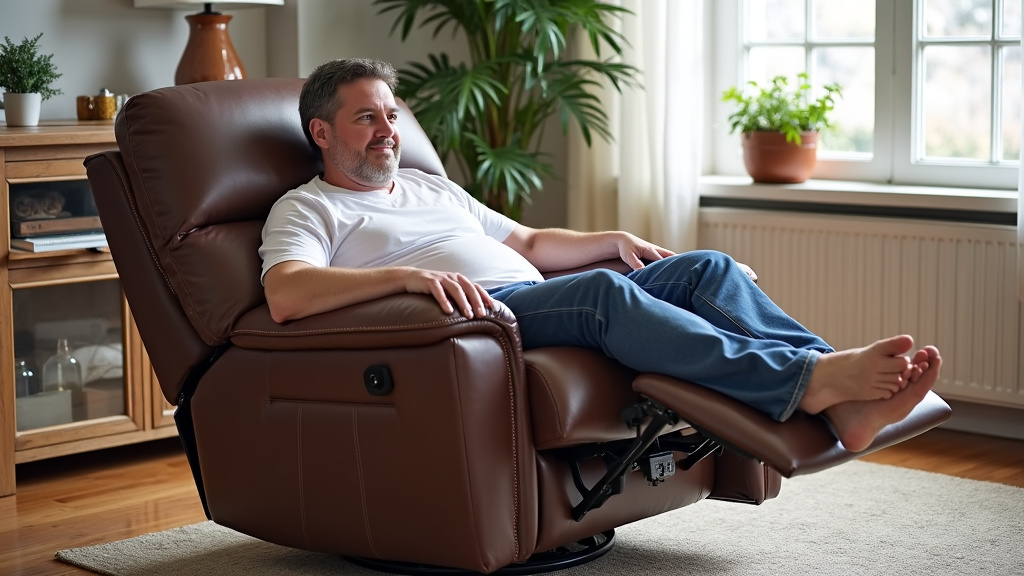
Size and Dimensions: Does it Fit YOU?
Comfort isn’t just about weight capacity; it’s also about the chair fitting your body. A recliner that’s too small can be uncomfortable and put undue stress on its components. You need ample space to sit, relax, and recline without feeling cramped.
Seat Depth and Width
For adequate support and comfort, look for wider seats and deeper seat depths. This allows you to sit back fully without your legs hanging off the edge or feeling squeezed. Many manufacturers offer “XL” or “extended” sizes that provide more generous dimensions. We found that measuring your own comfortable sitting space at home can help you compare it to the recliner’s dimensions online.
Back Height and Lumbar Support
The height of the backrest is important for head and neck support. If you’re taller, you’ll want a recliner with a high back that can support your head and shoulders comfortably. Also, pay attention to lumbar support. Good lower back support is essential for preventing aches and pains. Some recliners offer adjustable lumbar support, which can be a great feature. We’ve heard from many users that proper lumbar cushioning makes a significant difference in long-term comfort.
Armrest Comfort and Placement
The armrests should be at a comfortable height for you to rest your arms. They should also be sturdy enough to help you push yourself up if needed. Some recliners have plush, padded armrests, while others are firmer. Consider which you find more comfortable and supportive.
Padding and Upholstery: Comfort That Lasts
Beyond the frame and mechanism, the padding and upholstery play a big role in both comfort and how well the recliner holds up over time. You want materials that feel good and can withstand daily use.
Foam Density and Quality
The type and density of the foam used in the seat and back cushions are key. Higher-density foams will retain their shape and provide support for longer periods. Lower-density foam can compress quickly, leading to a sunken feeling and less support. Many furniture experts recommend looking for high-resiliency (HR) foam, as it offers a good balance of comfort and durability. We found that descriptions mentioning “multi-layer” or “high-density” foam are often a good sign.
Reinforced Footrest
The footrest mechanism is often put under significant strain. Look for recliners with The footrest mechanism is often put under significant strain; learn about the parts of a recliner to ensure it’s built to last.reinforced footrests and sturdy support legs. Some models are specifically designed with a wider, more robust footrest area to handle heavier individuals. Testing how stable the footrest feels when extended is a good idea.
Durable Upholstery Choices
For upholstery, consider materials known for their durability and ease of cleaning. Leather or high-quality microfiber often hold up well to frequent use and are easier to clean than some fabrics. If you choose fabric, look for tightly woven materials that are less prone to snagging or tearing. Many guidelines suggest that performance fabrics can offer excellent resistance to wear and tear (Good Housekeeping).
What to Look for: A Quick Checklist
Here’s a quick rundown of the most important things to keep in mind as you shop:
- Weight Capacity: Aim for at least 300-500 lbs, or higher if available.
- Frame Material: Prioritize solid hardwood or reinforced steel.
- Mechanism: Ensure it’s described as heavy-duty or reinforced steel.
- Size: Look for wider seats, deeper cushions, and a high backrest.
- Padding: Opt for high-density foam for lasting comfort and support.
- Upholstery: Choose durable materials like leather or strong microfiber.
Conclusion
Finding the right recliner that supports your needs is about looking beyond the surface. You’ve learned that a high weight capacity, a robust frame, and a heavy-duty mechanism are your foundational elements. Paying attention to the chair’s overall size and quality of padding ensures lasting comfort. Don’t rush the process; consider these factors carefully. Your next step is to start comparing models, keeping this checklist in mind, to find a recliner that truly fits you and provides reliable comfort for years to come.
Frequently Asked Questions
How do I know if a recliner’s frame is truly strong?
Look for descriptions mentioning solid hardwood or reinforced steel for the frame. We’ve found that manufacturers who detail reinforced joints, like glued and screwed corners, are often building for greater durability. A sturdy frame is the backbone of a supportive recliner.
Are power recliners as durable as manual ones for heavier individuals?
Both can be durable, but it depends on the build. For power recliners, ensure the motor is described as heavy-duty and designed for robust performance. Manual mechanisms often have fewer parts, but a well-engineered power system can be very reliable if built with stronger components.
What’s the difference between standard and XL recliners in terms of construction?
XL or extended size recliners are typically built with a wider base, a sturdier frame, and a stronger mechanism to handle more weight and stress. They often feature deeper seats and higher backs for better overall support and comfort for larger individuals.
Is it important to check the footrest separately?
Yes, the footrest mechanism can experience significant strain. We recommend looking for chairs with reinforced footrests and sturdy support legs. Testing its stability when extended can give you a good indication of its durability.
Can I rely on online reviews from other larger individuals?
Absolutely. Reading reviews from other customers who have similar body types or weight needs can provide real-world feedback. We’ve seen that these reviews often highlight how well a recliner holds up over time and its true comfort level for larger users.


