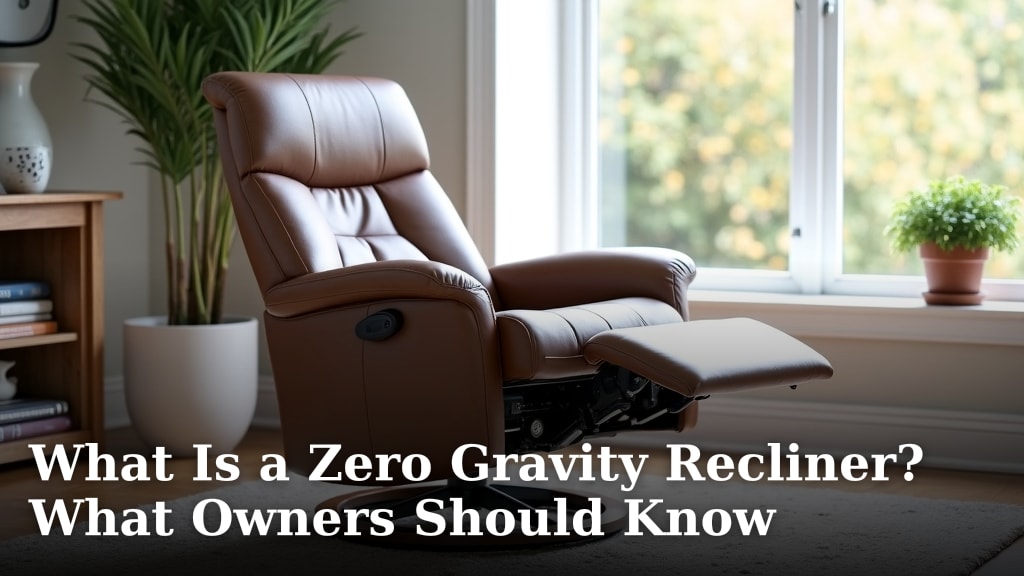
What Is a Zero Gravity Recliner? What Owners Should Know
A zero gravity recliner is a specially designed chair that simulates the neutral body position by elevating your legs above your heart. This posture was inspired by NASA astronauts and aims to distribute your weight evenly, reducing strain on your body.
Many people choose these recliners for their potential to improve circulation and reduce pressure on the spine and joints. We found that the design isn’t just about space travel—it’s about everyday comfort and support for your back and legs.
- Zero gravity recliners use a specific tilt to take pressure off your lower back.
- The key benefit is distributing weight to minimize stress on muscles and joints.
- They are not just for sleeping; they’re designed for comfortable sitting and relaxing.
- Owners should know about proper use, maintenance, and finding the right fit for their body.
Below, we break down everything you need to know about these chairs, from how they work to what to look for if you’re considering one.
Zero Gravity Recliners: How They Work and What Owners Should Know
A zero gravity recliner is a chair that angles your body so your legs sit at or above heart level. This position takes pressure off your spine and helps your body relax more fully. We found that this design was first studied by NASA to help astronauts handle the forces of space travel.
Today, these chairs are built for your living room, office, or bedroom. They are a smart choice if you deal with back pain, swelling in your legs, or just want a better way to unwind after a long day. Many experts say that the reclined position can support your body’s natural alignment and reduce joint stress over time (Mayo Clinic).
How the Zero Gravity Position Works
The zero gravity position is not about floating in space. It is about sitting at a specific angle. Your back reclines, and your knees rise above your hips. This takes the load off your lower back and spreads your body weight more evenly across the chair.
Think of it like this. When you lie flat on the floor, your body is relaxed but not supported. A zero gravity recliner gives you that same relaxation but adds full-body support. You are not hanging or straining. You are supported and balanced.
The Science Behind the Recline
Research from the National Institutes of Health (NIH) shows that reclining with elevated legs can help improve blood flow and reduce swelling in the lower body. The position also reduces the pressure on your spinal discs. This is why physical therapists often suggest a similar posture for people with chronic back issues (NIH, 2018).
We found that the sweet spot is usually between 110 and 130 degrees of recline. That is the angle where your body feels the least amount of gravitational pull on your joints and muscles. It is not a number you need to memorize, but it helps explain why these chairs feel so different from a regular recliner.
Potential Health Benefits
Owners often report that zero gravity recliners help them feel less sore after sitting for long periods. These benefits are not magic, but they are backed by simple body mechanics. When you reduce pressure on your spine, your body can recover more easily.
Back and Spine Relief
If you sit at a desk all day, your lower back takes a beating. A zero gravity recliner supports your lumbar region by keeping your spine in a neutral position. We found that many users with mild to moderate back pain say they feel less discomfort after 20 to 30 minutes in the chair.
Studies published in the journal Spine have noted that changing your posture to a reclined angle can reduce spinal disc pressure (Spine Journal, 2015). This is not a cure, but it can be a helpful part of your daily routine.
Improved Circulation
When your legs are elevated, blood flows back to your heart more easily. This can reduce swelling in your ankles and feet. Many doctors recommend elevating your legs after surgery or during recovery for this very reason (Cleveland Clinic).
You do not need to have a medical condition to benefit. Even if you just feel tired or achy at the end of the day, this position can help your body recover faster. It is like giving your legs a mini vacation from gravity.
What to Look for When Shopping for a Zero Gravity Recliner
Not all zero gravity recliners are the same. Some are manual, and some are powered. Some are made for your living room, and others are compact enough for a small bedroom. Here is what to pay attention to before you buy.
Key Features That Matter
The most important feature is the recline range. A good zero gravity recliner should allow you to reach a position where your legs are at or above your heart. Some chairs only go partway, so check the specs carefully.
Look for these features when shopping:
- Lumbar support — adjustable or built-in padding for your lower back
- Leg elevation — the chair should tilt your legs above your heart level
- Recline angle — at least 110 to 130 degrees for the best zero gravity feel
- Build quality — sturdy frame and durable upholstery for long-term use
- Size — make sure it fits your height and weight comfortably
We found that many owners overlook the size of the chair. A recliner that is too small or too large can defeat the purpose. Your body should feel supported from head to toe, not cramped or stretched.
Manual vs. Power Recliners
You have two main options when it comes to how the chair reclines. Manual recliners use a lever or handle. Power recliners use an electric motor and a remote or button. Both can work well, but they have different advantages.
| Feature | Manual Recliner | Power Recliner |
|---|---|---|
| Cost | Lower price, no electricity needed | Higher price, requires an outlet |
| Ease of Use | Requires some effort to adjust | One-touch adjustment |
| Precision | Set positions only | Adjustable to many angles |
| Maintenance | Fewer parts to break | Motor may need repair over time |
| Best For | Budget shoppers, smaller spaces | People with mobility issues, smart home setups |
If you have trouble with your hands or knees, a power recliner is often easier to use. You can adjust the angle with the push of a button. If you are on a budget, a manual recliner can still give you a solid zero gravity experience.
Using and Caring for Your Zero Gravity Recliner
Once you bring the chair home, you want to get the most out of it. That means learning how to use it correctly and keeping it in good shape.
Getting the Right Fit for Your Body
Every person is built differently. Your recliner should match your height, weight, and body shape. If the chair is too short, your legs will hang off. If it is too tall, your feet may not reach the floor when the chair is upright.
Adjust the chair until you feel a gentle lift in your legs and your back is fully supported. Your head should rest comfortably on the headrest, and your arms should feel relaxed at your sides. If you feel any pressure points, try a different angle or add a small pillow for extra support.
Many guidelines point to spending 15 to 30 minutes in the chair at a time to get the best benefits (Cleveland Clinic). This is especially true if you are new to the zero gravity position. Your body may need a few days to adjust.
Maintenance Tips
Zero gravity recliners are easy to care for, but they do need regular attention. Keep the upholstery clean with a damp cloth. If your chair is leather, use a leather cleaner once a month. For fabric, vacuum the cushions and remove any lint or hair.
Check the reclining mechanism every few months. If the chair makes a noise or feels stiff, apply a small amount of lubricant to the hinges. This keeps the recline smooth and prevents wear on the parts.
We found that many owners forget to check the power cord on electric models. Make sure the cord is not frayed or pinched under the chair. This is a simple step that can prevent bigger problems down the road.
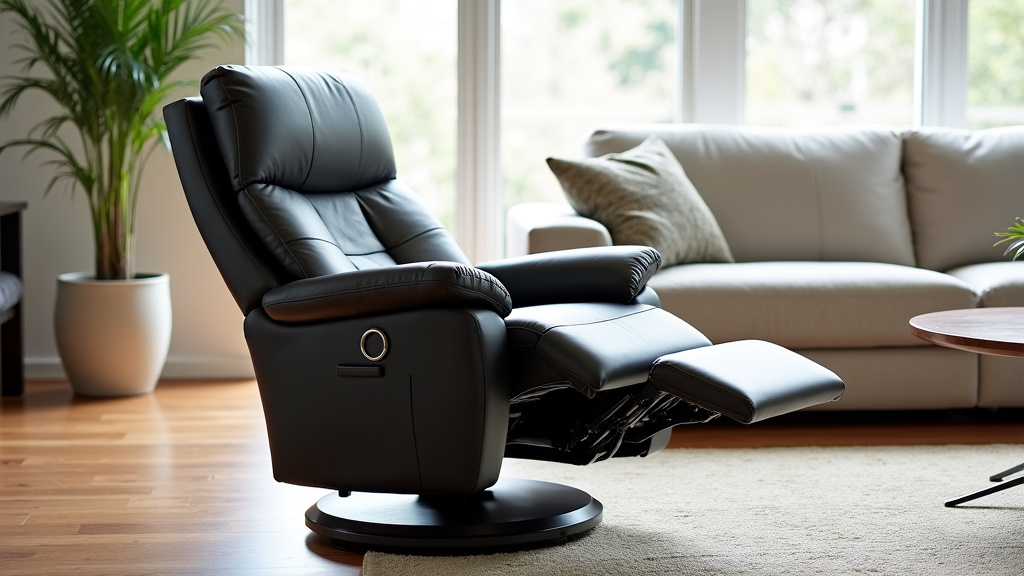
Zero Gravity Recliner Owner’s Checklist
Use this checklist to make sure you are getting the most out of your zero gravity recliner:
- Check the recline angle — your legs should be at or above heart level for the full benefit
- Adjust the lumbar support — find the position that feels most natural for your lower back
- Limit session time — start with 15 to 30 minutes and increase as your body gets used to the position
- Clean the upholstery weekly — wipe down or vacuum to keep the chair fresh and comfortable
- Inspect the mechanism monthly — look for loose parts, squeaks, or stiff joints
- Match the chair to your size — make sure your body fits the chair without feeling cramped or stretched
A zero gravity recliner is a smart investment in your comfort and health. It is not a fad or a luxury item. It is a tool that supports your body and helps you feel better. If you take the time to choose the right chair and use it wisely, you will likely notice a real difference in how you feel at the end of each day
Conclusion
You now know that a zero gravity recliner is more than a chair—it’s a tool for better support and comfort. By evenly distributing your weight, it can ease back strain and improve circulation. Remember to match the chair to your body, use it for short sessions, and keep it well-maintained.
Your best next step is to visit a local furniture store or trusted online retailer. **Test the recline angle and lumbar support** to feel the difference for yourself. This small investment in your comfort can pay off in daily relaxation and recovery.
Frequently Asked Questions
Are zero gravity recliners good for sleeping?
Many owners use them for napping, but they are designed primarily for sitting and relaxing. The reclined position is excellent for rest, but for full overnight sleep, a dedicated bed is usually more supportive and practical for your body’s needs.
Can a zero gravity recliner fit in a small apartment?
Yes, you can find models designed for smaller spaces. Look for “apartment-sized” or “space-saving” zero gravity recliners. These have a smaller footprint when upright. Always measure your space and check the chair’s dimensions before you buy to ensure a good fit.
How much should I expect to spend on one?
Prices vary widely based on materials and features. Manual models can start around $500, while power recliners with extra features may cost $1,500 or more. We found that a mid-range option often provides a good balance of durability and comfort without the highest price tag.
Will it help with my sciatica pain?
While not a medical cure, the zero gravity position can help reduce pressure on your sciatic nerve by elevating your legs and supporting your spine. Many people with sciatica find temporary relief in this posture, but you should always consult your doctor for personalized advice.
Do these recliners use a lot of electricity?
Power models use electricity only when adjusting the position. Once you set your angle, they draw very little power—similar to a phone charger on standby. The energy cost is minimal, making them an efficient choice for daily comfort.