What Size Recliner for a Tall Man? Facts and Figures
On this page (7 sections)
For tall men, choosing the right size recliner means looking for a higher backrest and deeper seat. You’ll want a recliner that supports your head and shoulders comfortably. A seat depth of 21 inches or more is generally a good starting point for taller individuals.
Finding a recliner that fits your body well is key to comfort and proper support. Taller frames often need more than standard dimensions. We found that many recliners are designed for average heights, so paying attention to specific measurements makes a big difference.
- Look for recliners with high backrests.
- Prioritize seat depth of 21 inches or more.
- Consider overall recliner height.
- Check the footrest extension.
Let’s walk through the key measurements and facts to help you find the perfect recliner that won’t leave your legs dangling or your head unsupported.
Finding the Right Recliner Size for Taller Men
When you’re tall, finding a recliner that fits feels like winning the lottery. Many recliners are made for average folks. You don’t want your head hanging off the top. Your feet shouldn’t dangle uncomfortably. We’ve researched what makes a recliner good for taller frames. It’s all about specific measurements.
Key Recliner Measurements for Tall Individuals
Let’s break down the essential parts of a recliner. Knowing these measurements will help you compare options. You’re looking for a chair that supports your entire body. This means paying attention to height and width details.
Backrest Height: Supporting Your Head and Shoulders
The backrest height is super important for tall people. A standard recliner might stop right at your shoulders. This leaves your neck unsupported. We found that taller individuals often need a backrest that is at least 30 inches tall. This measurement is from the seat cushion to the very top of the backrest. Some manufacturers list the overall height of the chair. Always look for the seat-to-top measurement if you can find it. A taller backrest means your head and neck will be cradled. This helps prevent slouching. It can also reduce neck pain over time.
Seat Depth: Avoiding the Dangling Legs Syndrome
Seat depth is another big factor. It’s the measurement from the front edge of the seat cushion to the back of the seat cushion where it meets the backrest. For most people, 18-20 inches is standard. Tall men need more. We suggest looking for a seat depth of 21 inches or more. Ideally, you want about 2-3 fingers’ width between the back of your knee and the edge of the seat. This ensures your thighs are fully supported. It prevents that awkward feeling of your legs not being long enough for the chair. Some recliners have a generous seat depth, which is a win for taller builds.
Seat Width: Enough Room to Stretch Out
While backrest and seat depth are critical, seat width matters too. You want enough space to sit comfortably. This is especially true if you like to shift your position. Standard seat widths can range from 19 to 22 inches. For taller men, a wider seat can add to the overall comfort. Look for seats that are 22 inches or wider. This gives you room to move. It prevents feeling cramped. Some recliners are designed with generous proportions. These are often the best bets for a truly comfortable experience.
Footrest Extension: Keeping Your Feet Off the Floor
When you recline, the footrest comes up. For tall people, the footrest needs to be long enough. It should extend far enough to support your calves and ankles. You don’t want your heels hanging off the end. Many recliners have footrests that extend 18-20 inches. For taller individuals, look for footrests that extend 20 inches or more. Some recliners have longer or dual-extended footrests. These can be excellent choices. They provide full leg support. Always check the recliner’s specs for footrest extension length.
Overall Recliner Height: Fitting Your Space
The overall height of the recliner is also worth considering. This measurement includes the entire chair from bottom to top. It’s important for fitting the chair into your room. Tall recliners can be quite imposing. Make sure the chair won’t block windows or feel too large for your space. We found that recliners with higher backrests will naturally have a greater overall height. This is a trade-off you often have to make for better support. Measure your space before you buy.
Understanding Recliner Types and Their Fit for Tall Men
Not all recliners are created equal. Different types offer different benefits. Some are better suited for taller builds than others.
Wall Hugger vs. Standard Recliners
Wall hugger recliners are designed to save space. They recline forward. This means they can be placed closer to a wall. While space-saving, they often have slightly shorter backrests. Standard recliners offer more traditional reclining action. They usually have more robust backrest and footrest options. For taller men, we often find that standard recliners offer better support. They tend to have longer dimensions overall.
Power vs. Manual Recliners
Manual recliners use a lever or handle. Power recliners use buttons or a remote. The mechanism doesn’t usually affect the size. However, we found that power recliners sometimes offer more adjustable positions. This can help you find a more comfortable recline. It might also have longer footrest extensions. The controls are also easy to use. This is helpful for anyone.
Rocker Recliners and Swivel Recliners
Rocker recliners offer a gentle rocking motion. Swivel recliners can turn in a full circle. Both can be great for comfort. However, the rocking or swivel mechanism can sometimes limit the overall dimensions. Taller people might find the backrests a bit shorter on some models. Always check the specific measurements. We found that many brands offer these styles in “big and tall” versions. These are usually the best choice. While rocker or swivel recliners can be comfortable, consider if these types offer adequate dimensions for your frame.
The “Big and Tall” Recliner Advantage
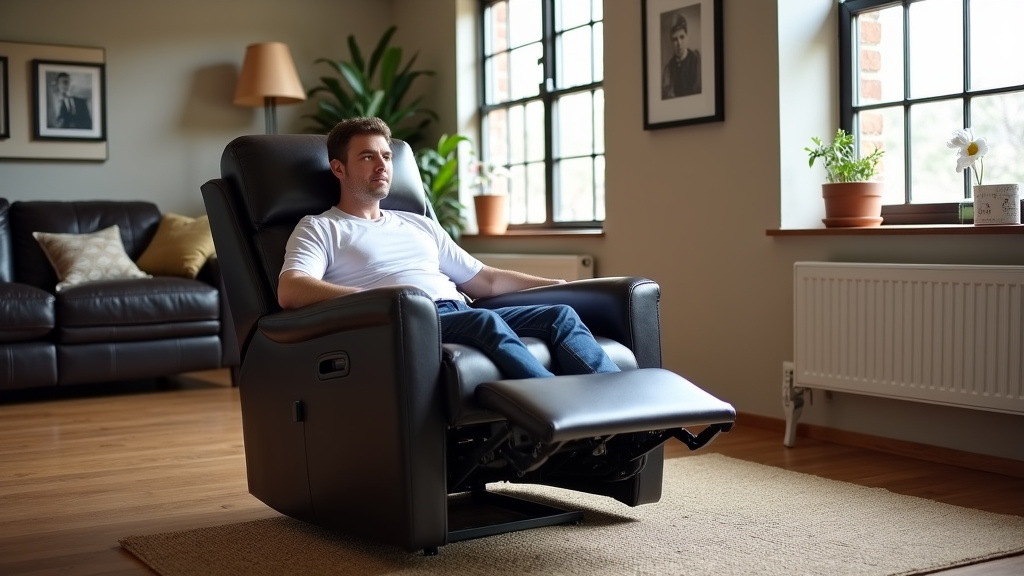
Many manufacturers now offer “big and tall” recliners. These are specifically designed for larger and taller individuals. They feature reinforced frames. They also have extended backrests and deeper seats. These are often the easiest way to guarantee a good fit. They take the guesswork out of measurements. If you’re over 6 feet tall, looking at this category first can save you a lot of time. You’ll find chairs with higher weight capacities too. This provides extra durability.
Tips for Testing and Buying Your Recliner
Before you buy, try to test the recliner in person. Sit in it. Recline fully. Does it feel supportive? Do your legs feel comfortable? Is your head properly supported? Many furniture stores allow you to test their recliners. If buying online, check return policies carefully. We found that reading customer reviews from other tall buyers can be very helpful. They often mention if a chair is good for longer legs or taller torsos.
What to Look For in Measurements
Here’s a quick checklist of the key measurements to hunt for:
- Backrest Height: 30 inches or more (seat to top)
- Seat Depth: 21 inches or more
- Seat Width: 22 inches or more
- Footrest Extension: 20 inches or more
- Overall Chair Dimensions: Ensure it fits your room.
- “Big and Tall” Label: Often a good indicator of proper sizing.
Finding the perfect recliner is a personal journey. But by focusing on these key measurements, you can significantly increase your chances of finding a chair that offers the comfort and support you deserve. It’s about finding a chair that fits you, not just a standard mold.
Conclusion
Finding the right recliner for your taller frame is all about looking beyond standard sizes. We’ve shown you that key measurements like backrest height, seat depth, and footrest extension make a big difference in comfort. Prioritizing these details, especially when looking at “big and tall” models, will help you avoid discomfort. Don’t settle for a chair that doesn’t support you properly. Your next step is to measure your current favorite chair or a comfortable spot, and use those numbers when shopping to find your perfect fit.
Frequently Asked Questions
What’s the biggest difference between a “big and tall” recliner and a standard one?
Big and tall recliners are specifically built with larger dimensions. This includes longer backrests and deeper seats to accommodate taller torsos and longer legs. They also often feature reinforced frames for extra durability.
How can I tell if a recliner’s footrest is long enough for me?
When the footrest is extended, your heels should not hang off the end. You want your calves and ankles to be fully supported. We recommend looking for a footrest extension of 20 inches or more for good leg comfort.
Is it better to buy a manual or power recliner if I’m tall?
The type of recliner, manual or power, doesn’t usually affect its size. However, power recliners sometimes offer more adjustable positions. This can help you find your ideal recline angle and may provide better footrest extension support.
Can I fit a tall recliner in a small room?
While tall recliners offer better support, their overall height can make them imposing. Measure your room carefully before buying. Consider how much space the recliner will take up when fully reclined.
What if I can’t try a recliner in person before buying?
If you’re buying online, thoroughly check the product dimensions and compare them to our recommended measurements. Also, look for detailed customer reviews from other tall buyers. Most importantly, check the return policy before making your purchase.


