Do You Need a Wall Hugger Recliner? What Matters Most
On this page (6 sections)
You might need a wall hugger recliner if you have a smaller living space. These recliners are designed to sit much closer to the wall. This saves you a lot of valuable floor space. They work by reclining forward instead of backward. This means you don’t need extra room behind the chair.
Choosing the right recliner is about balancing comfort with your room’s layout. A wall hugger design is a smart solution for many homes. It offers the relaxing recline you want without taking up too much space. We found that many shoppers are surprised by how much room these chairs can save. They let you enjoy a recliner even in cozy apartments or smaller dens. Consider your room size carefully.
- Wall hugger recliners save space.
- They recline forward, not backward.
- Ideal for smaller rooms and apartments.
- Offers comfort without sacrificing space.
Let’s walk through exactly what makes a wall hugger recliner right for you and what factors matter most when picking one. Let’s walk through exactly what makes a wall hugger recliner right for you and what the basic parts of a recliner are.
Is a Space-Saving Recliner the Right Choice for Your Home?
You’re looking for that perfect spot to unwind. A recliner just feels right. But your living room isn’t exactly palatial. This is where a wall hugger recliner can be a true hero. We’ve found that many people are surprised by how much floor space these chairs can save. They let you enjoy the full comfort of a recliner without feeling cramped.
The main idea behind a wall hugger is simple. It’s designed to sit very close to your wall. This is a big deal if you have a smaller apartment or a cozy den. You get the same relaxing recline. You just don’t need all that extra space behind the chair. Let’s dive into what really matters when you’re deciding if one of these is your next great furniture purchase.
How Wall Hugger Recliners Work Their Magic
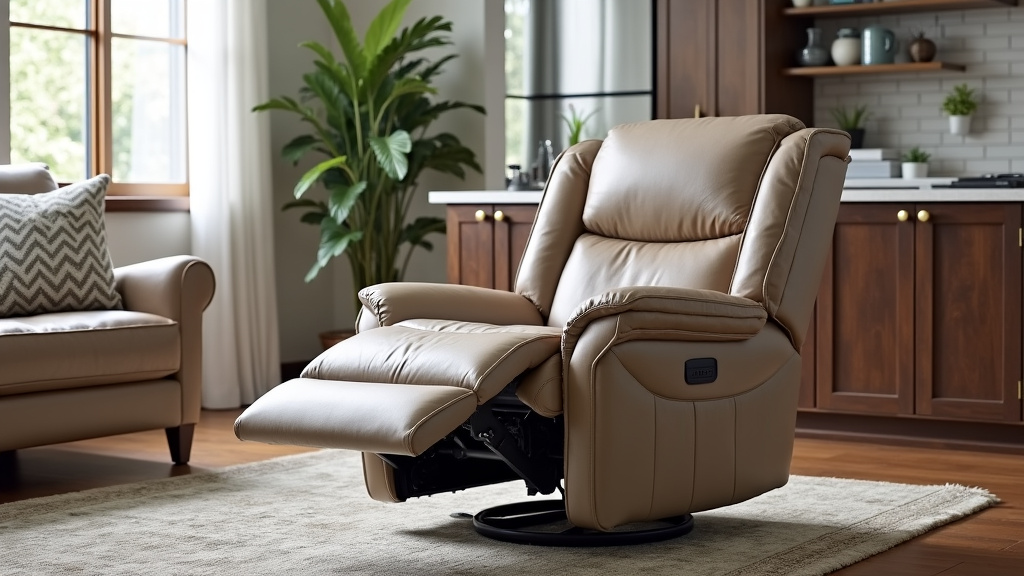
Have you ever pushed a regular recliner back from the wall? You know how much space that takes up. A wall hugger does something clever. Instead of tilting backward, its mechanism tilts the seat and back forward. This means the chair essentially moves over its base. It glides forward as it reclines. This is the core principle that saves so much room. You can often place them just a few inches from the wall. Some models only need about 2-4 inches of clearance.
The Mechanics: A Closer Look
Think of it like a sliding mechanism. The chair’s frame is built to slide forward on rails. This happens as you lean back. This forward motion is key. It ensures the back of the chair doesn’t hit the wall. We’ve found this design is a game-changer for smaller spaces. It unlocks the possibility of a recliner for more people. You aren’t sacrificing comfort for space.
What About the Reclining Positions?
Wall huggers typically offer multiple reclining positions. You can usually find options with two or three. Some models have a manual pull-handle or lever. Others use electric motors. You can stop at any point you like. You aren’t just locked into fully reclined or fully upright. This adjustability is great for finding your perfect comfort level. You can also still kick your feet up. Many have built-in footrests. These extend forward as part of the reclining action.
What Really Matters When Choosing a Wall Hugger
So, you’re thinking a wall hugger might be the answer. That’s great! But like any furniture purchase, there are a few things to consider. We’ve seen that focusing on a few key elements can make your decision much easier. It’s not just about saving space; it’s about finding a chair that fits your life.
Measure Your Space Accurately
This might sound obvious, but it’s the most important step. Before you even start looking, grab your tape measure. You need to know the exact dimensions of the spot where the recliner will go. Don’t just measure the width and depth. Think about how the chair will look when it’s fully reclined. Will the footrest hit a coffee table? Will it block a doorway or a walkway? Measure the distance from the wall to any furniture in front of it. This will tell you if the footrest will have enough room to extend. Remember to also measure any doorways or hallways the chair needs to fit through to get to its final spot.
Consider the Size of the Recliner Itself
Wall huggers come in different sizes. Some are quite compact, perfect for a tiny studio apartment. Others are larger, offering more generous seating. Think about the person who will be using it. Are they tall? Do they prefer a chair that really hugs them? Or do they need more legroom? We found that looking at the recliner’s dimensions when it’s not reclined is just as important as when it is. This is its footprint in its normal state.
Seating Width and Depth
Pay attention to the seat width. This is the space between the armrests. If you like to curl up or spread out, a wider seat might be better. Seat depth is also key. This is how far back the seat goes. If you have shorter legs, a shallower seat depth might prevent your feet from dangling uncomfortably. For taller individuals, a deeper seat can offer more support.
Overall Dimensions and Clearance Needs
Manufacturers usually list the recliner’s dimensions in both upright and fully reclined positions. They also often specify the minimum wall clearance needed. This is typically between 2 and 6 inches for wall huggers. Always double-check this. It’s the main feature that defines its space-saving ability. Make sure you have at least that much space. More is usually better if you can spare it. It gives the mechanism room to move freely.
Think About Comfort and Support
Saving space is one thing, but comfort is why you want a recliner, right? We’ve found that comfort is highly personal. What one person finds heavenly, another might find just okay. Try to test recliners in person if you can. Sit in them. Recline them. Does the back support your lumbar area? Is the headrest comfortable? Is the padding just right – not too firm, not too soft?
Lumbar Support and Cushioning
Many people benefit from chairs with good lumbar support. This is the lower back area. Some recliners have adjustable lumbar support. Others have built-in shaping. We’ve seen that cushioning varies greatly. Some chairs have plush, sink-in cushions. Others have firmer foam for more support. Consider what feels best for your body. Do you plan to sit in it for hours at a time? If so, good support becomes even more critical.
Armrest Height and Style
Don’t forget the armrests! Their height should feel natural for you. Are they padded? This adds to overall comfort. Some people prefer wide, flat armrests where they can set a drink. Others like thinner, more classic armrests. It’s a small detail that can make a big difference in your daily use of the chair.
Mechanism Type: Manual vs. Power
Wall hugger recliners can be operated manually or with electricity. Each has its own pros and cons. We’ve found that understanding these can help you pick the best fit for your needs and your home’s setup.
Manual Recliners
These typically use a lever or a pull-strap. You use your body weight and a little muscle to recline. They are often more affordable. They don’t require an electrical outlet nearby. This gives you more flexibility in placement. However, they might require a bit more effort to operate. This could be a factor if you have limited mobility.
Power Recliners
Power recliners use electric motors. They are operated with buttons or a remote control. This makes reclining effortless. Many power models also include extra features. Think USB charging ports, massage functions, or heating elements. The main considerations here are the cost and the need for a power outlet. You’ll need to place the chair within reach of an electrical source. Also, the cords can sometimes be a factor in how close you can get to the wall, though manufacturers design them to be as discreet as possible.
Material and Durability Considerations
The fabric or leather of your recliner impacts its look, feel, and how easy it is to care for. Think about your lifestyle. Do you have pets? Kids? Do you often eat or drink in your living room? These factors play a role in material choice.
Fabric Options
Fabrics like polyester blends are often durable and stain-resistant. Microfiber is soft and can be a good choice for families. Natural fibers like cotton can be breathable but might stain more easily. We’ve found that performance fabrics are also gaining popularity. They are designed to be very tough and easy to clean.
Leather and Faux Leather
Genuine leather is a popular choice. It’s durable, looks elegant, and ages well. However, it can be more expensive. Faux leather offers a similar look at a lower price point. It can be easier to clean spills from. But some faux leathers can crack or peel over time. Always check reviews for durability.
Style and Aesthetics
Even though it’s a functional piece, your recliner should look good in your room! Wall huggers come in many styles. You can find modern, sleek designs. There are also more traditional, overstuffed options. Consider the overall decor of your home. Do you want the recliner to blend in or be a statement piece? Think about the color and shape. Will it complement your existing furniture?
Your Wall Hugger Checklist
To help you make the best choice, here’s a quick checklist to consider:
- Measure your space carefully, including wall clearance.
- Confirm the recliner’s dimensions in both upright and reclined positions.
- Test the comfort for your height and body type.
- Decide between manual or power reclining features.
- Choose a material that fits your lifestyle and maintenance needs.
- Ensure the style matches your existing home decor.
Conclusion
Deciding if a wall hugger recliner is right for your home really comes down to your space and your comfort needs. We’ve seen that these chairs are clever solutions for smaller rooms. They let you enjoy the full comfort of a recliner without it dominating your living area. By carefully measuring your space, considering the recliner’s actual dimensions, and thinking about comfort features, you can make a great choice. Your next step is to grab that tape measure and start envisioning the perfect, space-saving recliner in your home.
Frequently Asked Questions
How much space do I really need behind a wall hugger recliner?
Wall hugger recliners are designed to sit very close to the wall. We’ve found that most models need only about 2 to 6 inches of clearance. This allows the mechanism to move forward without hitting the wall.
Can a wall hugger recliner still feel as comfortable as a regular one?
Yes, they can! The main difference is how they recline, not the comfort itself. You can still find them with plush cushioning, good lumbar support, and multiple positions. We recommend testing one if possible to ensure it meets your comfort standards.
Are wall hugger recliners more expensive than standard recliners?
Not necessarily. We’ve seen wall hugger models available at various price points. Manual versions are often more budget-friendly. Power versions might be comparable to standard power recliners, with the price depending on features and materials.
What if I have a larger room, is a wall hugger still a good option?
If you have a larger room, a wall hugger recliner might not be your first choice for space-saving. However, they can still be useful if you want to place other furniture closer to the wall or create specific room layouts. They offer flexibility regardless of room size.
How do I know if the recliner’s footrest will extend properly without hitting my coffee table?
This is where precise measurement is key. When the recliner is in its upright position, measure the distance from the front of the seat to the edge of the footrest when extended. Compare this to the distance between your coffee table and where the recliner will sit. We suggest having at least a few inches of buffer.