What Size Recliner Do I Need? Numbers to Know
On this page (7 sections)
Finding the right size recliner means matching it to your body and your space. You’ll need to know your height and inseam. Measure your room’s width, depth, and height too. This ensures your recliner fits comfortably and functions perfectly.
Choosing a recliner that’s too big can make your room feel cramped. A recliner that’s too small might not give you the support you need. We’ve looked at the common measurements people need. This guide will help you avoid common mistakes and find your perfect match.
- Measure your height and inseam.
- Measure your room’s space.
- Understand recliner measurements (width, depth, height).
- Consider reclining clearance needed.
- Look at seat depth and width for comfort.
Let’s walk through exactly how to get those measurements and find the recliner that’s just right for you.
Finding Your Ideal Recliner Size: Key Measurements to Know
Choosing the right recliner size is like finding a favorite armchair – it needs to feel just right for your body and your living space. We’ll walk you through the essential numbers to consider. This ensures your recliner is a cozy spot, not a bulky obstacle.
Your Body Measurements: The Foundation of Comfort
Your personal dimensions are the first puzzle piece. A recliner that’s too short or too wide won’t feel comfortable for long. Let’s get these basic numbers down.
Your Height: A Starting Point
How tall are you? This is the most straightforward measurement. Most recliners are designed for average heights. If you’re significantly taller or shorter than average, you’ll need to pay closer attention to specific dimensions. For instance, taller individuals often need a recliner with a higher backrest and deeper seat. Shorter individuals might find standard recliners overwhelming. We’ve found that looking at the overall height of a recliner when upright, and its back height, is a good starting point.
Your Inseam: Measuring for Proper Leg Support
Your inseam is the length from your crotch down to the floor. This measurement is vital for recliner comfort, especially for your legs and feet. When you’re sitting in a recliner, your feet should rest comfortably on the footrest. Ideally, there should be only a small gap between the edge of the footrest and the back of your knees. A footrest that’s too short can leave your calves unsupported, leading to discomfort. Many manufacturers list the seat depth and the footrest extension, which helps match this dimension. We found that aiming for a footrest extension that comfortably supports about two-thirds of your thigh is often ideal.
Seat Depth and Width: Personal Space Needs
Seat depth is another critical factor for your comfort. When you’re sitting upright, you should be able to place a few fingers between the back of your knees and the edge of the seat cushion. Too deep, and your back might not feel supported. Too shallow, and you might feel like you’re sliding forward. Similarly, seat width matters. Do you like to curl up with a book, or do you prefer a more upright posture? While recliners aren’t typically designed for lounging sideways, a wider seat can offer a sense of spaciousness. Consider if you need armrests that are too close together or too far apart. Many furniture sites will list seat width and seat depth. These are great numbers to compare against how you naturally like to sit.
Your Space Measurements: Fitting the Recliner In
Once you know what fits your body, you need to know what fits your room. A recliner that’s too large can make a room feel cluttered and cramped. You need space for it to function, too!
Room Width: How Much Space Do You Have?
Measure the widest part of the area where you plan to place the recliner. This is usually wall-to-wall or from one piece of furniture to another. Don’t forget to account for doorways and other furniture. You’ll need enough width so the recliner doesn’t feel crammed against other items. Many people overlook this, and then find their new recliner makes their living room feel much smaller than before. Remember to measure the width of the recliner itself, both in its upright position and potentially its fully reclined position, as it can be wider when extended.
Room Depth: Considering the Recliner’s Footprint
Measure the depth of the space. This is typically from the wall to the edge of other furniture, or the edge of the room. This measurement is important because recliners take up space when they are not fully reclined. You need enough depth for the recliner to sit comfortably without blocking walkways. Think about how much space you want between the recliner and any coffee table or other furniture in front of it. The depth of the recliner when upright is your starting point here.
Wall Clearance: The Reclining Secret Sauce
This is one of the most commonly missed measurements. How far does the recliner need to be from the wall to fully recline? This is called wall clearance or recline space. Some recliners are designed for small spaces and need very little clearance, maybe only a few inches. Others might need a foot or more. If you place a recliner too close to the wall, the back might hit the wall, or it might not recline fully. This can be frustrating! Always check the manufacturer’s specifications for the required wall clearance. We found that understanding the total depth when fully reclined and comparing it to your available space minus the wall clearance is key.
Overall Height: Fitting Under Windows and Decor
Consider the height of the recliner. Will it block a window? Will it look too imposing next to other furniture? Measure the vertical space. If you have low windowsills or decorative items on the wall, ensure the recliner’s backrest won’t interfere. The overall height of the recliner in its upright position is the number to focus on here. If you’re considering a recliner with a high back, measure that first.
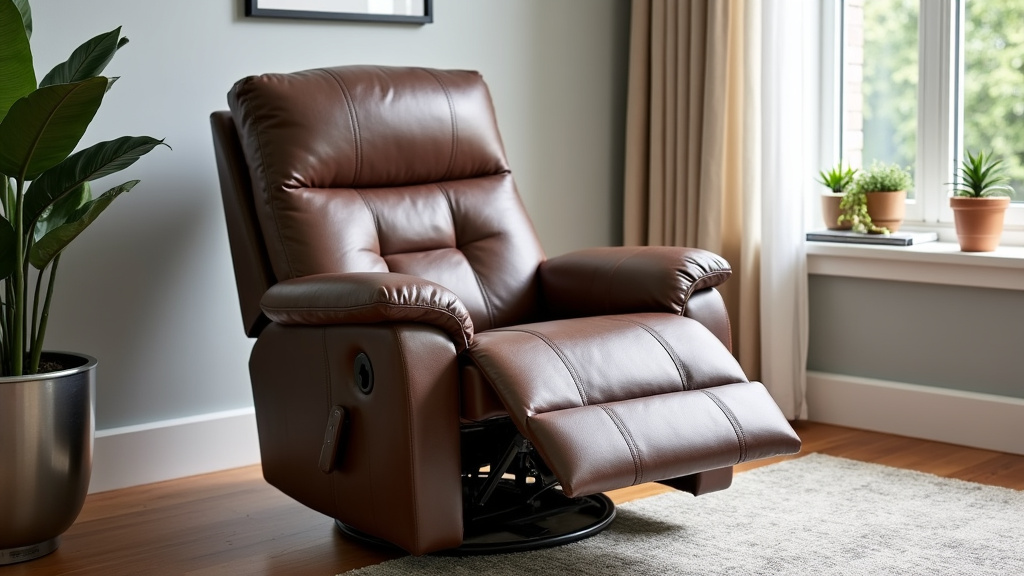
Recliner Dimensions Explained: What the Numbers Mean
When you’re shopping, you’ll see a lot of numbers. Let’s break down what they typically refer to.
Understanding Key Recliner Specs
Manufacturers usually provide dimensions like:
- Overall Width: The total width of the recliner from armrest to armrest.
- Overall Depth (Upright): The depth of the recliner when it’s in its normal sitting position.
- Overall Depth (Reclined): The total depth of the recliner when the footrest is extended and the back is lowered.
- Overall Height: The total height of the recliner from the floor to the highest point of the backrest.
- Seat Width: The usable width of the seat cushion.
- Seat Depth: The depth of the seat cushion from the front edge to the backrest.
- Seat Height: The height of the seat from the floor.
- Arm Height: The height of the armrest from the floor.
- Wall Clearance: The minimum distance needed between the back of the recliner and the wall for it to function properly.
Many experts suggest measuring your favorite chair at home and comparing those dimensions to potential new recliners. This gives you a tangible reference point. For example, if you have a comfortable chair now, measure its seat depth and width to see what feels good.
Making the Final Choice: A Quick Checklist
Ready to put it all together? Use this checklist:
- Your Height: Does the backrest seem tall enough?
- Your Inseam: Will the footrest offer proper leg support?
- Seat Depth/Width: Does it feel comfortable for your preferred sitting style?
- Room Width: Will it fit without making the room feel crowded?
- Wall Clearance: Do you have enough space behind it to recline fully?
- Overall Dimensions: Does it fit aesthetically and functionally in your space?
Taking these measurements might seem like a bit of work, but it’s worth it. A correctly sized recliner offers superior comfort and fits perfectly into your home. You’ll be enjoying your cozy new spot for years to come!
Conclusion
You’ve learned that finding the right recliner size is about more than just looks. It’s about ensuring your new chair fits your body and your room perfectly. We’ve covered the key body measurements like your height and inseam. You also know how to measure your space, including vital wall clearance. Now, you’re ready to compare these numbers to recliner specifications. Take your time, use your checklist, and you’ll soon be relaxing in a recliner that feels made just for you. Your next step is to grab a tape measure and start measuring!
Frequently Asked Questions
How do I measure my inseam for a recliner?
Sit on a flat chair with your back against the wall. Place a book between your legs, as if sitting on a recliner. Measure from the top of the book to the floor. This measurement helps ensure the footrest will properly support your legs.
What is “wall clearance” and why is it important?
Wall clearance is the minimum distance needed between the back of the recliner and a wall for it to fully recline without hitting anything. It’s crucial because without enough space, your recliner won’t operate correctly and could be damaged.
My living room is small, what kind of recliner should I look for?
For smaller rooms, look for “compact” or “small space” recliners. These often have a smaller footprint and require less wall clearance. Always check the recliner’s dimensions and its specific recline space needs before buying.
Can I use a tape measure from my favorite existing chair as a guide?
Yes, this is a smart idea! Measure the seat depth and width of a chair you find very comfortable. Compare these numbers to the seat dimensions listed for potential new recliners. It gives you a real-world reference for comfort.
What if I’m much taller or shorter than average?
If you’re outside the average height range, pay extra attention to the recliner’s overall height, back height, and seat depth. Taller individuals often need higher backs and deeper seats. Shorter individuals might prefer lower backs and shallower seats for better support.


