What to Look for in a Recliner: A Simple Checklist
On this page (9 sections)
- Your Guide to Choosing the Perfect Recliner
- The Foundation: What’s Inside the Frame?
- Comfort is King: Cushioning and Support
- The Reclining Mechanism: How It Moves
- Size Matters: Fitting Your Space and Yourself
- Upholstery Options: Durability and Style
- Your Recliner Checklist: Quick Review
- Conclusion
- Frequently Asked Questions
Finding the perfect recliner sofa is all about knowing what to look for to ensure comfort, durability, and a good fit for your space. You’ll want to consider factors like frame construction, cushioning material, and the reclining mechanism itself to make sure your new favorite seat lasts for years to come. A little research now saves you from buyer’s remorse later.
Many shoppers overlook the small details that make a big difference. We found that understanding the different types of recliner bases and how the upholstery affects maintenance and feel is key. Don’t forget to measure your space and doorway first – nobody wants a recliner that won’t fit!
- Check the recliner frame for solid wood or metal.
- Feel the cushioning for comfort and support.
- Test the reclining mechanism to ensure it works smoothly.
- Consider the size and style to match your room.
- Think about the upholstery for durability and cleaning ease.
Ready to find your perfect match? Let’s walk through a simple checklist to help you choose the best recliner for your home.
Your Guide to Choosing the Perfect Recliner
So, you’re ready to invest in a recliner! That’s fantastic. It’s more than just a piece of furniture; it’s your personal retreat after a long day. But with so many options, where do you even start? We’ve put together a simple checklist to guide you.
The Foundation: What’s Inside the Frame?
Think of the frame as the skeleton of your recliner. If it’s weak, the whole chair won’t stand the test of time. You want a frame that’s built to last.
Solid Wood vs. Engineered Wood
Many experts recommend hardwoods like oak, ash, or maple for recliner frames. These are strong and durable. Plywood, especially high-quality, multi-layered plywood, can also be a good choice. It’s stable and less prone to warping than solid wood in some conditions. Avoid frames made of particleboard or softwoods. These materials are less sturdy and can break down over time.
Metal Frames
Some recliners use metal frames, often in combination with wood. Metal can offer excellent strength, especially for the reclining mechanism. Look for steel or high-quality aluminum. We found that a well-constructed metal frame can contribute to a recliner’s longevity.
Joints and Connections
Even the best frame materials can fail if they aren’t put together properly. Check for glued and screwed joints, or mortise-and-tenon construction. These are signs of quality craftsmanship. Staples alone are a red flag and can indicate a weaker build.
Comfort is King: Cushioning and Support
This is where the magic happens! The cushioning determines how your recliner feels. You want a balance of soft comfort and firm support.
Seat Cushions
High-density foam is a popular choice for a reason. It offers good support and bounces back well, so it won’t flatten out quickly. We found that foam wrapped in polyester fiber adds an extra layer of plushness. Some high-end recliners might use down or feather cushions, which are luxurious but require more fluffing and maintenance.
Back and Arm Support
Don’t forget about the rest of the chair! The back cushion should support your spine comfortably, especially if you plan to sit for extended periods. Armrests should be padded enough to be comfortable but not so soft that you sink into them.
Testing the Feel
When you sit down, you shouldn’t feel the frame through the cushions. You want a feeling of being cradled, not just plopped down. Press into the cushions; they should be resilient and not feel mushy.
The Reclining Mechanism: How It Moves
This is the engine of your recliner. A smooth, easy-to-operate mechanism is essential for a good experience.
Manual vs. Power
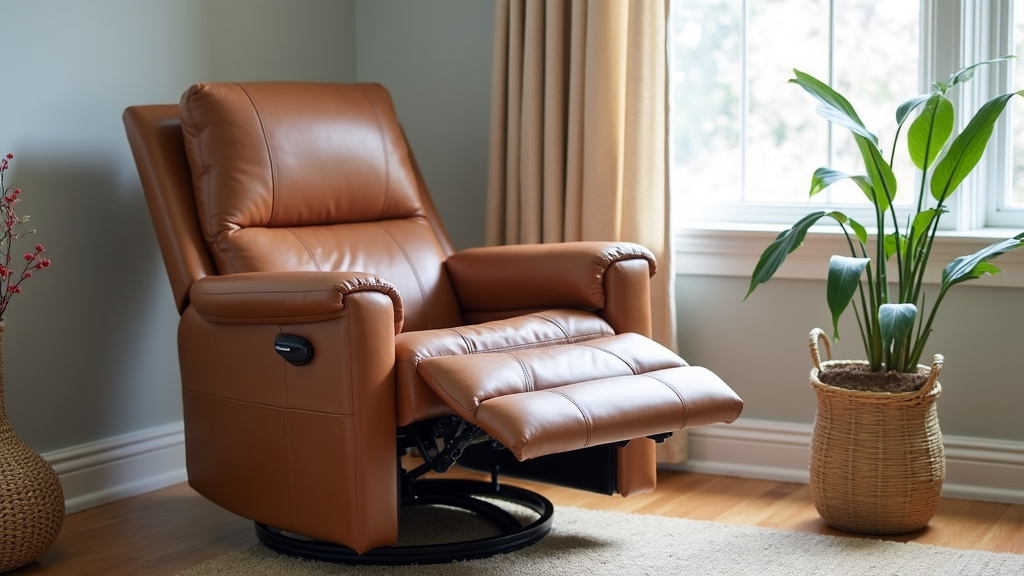
Manual recliners typically use a lever or a handle to activate the reclining motion. A push-back recliner is another manual style that reclines when you lean back against the chair. They are generally simpler and don’t require electricity. Power recliners use a motor and are operated by buttons or a remote control. They often offer more positions and are easier to use, especially for those with mobility issues. We found that power recliners can be a great addition for enhanced relaxation.
Smooth Operation
Whatever type you choose, test it out. Does it recline and return to the upright position smoothly? Are there any jerking motions or loud noises? The mechanism should feel sturdy and well-balanced, even when fully reclined.
Number of Positions
Some recliners only have two positions: upright and fully reclined. Others offer multiple intermediate positions, allowing you to find your perfect angle for reading, watching TV, or napping. Power recliners often provide the most flexibility here.
Size Matters: Fitting Your Space and Yourself
A recliner that’s too big or too small can be uncomfortable and look out of place in your room.
Overall Dimensions
Measure your space before you shop. How much room do you have for the recliner, both upright and fully reclined? Don’t forget to consider how far it will extend from the wall when reclined. Many manufacturers provide these dimensions online.
Seat Depth and Width
When you sit in the recliner, your feet should be flat on the floor, and there should be a few inches between the back of your knees and the edge of the seat. The seat should also be wide enough for you to sit comfortably without feeling cramped.
Height of the Backrest
If you’re tall, you’ll need a recliner with a tall backrest to support your head and neck. If you’re shorter, a very tall back might feel overwhelming. Many recliners come in different sizes or offer options for taller or shorter individuals.
Doorway Clearance
This is a big one! Measure your doorways and any hallways the recliner needs to go through. We found that many people overlook this step, only to find their new chair won’t fit into the room. Some recliners have removable legs or can be tilted to help with transport.
Upholstery Options: Durability and Style
The fabric or leather covering your recliner impacts its look, feel, and how easy it is to care for.
Fabric Choices
Polyester and microfiber fabrics are popular for their durability and stain resistance. They are often soft and comfortable. Cotton blends can also be nice, but may stain more easily. If you have pets or children, look for fabrics that are easy to clean and resistant to snagging. Many guidelines suggest performance fabrics for high-traffic areas (Cleveland Clinic).
Leather and Leather-Like Materials
Genuine leather is durable, breathable, and develops a beautiful patina over time. It can be an investment, but it often lasts for decades. Faux leather, like polyurethane or PVC, can be a more budget-friendly option. It’s often easy to clean, but may not be as breathable or as durable as genuine leather.
Maintenance and Cleaning
Consider your lifestyle. If you have pets, kids, or tend to spill things, choose an upholstery material that’s easy to wipe down and resistant to odors and stains. Always check the manufacturer’s care instructions before cleaning.
Your Recliner Checklist: Quick Review
Keep these points in mind as you shop. A little attention to detail now ensures years of happy lounging.
- Frame: Solid wood or strong metal, well-constructed joints.
- Cushions: Supportive yet comfortable, no frame felt.
- Mechanism: Smooth, quiet operation, multiple positions if desired.
- Size: Fits your body and your room, including doorways.
- Upholstery: Durable, easy to clean, fits your style.
- Test It: Sit, recline, and relax! Does it feel right?
Conclusion
You’re now equipped to find a recliner that perfectly fits your needs and your home. Remember to focus on the core elements: a sturdy frame, supportive cushioning, a smooth-operating mechanism, the right size, and durable upholstery. Taking the time to test chairs and consider these factors will ensure your recliner brings you comfort and relaxation for years to come. Your next step? Head to a showroom, try out a few options using this checklist, and find the seat you’ll love to sink into.
Frequently Asked Questions
How do I know if a recliner frame is good quality?
Look for frames made from solid hardwoods like oak or maple, or high-quality, multi-layered plywood. Metal frames made of steel can also be very durable. Pay attention to how the joints are secured; glued and screwed joints are a good sign of quality, while staples alone can indicate a weaker build.
What’s the best cushioning for a recliner?
High-density foam is a great choice because it provides firm support and resists flattening over time. For extra comfort, look for foam wrapped in polyester fiber. If you prefer a softer feel, some recliners offer down or feather options, but these require more upkeep.
Are manual or power recliners better?
Manual recliners are simpler and don’t need electricity, making them a reliable choice. Power recliners offer more convenience, often with multiple positions controlled by buttons or a remote, and can be easier for people with mobility challenges.
What if I have a small living room? How do I pick a recliner size?
Measure your space carefully, both for the recliner’s upright dimensions and how much room it needs when fully reclined. Some recliners are designed with “wall-hugger” or “space-saver” features that require less distance from the wall.
Which upholstery material is easiest to clean?
Microfiber and polyester fabrics are generally very durable and stain-resistant, making them excellent choices for easy cleaning, especially if you have pets or children. Genuine leather is also durable and can be wiped clean, though it’s a more significant investment.