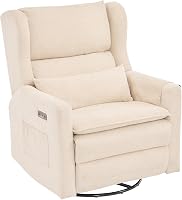
Pros and Cons of a Power Recliner: A Closer Look
On this page (3 sections)
Yes, a power recliner can be a fantastic addition to your living space, offering unparalleled comfort and ease of use, especially for those with mobility challenges. However, it’s wise to weigh the pros and cons before you buy. These chairs bring convenience but also have a few drawbacks to consider.
When you think about a recliner, you probably picture the classic manual version. Power recliners take that comfort to the next level with electric motors. This means less effort for you and more options for finding your perfect relaxation spot. But, electricity brings its own set of considerations, like cost and maintenance.
- Ease of Use: Effortless reclining with the touch of a button.
- Comfort Customization: Find your perfect angle for lounging.
- Accessibility: Great for people with physical limitations.
- Style Variety: Available in many designs to match your decor.
- Cost: Generally more expensive than manual recliners.
- Power Dependency: Requires electricity and can have more mechanical parts to maintain.
Let’s dive into the details of what makes power recliners great and where they might fall short for your home.
Understanding Power Recliners: What You Should Know
Power recliners offer a modern twist on a classic comfort piece. They use electric motors to adjust their position. This means you can recline or sit up with just the touch of a button. It’s a far cry from the manual lever you might be used to.
How Do Power Recliners Work?
At their core, power recliners have a small electric motor. This motor connects to a series of gears and linkages. When you press a button, the motor activates. It then moves these parts to gently push the backrest and extend the footrest. Some models also include features like USB ports or power lumbar support.
The Electrical Aspect
Your power recliner will need to be plugged into a standard wall outlet. Most come with a long power cord. This means you’ll need to position your recliner within reach of an outlet. Some higher-end models offer battery pack options. This gives you more placement flexibility without needing to be near a plug.
Weighing the Benefits: Why Choose a Power Recliner?
Many people find power recliners a fantastic choice for their homes. Their appeal lies in the effortless operation and enhanced comfort options. Let’s look at the main advantages.
Unmatched Ease of Use
This is the biggest draw for most shoppers. Instead of struggling with a lever or pushing with your body weight, you simply press a button. This makes them incredibly accessible for everyone. It’s ideal for individuals who might have difficulty with physical exertion.
Precision Comfort Settings
Manual recliners often have just a few set positions. Power recliners allow for infinite adjustments. You can stop the chair at precisely the angle that feels best for you. Whether you want to lie almost flat or just prop your feet up a bit, you have that control. This fine-tuning can lead to greater relaxation.
Great for Mobility Challenges
For seniors or those recovering from injuries, a power recliner can be a real help. The ability to recline and sit up with minimal effort is a significant benefit. Some models even include a lift assist feature. This gently raises the chair to help you stand, reducing strain on your body.
Modern Features and Style
Power recliners aren’t just about function; they can also be stylish. Manufacturers offer them in a wide range of fabrics, leathers, and colors. You can find modern, contemporary, or traditional designs to fit your room’s decor. Plus, many include handy features like built-in USB charging ports or cup holders.
Considering the Downsides: Potential Drawbacks of Power Recliners
While power recliners are comfortable and convenient, it’s important to be aware of the potential drawbacks. Thinking about these now can save you trouble later.
Higher Purchase Price
Generally, power recliners cost more than their manual counterparts. The added motors, electrical components, and technology contribute to the higher price tag. If you’re on a tight budget, this is a key factor to consider.
Dependence on Electricity
As electric-powered furniture, they need a working power source. If there’s a power outage, your recliner might become stuck in its current position. While many have manual overrides, they can be tricky to operate. Battery backup systems can help, but they add to the overall cost.
More Moving Parts and Potential Maintenance
With more mechanical and electrical parts, there’s a greater chance of something needing repair. Motors can wear out over time. Electrical connections can become loose. While most are built to last, they may require more attention than a simple manual chair. This can mean potential repair costs down the line.
Placement Limitations
The need for a power outlet can restrict where you can place your recliner. You might want it in the center of the room for conversation, but if there’s no outlet nearby, this might not be practical. Using extension cords is generally not recommended for safety reasons.
Weight and Complexity
Power recliners are often heavier and bulkier than manual ones. Moving them can be a challenge. The added complexity also means there are more things that could potentially go wrong over time.
Key Differences at a Glance
To help you visualize, here’s a quick comparison:
| Feature | Power Recliner | Manual Recliner |
|---|---|---|
| Operation | Electric button control | Manual lever or body push |
| Comfort Adjustment | Infinite positions | Limited set positions |
| Ease of Use | Very easy, great for limited mobility | Requires some physical effort |
| Power Need | Requires electrical outlet | No power needed |
| Cost | Generally higher | Generally lower |
| Maintenance | More potential for mechanical/electrical issues | Fewer mechanical parts to maintain |
Making the Right Choice for Your Home
When deciding between a power and manual recliner, think about your personal needs and preferences. Consider who will be using the chair and what their physical capabilities are. Also, factor in your budget and the layout of your living space.
Questions to Ask Yourself
Are you looking for the easiest way to relax? Do you or someone in your household have trouble with physical movement? Is your budget flexible enough for a higher initial investment? Will the chair be placed near a power outlet? Answering these will guide your decision.
Your Power Recliner Checklist
Before you commit to a power recliner, run through this quick checklist:
- Confirm you have an accessible power outlet nearby.
- Check if the chair’s dimensions fit your space.
- Consider the weight capacity and size for intended users.
- Read reviews about the specific model’s durability and comfort.
- Understand the warranty and return policy.
- Think about any extra features you might want, like USB ports.
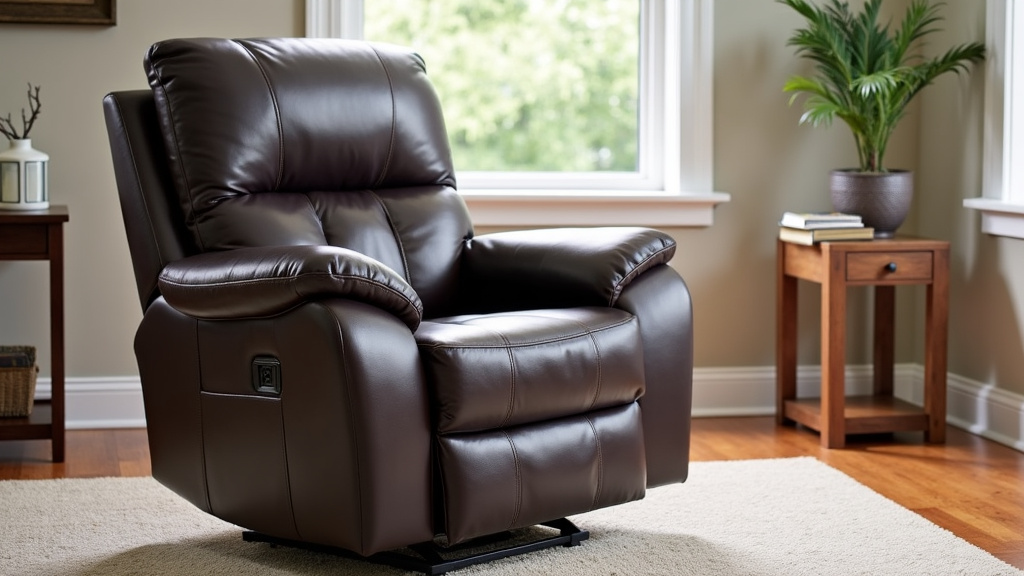
Conclusion
You’ve looked closely at what power recliners offer. They bring wonderful ease and customizable comfort right to your living room. This makes them a top choice, especially if you value convenience or need help with mobility. Keep in mind the higher cost and need for electricity. Weigh these factors against the effortless reclining and precise comfort. Your ideal relaxation spot awaits. Now, take a moment to assess your space and your needs to make the best choice for your home.
Frequently Asked Questions
Can I use a power recliner if I don’t have an outlet nearby?
You can use a battery pack accessory if your power recliner supports it. These offer more flexibility for placement. Without a battery, you’ll need to place the chair within reach of a standard power outlet. Extension cords are generally not recommended for safety reasons.
Are power recliners more difficult to clean than manual ones?
Cleaning a power recliner is very similar to cleaning a manual one. You’ll focus on the upholstery material. The main difference is being careful around the electrical components and motor. Always unplug the chair before cleaning to prevent accidental operation.
What happens if the power goes out while I’m in the recliner?
Most power recliners have a manual override feature. This allows you to return the chair to an upright position without electricity. You usually need to release a mechanism or use a tool. It’s a good idea to familiarize yourself with this feature before you need it.
Do power recliners require more maintenance than manual recliners?
Yes, power recliners have more moving parts and electrical components. This means there’s a greater potential for mechanical or electrical issues over time. Regular checks of connections and motors can help, but they may eventually require professional repair.
Are there different types of power recliner controls?
Yes, controls vary. Some use simple button panels with up and down arrows. Others have more advanced remotes with memory settings. You can also find models with touch controls integrated into the armrests. These options cater to different user preferences for ease of operation.