How to Use a Zero Gravity Chair
To use a zero gravity chair, sit back, raise your legs, and recline until your body feels balanced and supported. Adjust the chair gradually, engage its lock if it has one, and check that it is stable before settling in.
On this page (9 sections)
- How do you use a zero gravity chair step by step?
- How should you adjust the recline and leg position?
- How do you lock the chair in a comfortable position?
- How do you get into and out of a zero gravity chair?
- How can you make a zero gravity chair more comfortable?
- What should you check before reclining?
- What if your chair reclines differently from a sofa recliner?
- How long should you stay reclined?
- Which zero gravity chair setup should you choose?
To use a zero gravity chair, sit back, raise your legs, and recline until your body feels balanced and supported. Adjust the chair gradually, engage its lock if it has one, and check that it is stable before settling in.
The phrase “zero gravity” describes a reclined seating position, not weightlessness. A chair's controls and locking method vary, so use its manual as the guide for moving and securing the frame.
How do you use a zero gravity chair step by step?
Set the chair on a flat surface, sit with your back against the support, then recline in small steps. Raise your legs until they feel comfortable, engage the lock as directed, and check that the chair stays in place.
- Place the chair where its frame can open fully, with room around the sides and front.
- Check that the surface is level and the chair's feet or base sit firmly.
- Sit near the center, keeping your hands away from hinges and sliding parts.
- Move the back and leg support gradually, following the chair's controls.
- Stop at a comfortable angle and use the lock if your chair has one.
- Shift gently to check that the frame remains steady before relaxing.
Don't force a control or push against a locked frame. If the chair catches or moves unevenly, return it to a safe position and check the manual before trying again.
For a plain explanation of the design, read what a zero gravity recliner is and what owners should know. If you're deciding whether the position suits your routine, see the benefits of a zero gravity chair.
How should you adjust the recline and leg position?
Choose a position that supports your back and legs without pulling at your joints. There is no single angle that feels right for everyone, so make small adjustments and pause between them.
A zero gravity chair usually reclines the back while the leg rest rises. This can spread your weight across more of the chair, but the exact movement depends on the frame and model.
Keep your head and lower back supported as you recline. If a gap or pressure point makes you shift constantly, change the angle or add a cushion that fits the chair.
Stop and sit more upright if you notice tingling, numbness, dizziness, or pain. A reclined position should feel comfortable, not like a stretch you have to endure.
How does a zero gravity recliner work while you adjust it?
The chair changes the relationship between the backrest and leg support as you recline. The frame carries your weight through that movement, while a lock or control may hold the position.
Read how a zero gravity recliner works and what really happens for a closer look at the chair's motion. Follow the manual for any handles, knobs, or release controls because designs differ.
How do you lock the chair in a comfortable position?
Engage the lock only after you reach a stable, comfortable angle. Keep your fingers clear of the frame, and follow the chair's instructions for locking and opening.
Some chairs use a lever or knob near the side rails; others use a different mechanism. Don't guess which part controls the lock, and don't lean hard against the chair to test it.
After engaging the lock, make a small, controlled shift in your weight. If the frame slips, creaks unusually, or does not stay put, return upright and check the manual for adjustment or maintenance steps.
Keep the chair on a firm, level floor while reclining. A rug edge, uneven patio surface, or nearby furniture can interfere with the frame's movement.
How do you get into and out of a zero gravity chair?
Start upright and centered, then recline after your feet and back are settled. To get out, return the chair toward upright as directed and stand only when both feet are planted firmly.
Avoid sitting on an extended leg rest or reaching across the frame while it moves. Those actions can shift your weight and make the chair less stable.
If you have trouble standing from a low seat, a zero gravity chair may not be the right choice for every use. A power lift chair has a different purpose: the [MCombo Power Lift Recliner Chair for Elderly] offers a remote-controlled lift and reclining position.
The MCombo uses a counter-balanced lift mechanism and a remote with two buttons for lift or reclining positions. It is a separate type of chair, so compare its size and operation with your needs before choosing.
How can you make a zero gravity chair more comfortable?
Start with the chair's built-in support and adjust the recline before adding accessories. A cushion can help fill a gap or soften contact, but it should stay secure and leave controls accessible.
Choose a cushion made for the chair's shape and attachment points. Our guide to the best zero gravity recliner cushion covers options for adding padding.
Keep blankets and loose fabric away from hinges and moving joints. If you use a cup holder or side table, place it where you can reach it without twisting or pulling on the chair.
For readers who prefer upholstered seating, compare the best fabric zero gravity recliner. A traditional option is the best fabric recliner chair, which may have a different recline and leg-rest setup.
What should you check before reclining?
Confirm that the chair is stable, clear of obstacles, and within its instructions for use. Check the floor, moving parts, and any locking control before each session.
Look for loose fasteners, damaged fabric, bent rails, or a lock that no longer holds. Stop using the chair if a part seems broken or the frame shifts unexpectedly.
Make sure children and pets are clear of the folding frame before adjusting it. Keep hands away from pinch points, and don't let anyone play with the release or lock.
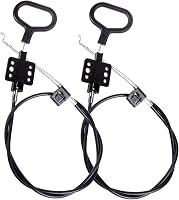
If your chair has a manual release cable or handle, use only the part designed for that chair. The STARVAST Sofa Recliner Cables are replacement D-ring pull cables for compatible sofa recliners, not a universal zero gravity chair accessory.
STARVAST's cables have a D-ring handle and an S-tip end. Check your recliner's cable design and dimensions before buying; these cables don't replace a chair's locking system.
What if your chair reclines differently from a sofa recliner?
Use the control system designed for your chair rather than copying another chair's motion. A manual zero gravity chair, a power recliner, and a gaming chair can all move in different ways.
The Homall Recliner Chair has an adjustable back and footrest, with a stated range from 90 to 160 degrees. That description is for this recliner; it doesn't explain how to operate a zero gravity frame.
For other chair types, see how to recline a gaming chair or how to recline an office chair. Use those guides for their specific controls and setup.
How long should you stay reclined?
Stay in the position only as long as it remains comfortable and easy to exit. Change position or sit upright if pressure, tingling, stiffness, or discomfort starts.
There is no universal time limit for every chair or person. Take breaks, move your legs, and avoid falling asleep in a position the chair's manual does not approve.
If a health condition affects reclining or leg elevation, follow advice from your health professional. The chair's name is not a medical claim.
Which zero gravity chair setup should you choose?
For a comfortable session, set the chair on level ground, recline gradually, and lock it only as the manual directs. Use a cushion if it fits securely, and keep hands and loose fabric clear of moving parts.
Choose a zero gravity chair when its reclined position and frame suit your space and comfort needs. Consider a power lift recliner if standing assistance matters, or a standard adjustable recliner if you want a different back and footrest motion.
Frequently asked questions
How do you lock a zero gravity chair?
Use the chair's locking control as its manual directs, then make a small, gentle adjustment to confirm the frame stays in place. Lock designs vary, so don't assume a lever, knob, or position is the same across chairs.
Keep your hands clear of moving joints while adjusting.
Should your feet be higher than your heart in a zero gravity chair?
Some chairs let you raise your legs near or above torso level, but the right position depends on the chair and your comfort. Recline in small steps and stop if you feel strain, numbness, dizziness, or discomfort.
Follow medical advice if you have a condition affected by leg elevation.
Can you sleep in a zero gravity chair?
A zero gravity chair is generally intended for seated reclining, and its frame, restraint, and locking design may not suit overnight sleep. Check the chair's instructions for approved use and position.
If you feel drowsy, move to a bed or another sleep surface designed for that purpose.
How do you get out of a zero gravity chair?
Return the chair toward its upright position and open it only as directed by its manual. Move slowly, plant both feet on the floor, and use the armrests if they are designed to support you.
Ask for help if the chair feels unstable or standing is difficult.