Are Lift Chairs Good or Bad? The Short Answer
On this page (8 sections)
Yes, lift chairs can be incredibly helpful, especially for people with mobility challenges. They offer a safe and easy way to get up and down. This can reduce the risk of falls and increase independence at home. For many, they are a life-changing piece of furniture.
When considering a lift chair, it’s good to know they do more than just lift. They can provide excellent support for sitting and reclining. Many models come with features like heat and massage. Finding the right one depends on your specific needs and comfort preferences. They aren’t just for the elderly, either.
- Lift chairs offer safe assistance for getting up.
- They can help prevent falls and maintain independence.
- Many chairs provide great comfort and support for daily use.
- Choosing the right chair depends on your personal needs.
Let’s take a closer look at the benefits and potential drawbacks of lift chairs to help you decide if one is right for you.
Are Lift Chairs a Good Investment for Your Home?
Lift chairs can be a wonderful addition to your home if you struggle with standing or sitting. They offer a simple solution to regain some independence. Many people find they reduce strain and improve their daily comfort. It’s not just about getting up; it’s about doing so safely and with ease.
Research suggests that falls are a major concern for adults as they age. Lift chairs can help mitigate this risk. By providing a stable lift mechanism, they assist you in transitioning from a seated to a standing position. This can prevent painful injuries and the fear of falling. Many users report feeling more secure and confident in their homes after getting a lift chair.
How Does a Lift Chair Actually Work?
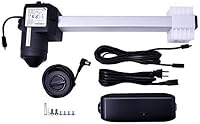
At its core, a lift chair is an electric recliner with a built-in lifting mechanism. It uses a motor to raise or lower the entire chair. This allows you to ease into a standing position or lower yourself gently back down. Most models have a simple hand control. You just press a button to activate the lift.
The Basic Lifting Action
Think of it like a gentle elevator for your chair. When you want to stand, you press the ‘up’ button. The chair’s frame, including the seat and backrest, rises vertically. This lifts you up and slightly forward. It brings you to a standing height. You don’t need to push off with your hands or strain your legs. It’s a smooth and controlled movement.
Returning to a Seated Position
The process is just as easy in reverse. When you want to sit, you press the ‘down’ button. The chair lowers you slowly and steadily. You can stop it at any point. This helps you find the perfect height. It makes sitting down feel much safer than just collapsing into a regular chair. You can control your descent.
Key Benefits of Owning a Lift Chair
The advantages of lift chairs go beyond just the lifting function. They are designed with your comfort and well-being in mind. Many users find them to be essential tools for maintaining an active lifestyle at home. Let’s break down the main perks.
Enhanced Mobility and Independence
This is perhaps the biggest benefit. If standing up is a challenge, a lift chair can make a world of difference. You can get out of your chair when you want, not just when you feel you have the energy. This means you can join family activities more easily. You can get up to answer the door or get a drink. It reduces reliance on others for simple tasks. This boosts your sense of autonomy.
Fall Prevention and Safety
We found that a significant number of home injuries are due to falls. Lift chairs are a direct way to combat this. They offer a stable and supported transition. You don’t have to worry about losing your balance. The chair provides a steady base. This is especially helpful for individuals with weakness in their legs or hips. The risk of a serious fall is greatly reduced. Government health guidelines often recommend aids that improve home safety for seniors.
Superior Comfort and Support
Lift chairs are also very comfortable. They are built with supportive padding. The recline function allows you to find the perfect position. You can sit upright, recline partially, or lie back fully. Many models offer additional features for comfort. These can include heat and massage functions. They can help soothe sore muscles. Imagine relaxing after a long day. You can sink into your chair and let the features work their magic. This can be a real treat for your body.
Improved Circulation
Many lift chairs have a full reclining feature. This allows you to elevate your legs. Raising your legs above your heart can help improve blood flow. This is beneficial for people who have swelling in their legs or ankles. It can also help reduce pressure points. Sitting for long periods can be tough on your body. The ability to change positions easily is a big plus. Good circulation is key to overall health.
Potential Downsides to Consider
While lift chairs offer many advantages, it’s important to be aware of potential drawbacks. Being informed helps you make the best choice. They aren’t a one-size-fits-all solution for everyone. Thinking about these points can save you trouble later.
Cost and Budget
Lift chairs can be an investment. The price can vary widely based on features and brand. Simple models are more affordable. High-end chairs with heat, massage, and advanced lifting mechanisms can be quite expensive. It’s essential to set a budget. Then, look for a chair that meets your needs within that range. Some insurance plans may offer partial coverage, but this is not common for lift chairs. You may need to check with your provider.
Size and Space Requirements
Lift chairs are generally larger than standard recliners. They need enough space to operate their lifting and reclining functions. The chair needs to move freely without bumping into furniture. You’ll need to measure your room. Make sure there is adequate clearance. Some chairs have a “wall-hugger” design. These require less space behind them. This can be a good option for smaller rooms.
Learning Curve and Operation
While the hand control is usually simple, some people might find it a bit tricky at first. Buttons can be small. Some individuals might have difficulty with fine motor skills. It’s important that the hand control is easy for you to use. You should be able to hold it and press the buttons comfortably. If you have arthritis or dexterity issues, look for larger buttons or simpler controls.
Maintenance and Durability
Like any electrical appliance, lift chairs require some care. The motors and electrical components can eventually wear out. It’s wise to buy from a reputable brand. Look for chairs that come with a good warranty. This covers the motor and the frame. Regular cleaning will also help keep your chair in good condition. Check the manufacturer’s instructions for cleaning the upholstery.

Choosing the Right Lift Chair for You
Selecting the perfect lift chair involves a few key considerations. You want a chair that fits your body and your lifestyle. Think about these factors when you shop.
Your Specific Needs and Condition
Are you having trouble standing up? Do you need help reclining? Do you need extra lumbar support? Some chairs are designed for specific issues. For example, bariatric chairs offer more space and support. Chairs with infinite position recline allow for more customized comfort. Understanding your own limitations and desires is the first step. Many medical professionals recommend lift chairs for conditions like arthritis, COPD, or after surgery.
Fit and Size
A lift chair should fit you like a glove. When you sit in it, your feet should be flat on the floor. Your knees should be at a 90-degree angle. Your arms should rest comfortably on the armrests. When the chair lifts you, it should bring you to a height where you can stand easily. Measure your height and weight. Match these to the chair’s specifications. A proper fit ensures the chair works effectively and comfortably.
Features to Look For
Beyond the basic lift function, consider these extras:
- Recline Positions: 2-position, 3-position, and infinite position recline. Infinite offers the most flexibility.
- Heat and Massage: Can provide soothing relief for aches and pains.
- Pocket or Tray: For convenient storage of remotes or reading material.
- Battery Backup: Essential in case of a power outage, allowing you to get out of the chair.
- Fabric Type: Choose durable, easy-to-clean fabric suitable for your home environment.
A Quick Checklist for Your Lift Chair Decision
Before you make a purchase, ask yourself these quick questions:
- Does the chair fit my body dimensions?
- Can I easily reach and operate the hand control?
- Is there enough space in my room for the chair to operate?
- Does the chair’s lifting capacity meet my weight needs?
- Does the warranty cover the motor and frame adequately?
- Does it offer the comfort features I desire?
Conclusion
Lift chairs offer a practical solution for enhancing mobility and safety at home. They provide a reliable way to stand and sit, reducing the risk of falls and supporting independence. While the initial cost and space requirements are factors to consider, the benefits of increased comfort, better circulation, and ease of movement are often well worth the investment. Before buying, assess your personal needs carefully and measure your space. Then, you can confidently choose a lift chair that truly improves your daily life.
Frequently Asked Questions
Can I get a lift chair covered by insurance?
Insurance coverage for lift chairs can vary greatly. While some mobility aids are covered, lift chairs are often not considered medically necessary by many insurance providers. It’s best to check directly with your insurance company to understand your specific benefits and any potential reimbursement options.
Are lift chairs difficult to operate for someone with arthritis?
The hand control for lift chairs is usually straightforward, but individuals with arthritis or dexterity issues might find some buttons challenging. Look for models with larger, easy-to-press buttons and an ergonomic design for a more comfortable experience.
How much space does a lift chair really need?
Lift chairs require more space than a standard recliner because they need room to lift and recline. You’ll need clearance in front of the chair for reclining and behind it for the lifting mechanism. Some “wall-hugger” models require much less space behind them, making them ideal for smaller rooms.
What is the difference between 2-position, 3-position, and infinite recline?
A 2-position chair typically reclines to an upright and a slightly reclined position. A 3-position offers upright, TV, and fully reclined positions. Infinite position recline allows you to adjust the backrest and footrest independently, offering the most customization for comfort.
Can a lift chair help with swelling in my legs?
Yes, many lift chairs with a full reclining feature allow you to elevate your legs. Raising your legs above heart level can help improve blood circulation and reduce swelling in the legs and ankles, which is beneficial for overall health.