How to Choose a Lift Chair: Step by Step
On this page (11 sections)
- Picking the Right Lift Chair for You: A Step-by-Step Guide
- Step 1: Understand Your Needs and Measurements
- Step 2: Consider the Recline Positions
- Step 3: Choose the Right Fabric and Style
- Step 4: Evaluate the Chair’s Size and Fit in Your Room
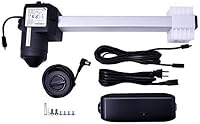
- Step 5: Understand the Motor and Lift Mechanism
- Step 6: Examine Features and Added Benefits
- Step 7: Review Warranty and Return Policies
- Your Lift Chair Checklist
- Conclusion
- Frequently Asked Questions
Choosing the right lift chair is all about matching your needs to its features. The best lift chair for you will depend on your height, weight, and the type of support you require. Think of it as finding a perfect fit, like a comfy pair of shoes.
It’s not just about the lift mechanism, either. We found that many people overlook the importance of fabric choice and the number of reclining positions. Getting these details right can make a big difference in your daily comfort and how well the chair fits your home’s style.
- Know your measurements: height and weight matter.
- Consider the number of recline positions you need.
- Think about the fabric and ease of cleaning.
- Check the chair’s size to ensure it fits your space.
- Understand the warranty and return policy.
Ready to find the lift chair that will make your day a little easier? Let’s walk through exactly how to choose one, step by step.
Picking the Right Lift Chair for You: A Step-by-Step Guide
Finding the perfect lift chair means looking at a few key things. We want to help you make a choice that truly fits your life. It’s about comfort, support, and making everyday tasks easier. Let’s break down how to select the best one.
Step 1: Understand Your Needs and Measurements
Before you even look at chairs, it’s wise to measure yourself. Knowing your height and weight is the first and most important step. Our guide to choosing a recliner for an older adult covers added comfort and safety considerations. Lift chairs come in different sizes, and a good fit ensures safety and comfort.
Your Height Matters
The back of the chair should support your head and shoulders. Your feet should rest comfortably on the footrest when the chair is in its upright position. If the chair is too tall, your feet might dangle. If it’s too short, it won’t offer enough back support. Many manufacturers offer sizing guides based on user height.
Weight Capacity is Key
Every lift chair has a maximum weight capacity. You need to choose a chair that can comfortably and safely support your weight. Exceeding this limit can damage the chair and be dangerous. Check the product specifications carefully. We found that most chairs are rated for anywhere from 250 to 700 pounds (Mayo Clinic).
Step 2: Consider the Recline Positions
Lift chairs don’t just lift you up. They also recline. The number and type of recline positions available can greatly affect how you use the chair. Think about what activities you’ll do while sitting in it.
The Standard 2-Position Chair
This is the most basic type. It offers an upright position and a slightly reclined position. The footrest also lifts when you recline. These are often the most affordable options and are good if you mainly need help getting up and down. They can also provide a comfortable spot for reading.
The 3-Position Chair
These chairs typically offer infinite recline positions. This means you can adjust the backrest and footrest to almost any angle. You can often find a position that’s almost flat, like a bed. This is great for napping or if you need to change positions frequently throughout the day. Many models allow the backrest to go down while the footrest comes up.
Infinite Position Chairs
These give you the most flexibility. You can separate the backrest and footrest movements. This allows for a wide range of positions, including a nearly flat sleeping position. Some advanced models let you position the headrest and lumbar support independently. This is ideal for people who need specific postural support.
Step 3: Choose the Right Fabric and Style
The material of your lift chair affects comfort, durability, and how easy it is to clean. Style is also important, as the chair will be a piece of furniture in your home.
Common Fabric Options
- Polyester and Microfiber: These are popular choices. They are generally soft, durable, and easy to clean. They resist stains and wear well, making them a practical choice for everyday use.
- Leather and Leather Match: Leather offers a luxurious feel and can be easy to wipe down. However, it can be more expensive and might not be as breathable as fabric. Leather match uses real leather on high-contact areas and vinyl elsewhere.
- Vinyl: This is often the easiest to clean and is a good option if you are concerned about spills or incontinence. It can sometimes feel less comfortable or breathable than other materials.
Considering Your Lifestyle
If you have pets or young children, you might want a fabric that is stain-resistant and easy to vacuum. If you tend to get warm, a breathable fabric like certain polyesters might be better than leather. Think about how the chair will fit into your existing décor. Many chairs come in a variety of colors and patterns.
Step 4: Evaluate the Chair’s Size and Fit in Your Room
A lift chair can be quite large, so measuring your space is essential. You don’t want a chair that feels cramped or awkward in your living room.
Measure Your Space
Before buying, measure the area where you plan to place the chair. Consider the overall dimensions of the chair when fully upright and fully reclined. You’ll need space behind the chair for it to recline fully, and space in front for the footrest. Also, think about doorway widths for delivery.
Doorway Clearance
Many lift chairs come in multiple boxes and may need to be assembled in the room. Measure your doorways, hallways, and stairwells to ensure the chair can be delivered and placed where you want it. Some chairs may require professional assembly or delivery services to navigate tight spaces.

Step 5: Understand the Motor and Lift Mechanism
The heart of a lift chair is its motor and lift mechanism. This is what powers the lifting and reclining functions. The type of motor can affect the chair’s performance and noise level.
Single Motor vs. Dual Motor
- Single Motor: This is the most common type. The backrest and footrest move together. When you recline, the footrest automatically rises. This is a simpler system and usually less expensive.
- Dual Motor: These chairs offer more control. You can adjust the backrest and footrest independently. This allows for a greater variety of positions and better customization for comfort. Many people find the independent control much more useful.
Quiet Operation
If noise is a concern, look for chairs that advertise quiet motor operation. While no motor is completely silent, some are significantly quieter than others. This can make a difference if you plan to use the chair while others are sleeping or watching television nearby.
Step 6: Examine Features and Added Benefits
Beyond the basic lift and recline, many chairs offer features that can enhance your comfort and convenience.
Heat and Massage
Some chairs include built-in heating elements and massage functions. These can be incredibly soothing and help relieve muscle tension. If you suffer from aches and pains, these features might be worth the extra cost. Research suggests heat therapy can help relax muscles and improve blood flow (Cleveland Clinic).
Side Pockets and Cup Holders
Little conveniences can make a big difference. Side pockets are great for storing remote controls, books, or your phone. Cup holders can keep your drinks within easy reach. These are small touches that add to the overall usability of the chair.
Battery Backup
A battery backup system is a smart safety feature. If the power goes out, the battery can allow you to return the chair to its upright position. This is especially important if you rely on the chair for mobility. Always check how long the battery backup lasts.
Step 7: Review Warranty and Return Policies
When investing in a lift chair, understanding the warranty is crucial. It protects you against defects and mechanical failures.
What to Look For in a Warranty
A good warranty typically covers the lift mechanism, motor, and frame for several years. Some warranties might cover fabric and cushions for a shorter period. Read the fine print carefully to understand what is covered and for how long. Many manufacturers offer limited warranties.
Understanding Return Policies
Lift chairs are often considered a medical device, and return policies can be strict. Because of hygiene concerns, many companies do not accept returns on used chairs unless there is a defect. Always clarify the return policy before you purchase. Ask about restocking fees and any shipping costs associated with returns.
Your Lift Chair Checklist
To help you remember the key points, here’s a quick checklist:
- Have you measured your height and weight?
- Do you know the space available in your room?
- How many recline positions do you need?
- What fabric best suits your lifestyle?
- Are you comfortable with the warranty terms?
- Does the chair fit your budget and desired features?
Conclusion
Choosing the right lift chair involves careful consideration of your personal needs. You’ve learned how important your height and weight are, alongside the benefits of different recline positions. We also covered how fabric choice, chair size, motor type, and extra features contribute to your comfort and the chair’s usability. By following these steps, you can confidently select a lift chair that enhances your daily life. Take your measurements and your room dimensions with you when you shop to make sure you find that perfect fit.
Frequently Asked Questions
What is the difference between a 2-position, 3-position, and infinite position lift chair?
A 2-position chair has an upright and a slightly reclined setting. A 3-position chair typically offers more recline options, often getting close to a flat position. Infinite position chairs allow you to adjust the backrest and footrest independently, giving you the most flexibility for various activities and comfort levels.
How do I know if a lift chair will fit through my doors?
Measure your doorways, hallways, and stairwells before you buy. Lift chairs are often shipped in large boxes or require assembly, so ensure there’s enough clearance for delivery. Check the product specifications for the chair’s dimensions when disassembled if possible.
Are lift chairs difficult to operate?
Most lift chairs come with a simple, user-friendly remote control. They are designed for easy operation, even for individuals with limited mobility. You typically press a button to recline or to get assistance standing up.
What should I do if the power goes out?
Many lift chairs include a battery backup system. This feature allows you to return the chair to its upright position even if the main power is out. It’s a good safety measure to ensure you’re not stuck in a reclined position.
Can I return a lift chair if it doesn’t work for me?
Return policies for lift chairs can be strict, especially since they are often considered medical equipment. Some retailers may not accept returns on used chairs due to hygiene reasons unless there’s a manufacturer defect. Always confirm the return policy and any associated fees before making your purchase.