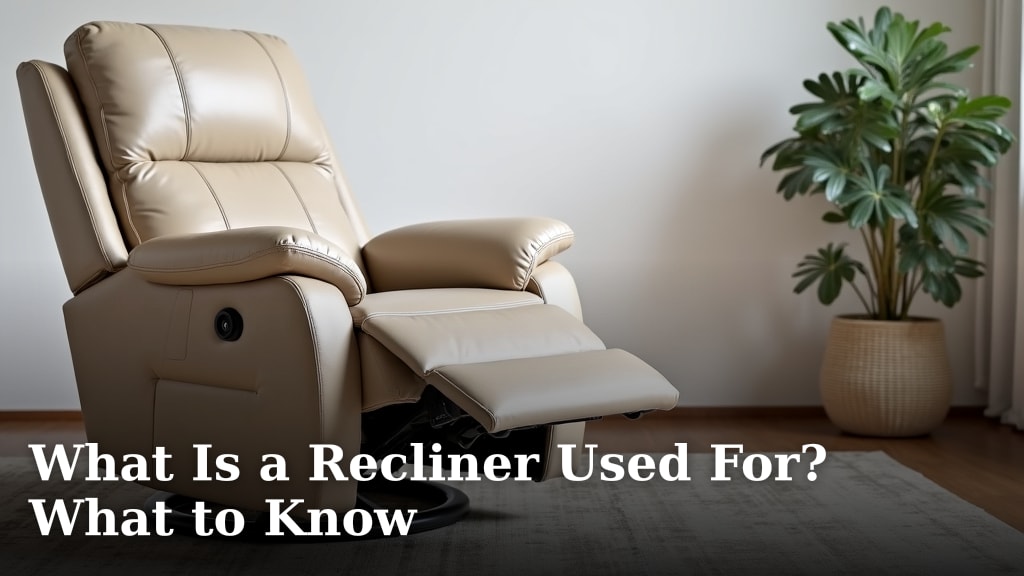
What Is a Recliner Used For? What to Know
A recliner is primarily used for relaxation and comfort. You can recline the backrest and raise the footrest to find your perfect lounging position. It’s designed to offer support for your body while you sit, read, or watch television.
Beyond just sitting, recliners offer therapeutic benefits for some users. They can help alleviate back pain by providing proper lumbar support. Many models also feature gentle massage functions for added stress relief. Thinking about adding one to your living room?
- Recliners are for comfort and relaxation.
- They offer adjustable backrests and footrests.
- Recliners can help with back support.
- Some models include massage features.
Let’s dive into what makes a recliner a great addition to your home and what you should consider before buying one.
Understanding the Purpose of a Recliner Chair
So, you’re curious about what a recliner is really for, beyond just a comfy spot to park yourself? You’ve come to the right place. Recliners are designed to be much more than just a standard chair. They offer a unique way to relax and unwind. Think of it as your personal haven for comfort.
The primary function is to allow you to change your seating position easily. You can lean back and prop up your legs. This makes it perfect for a lazy Sunday afternoon or a movie night. They provide a way to get that extra bit of support your body craves.
The Core Function: Relaxation and Support
At its heart, a recliner is built for comfort and support. It allows you to adjust the backrest and the footrest independently or together. This means you can find the exact angle that feels best for you at any given moment. It’s like having a custom-fit chair.
Many recliners offer excellent lumbar support. This is great for your lower back. When you’re sitting for long periods, your back needs help. A recliner can provide that much-needed cushion and alignment. We’ve found that proper back support is a key feature people look for.
Adjustable Positions for Personalized Comfort
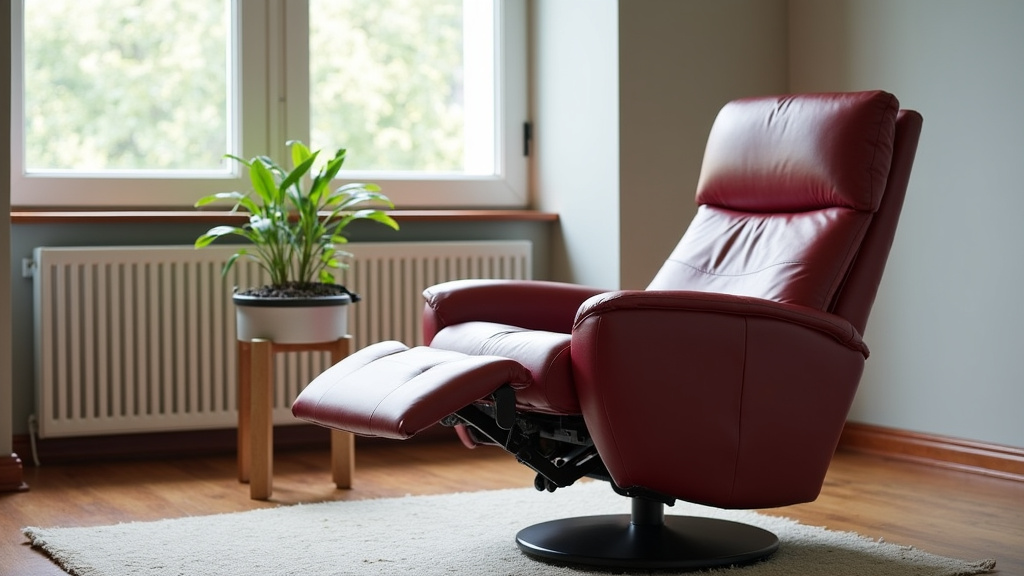
The magic of a recliner lies in its adjustability. You’re not stuck in one position. You can sit up, lean back slightly, or go all the way into a nearly horizontal position. This flexibility is what sets it apart from regular chairs.
The footrest is usually connected to the backrest mechanism. As you recline, the footrest extends. This lets you stretch out your legs. It’s a simple but effective way to relieve pressure on your legs and feet. Many users report feeling more relaxed with their feet elevated.
Beyond Basic Sitting: Therapeutic and Health Benefits
Recliners aren’t just about feeling good; they can also offer health advantages. For people with certain physical issues, a recliner can be a real game-changer. It provides a comfortable way to rest without putting extra strain on your body.
Research suggests that sitting in an upright, supportive position can be beneficial for posture. A recliner can help you maintain this. It encourages a more relaxed, yet supported, posture than slouching on a sofa. We found that many people with back discomfort see improvements with regular recliner use.
Alleviating Back Pain and Discomfort
If you struggle with back pain, a recliner might offer some relief. The adjustable lumbar support can help keep your spine in a neutral position. This can reduce the strain on your back muscles. It’s like a gentle hug for your lower back.
Some recliners are specifically designed with ergonomic features. These can help distribute your body weight more evenly. This reduces pressure points. Many medical professionals recommend reclining chairs for individuals recovering from certain injuries or surgeries. The ability to change positions easily is key here (Cleveland Clinic).
Improving Circulation with Elevated Legs
Keeping your legs elevated can have a positive impact on your circulation. When you prop up your feet, you help blood flow back towards your heart. This can be particularly helpful if you stand or sit for long hours. It can reduce swelling in the ankles and feet. We’ve seen that this simple act can make a big difference for many.
Features to Enhance Your Reclining Experience
Modern recliners come with all sorts of bells and whistles. These features go beyond basic reclining. They are designed to make your relaxation time even more enjoyable and convenient. You might be surprised at what’s available today.
Power Recline vs. Manual Recline
One of the biggest choices you’ll make is between manual and power recliners. Manual recliners typically use a lever or a push-back mechanism. You use your own body weight and strength to recline. They are often more affordable and don’t require electricity.
Power recliners use an electric motor. You operate them with the push of a button. This makes reclining incredibly easy and effortless. They are perfect for people who might have difficulty with manual operation. They often come with additional features, too.
Massage and Heat Functions
This is where things get luxurious. Many power recliners include built-in massage features. These can range from gentle vibrations to more targeted kneading. They can help soothe tired muscles and reduce tension. It’s like having a spa day at home.
Some models also offer heating functions. A warm compress can be very comforting for sore muscles and joints. Imagine sinking into a warm, massaging chair after a long day. It’s the ultimate way to de-stress. These features can turn your recliner into a personal wellness center.
Other Smart Features
You might also find recliners with USB charging ports. This lets you keep your phone or tablet powered up while you relax. Some even have built-in cup holders or storage compartments. There are also models with adjustable headrests and lumbar support for even more customization. These thoughtful additions make your recliner a truly functional piece of furniture.
Choosing the Right Recliner for Your Needs
Now that you know what recliners are used for, you might be thinking about getting one. It’s a big purchase, so you want to make sure you pick the right one. Consider what you’ll be using it for most often. This will guide your decision.
Assessing Your Space and Size Requirements
Before you fall in love with a recliner, measure your space. Recliners can take up a lot of room, especially when fully reclined. You need to ensure there’s enough clearance around the chair. You don’t want it to be a tight squeeze.
Consider the size of the person who will use it most. Recliners come in different sizes. A tall person might need a recliner with a higher backrest. Someone smaller might find a compact model more comfortable. Trying it out in person is always best if possible.
Considering Different Types of Recliners
Beyond standard recliners, there are specialized types. Wall-hugger recliners are great for smaller spaces. They only need to be a few inches from the wall to fully recline. Rocker recliners offer a gentle rocking motion in addition to reclining.
Then there are lift chairs. These are designed to help people stand up from a seated position. They have a powerful mechanism that lifts the entire chair. This is a fantastic option for individuals with mobility challenges. They provide independence and ease of use.
Here’s a quick checklist to help you decide:
- Do you need a manual or power recliner?
- What is your budget?
- How much space do you have?
- Who will be using the recliner most?
- Are special features like heat or massage important to you?
- Do you need extra support for mobility issues?
Taking the time to consider these points will help you find a recliner that truly fits your lifestyle. It’s an investment in your comfort and well-being. You deserve a great place to relax!
Conclusion
You now understand that a recliner is far more than just a comfy chair. It’s a versatile piece of furniture designed for your relaxation, support, and well-being. From its adjustable positions that cater to your body’s needs to potential therapeutic benefits like easing back pain and improving circulation, a recliner enhances your daily comfort. Whether you prefer the simplicity of manual recline or the ease of power options with added features like massage and heat, there’s a recliner to fit your lifestyle. Your next step is to measure your space and consider your personal needs to find the perfect recliner that truly complements your home and enhances your relaxation.
Frequently Asked Questions
Can a recliner really help with back pain?
Yes, a recliner can often help with back pain. Many models offer excellent lumbar support, which can help keep your spine aligned. The ability to adjust your position and relieve pressure points also contributes to reducing discomfort. We’ve found that consistent, proper use can lead to noticeable relief for many individuals.
Are power recliners worth the extra cost compared to manual ones?
Power recliners offer effortless operation with the push of a button, which can be a significant benefit if you have mobility issues or simply prefer convenience. While manual recliners are more affordable, power options often come with additional features like USB ports or massage functions that can enhance your overall experience.
How much space does a recliner actually need?
Recliners require more space than a standard chair, especially when fully reclined. You should typically allow at least 6 inches of clearance between the back of the recliner and the wall. Some wall-hugger models are designed to minimize this space requirement, making them suitable for smaller rooms.
What’s the difference between a recliner and a lift chair?
A standard recliner allows you to lean back and prop up your feet for comfort. A lift chair, on the other hand, has a mechanism that literally lifts the entire chair upwards. This is specifically designed to help users stand up more easily, making it a great option for those with mobility challenges.
Can sitting in a recliner all day be bad for you?
While recliners are great for relaxation, sitting in any one position for too long can be detrimental. It’s important to change positions regularly, even if it’s just shifting slightly in the chair. We recommend using your recliner for periods of rest and relaxation rather than as your sole seating option throughout the day.