
What Is a Lay Flat Recliner? Terms Made Clear
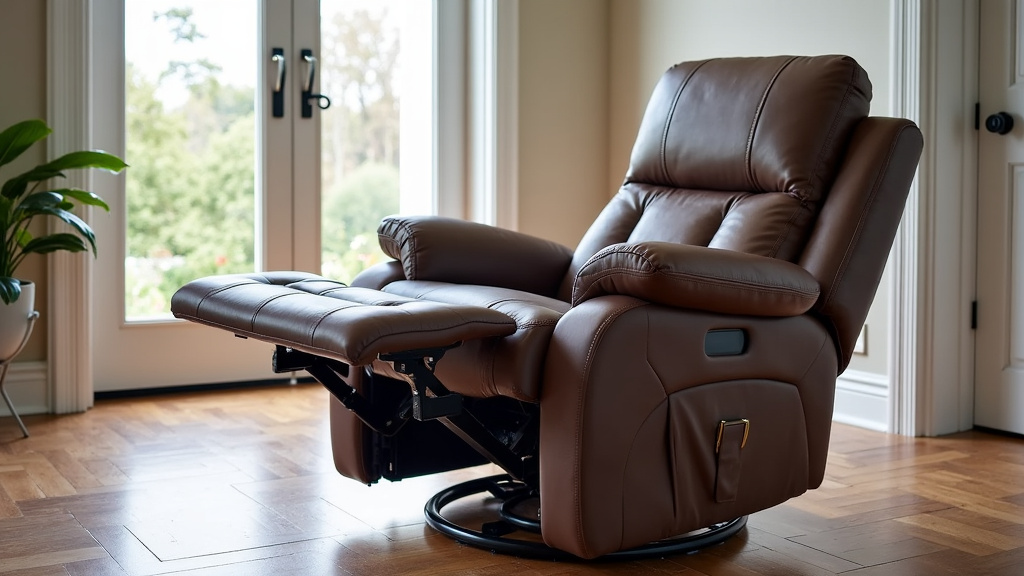
A lay flat recliner is a type of chair that lays completely flat, creating a 180-degree angle between the seat and the footrest. This design allows you to recline to a near-horizontal position, making it different from standard recliners that only partially tilt back. It’s built for extended periods of rest without putting pressure on your back.
Unlike a sofa bed or a standard recliner, this chair is dedicated to the full recline experience. We found that many shoppers look for this feature for napping, recovery after surgery, or simply for ultimate relaxation in their living room. It’s a space-saving piece of furniture focused on one primary function: letting you lie down comfortably.
- A lay flat recliner fully reclines to a 180-degree position.
- It provides a flat, horizontal surface for lying down.
- This is different from most recliners, which only tilt back partially.
- You should measure your space carefully, as they need room to extend fully.
- Ideal for those who want a dedicated chair for napping or medical recovery.
Below, we break down everything you need to know about choosing, using, and caring for a lay flat recliner. Let’s look at the key benefits and what to check for before you buy.
Understanding the Lay Flat Recliner and Its Key Terms
This type of chair is a specific design meant for full-body support. You might hear terms like “180-degree recline” or “zero gravity.” They all point to the same core idea: a seat that goes flat. Let’s break down the parts and what they mean for you.
How a Lay Flat Recliner Actually Works
The chair uses a special mechanism to transform from a seated position to a flat one. It’s not magic; it’s engineering. The goal is to align your body so your weight is evenly distributed. This helps reduce pressure on your hips and lower back.
The 180-Degree Angle Explained
A standard recliner might tilt you back to about 135 degrees. That’s comfortable for watching TV. A lay flat model goes further, creating a straight line from your head to your feet. Think of it like a lounge chair at the pool, but with more support. We found that this angle is key for people who need to lie down but don’t have space for a full bed.
Recline Mechanisms: Manual vs. Power
You have two main choices for how the chair moves. A manual recliner uses a lever or your body weight to push back. It’s simple and has no cords. A power recliner uses an electric motor. You press a button to recline. Power models are often easier to use, especially if you have limited strength. Many experts say power options are a good investment for those with mobility concerns (Mayo Clinic).
Why People Choose a Lay Flat Recliner
So, what’s the big deal? Why not just use a regular recliner or a sofa? The benefits are clear once you understand them. It’s all about dedicated comfort and support.
Health Benefits for Your Back and Legs
Lying flat can help with blood circulation. When your legs are elevated, it can reduce swelling. For back pain, a flat surface removes the curve from a standard chair. We found that this position is often recommended for people with certain spinal conditions or after surgery. It’s not a cure, but it’s a helpful tool for comfort.
Convenience for Napping and Recovery
Do you ever fall asleep in your recliner and wake up with a stiff neck? That’s because it wasn’t flat. A lay flat recliner is like having a dedicated napping spot in your living room. It’s also perfect for recovery. If you’re healing from an injury or surgery, you need a stable, flat place to rest without moving around too much. It’s a practical solution for everyday life.
Who Should Consider This Type of Recliner?
Not everyone needs one, but for certain people, it’s a game-changer. If you value full-body rest or have specific needs, this is worth a look.
Ideal for Seniors and Those with Mobility Issues
Getting up and down can be hard. A lay flat recliner often has a lower seat height and sturdy arms to help you stand. The full recline means you don’t have to twist or strain to get comfortable. It’s a thoughtful piece of furniture for aging in place.
Helpful for Post-Surgery and Chronic Conditions
After an operation, doctors often advise you to keep your body in a neutral position. A lay flat recliner provides that. It can be easier than getting in and out of bed all day. For conditions like back pain or fibromyalgia, the even support can make a big difference in daily comfort. Many guidelines point to proper support as a good first step for pain management (CDC).
Key Features to Look for When Buying
You’re ready to shop. Here’s what to focus on. Don’t just look at the price tag; check the details that matter for comfort and longevity.
Size and Space Requirements
This is critical. A lay flat recliner needs room behind it to open fully. Measure your space before you go to the store. You’ll need at least 12-18 inches of clearance from the wall. Some models are wall-huggers, meaning they slide forward as they recline. These are great for smaller rooms. If you buy a big chair without measuring, you might end up with a piece of furniture that doesn’t fit.
Material and Comfort
The fabric or leather affects how the chair feels and how easy it is to clean. Microfiber is soft and affordable. Top-grain leather is durable and looks nice but costs more. Consider your lifestyle. Do you have pets or kids? Then you might want a material that’s easy to wipe down. Also, check the padding. It should be firm but comfortable. You don’t want a chair that sinks too much.
Recline Mechanism and Ease of Use
We already mentioned manual vs. power. But also think about who will use the chair. If it’s for an older adult, a power recliner with simple buttons is better. Some models have a USB port for charging devices. Others have a built-in footrest that extends fully. Test the mechanism if you can. It should be smooth and quiet.
Lay Flat Recliner vs. Other Seating Options
How does it compare to other chairs? A quick comparison can help you decide.
Quick Comparison Table
| Feature | Standard Recliner | Lay Flat Recliner | Sofa Bed |
|---|---|---|---|
| Recline Angle | Partial (110-140°) | Full 180° flat | Flat but as a bed |
| Primary Use | Relaxing, TV watching | Napping, medical recovery | Guest sleeping |
| Space Needed | Moderate | More (full clearance) | Large (unfolds) |
| Comfort for Lying Down | Not designed for it | Designed for it | Good for sleeping |
| Convenience | Always ready | Always ready | Needs setup |
A sofa bed is for overnight guests. A lay flat recliner is for you, all the time. It’s a dedicated chair for your own rest.
Maintenance and Care Tips to Keep It Lasting
You bought it. Now, how do you keep it nice? A little care goes a long way.
Regular Cleaning and Upkeep
Dust and crumbs get everywhere. Vacuum the crevices with a soft brush attachment. For fabric, check the label for cleaning instructions. Most can be spot-cleaned with mild soap. For leather, use a leather cleaner and conditioner a few times a year. This prevents cracking and keeps it soft.
Fabric Care Tips
Blot spills immediately with a clean cloth. Don’t rub; that pushes the stain in. Use a gentle, water-based cleaner if needed. Test on a hidden area first. We found that regular care prevents most stains from setting.
Mechanism Maintenance
The moving parts need attention. Keep the tracks clean and free of hair or debris. If the chair is manual, lubricate the pivot points once a year with a light oil. For power models, check the cord for damage. If it stops working, unplug it and check the fuse before calling for help.
Final Checklist: What to Know Before You Buy
Here’s a simple list to guide you. Keep these points in mind when you shop.
- Measure your room and leave 18 inches of clearance behind the chair.
- Consider who will use it and choose a mechanism that
Conclusion
A lay flat recliner is a specialized chair designed for one primary purpose: to let you lie completely flat. It offers a unique solution for napping, recovery, or ultimate relaxation that standard recliners cannot. The key is to **match the chair to your specific needs**, whether that’s for post-surgery support or a comfortable napping spot. Remember to carefully **measure your space for the required clearance**. Before you buy, consider the mechanism, material, and who will be using it. Your best next step is to visit a furniture store and test different models in person. See how the 180-degree recline feels and ensure the size is right for your room.
Frequently Asked Questions
How is a lay flat recliner different from a standard recliner?
A standard recliner typically only tilts back to a partial angle, around 135 degrees. A lay flat recliner is engineered to recline to a full 180-degree horizontal position. This creates a completely flat surface for lying down, which is its main design goal.
Can you sleep in a lay flat recliner every night?
Many people use them regularly for sleep, especially during recovery. While they provide a flat surface, they are not a replacement for a proper mattress for long-term spinal health. They are excellent for temporary needs or as an alternative to a bed when getting up is difficult.
How much space do I need behind the chair?
You should plan for **12 to 18 inches of clearance** between the back of the chair and any wall or furniture. This space allows the recliner to fully extend into the flat position without obstruction. Some wall-hugger models are designed to need less space, so check specifications.
Are power or manual recliners better for this style?
The choice depends on your strength and mobility. **Manual recliners** are simpler and have no cords. **Power recliners** are easier to operate, especially if you have limited strength or arthritis, as they require just the push of a button.
How do I clean the fabric on my recliner?
Always check the manufacturer’s label first for specific care instructions. For most fabric types, **blot spills immediately** and avoid rubbing. Regular vacuuming with a brush attachment removes dust and debris from the crevices.