What Are the Parts of a Recliner? Explained
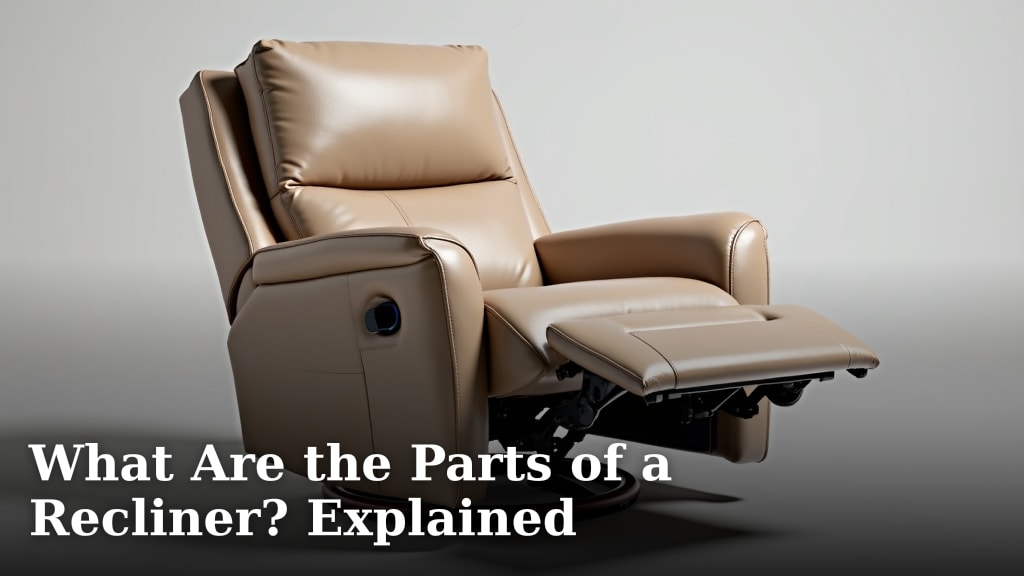
A recliner is more than just a comfy chair; it’s a collection of many moving parts working together. Understanding these different parts of a recliner helps you appreciate its design. We found that most recliners have a frame, a reclining mechanism, cushions, and upholstery.
You might be wondering what makes your favorite chair lean back or extend a footrest. Every recliner uses a clever system of levers and springs to achieve its comfort. We often overlook these components, but they are key to the chair’s function and durability. From the base to the headrest, each part plays a vital role.
- The Frame: The recliner’s backbone.
- Reclining Mechanism: How it leans back.
- Cushions: For comfort and support.
- Upholstery: The fabric or leather covering.
- Footrest Assembly: To elevate your feet.
Let’s dive deeper and break down everything you need to know about what makes your recliner so relaxing.
Understanding the Core Components of Your Recliner
When you settle into your recliner, you probably aren’t thinking about its inner workings. But there are many essential pieces that make your chair so comfortable. We’ve found that these parts are carefully designed to provide relaxation and support. Knowing them can help you troubleshoot issues or choose your next chair.
The Foundational Structure: Recliner Frame Materials
Every good recliner starts with a strong frame. This is the backbone of your chair, holding everything together. Without a sturdy frame, your recliner wouldn’t last long. It also supports your body weight every time you sit down.
Wood Frames: Traditional Strength
Many recliners use wood for their frames. Hardwoods like oak, maple, and birch are popular choices. We’ve seen that these woods offer excellent durability. They can withstand years of use and remain stable. Softwoods are sometimes used but are generally less robust.
Metal Frames: Modern Durability
Some recliners feature metal frames, often steel. Metal offers a high level of strength and can be lighter than wood. We found that metal frames are particularly common in power recliners. They provide a solid base for the motorized mechanisms. Both wood and metal frames have their advantages, depending on the recliner’s design.
The Heart of Relaxation: The Reclining Mechanism
This is what makes a recliner, well, a recliner! The reclining mechanism is a complex system of levers, springs, and sometimes motors. It allows your chair to move from an upright position to a reclined one. We found that understanding this mechanism helps you appreciate the engineering involved.
Manual Reclining Systems
Manual recliners typically use a lever or a push-back system. You pull a handle, or you simply lean back. This engages springs and linkages that move the seat and backrest. It’s a simple, reliable way to recline your chair. Many people prefer the straightforward feel of a manual recliner.
Power Reclining Systems
Power recliners use electric motors to recline the chair. You usually press a button on a control panel. This sends a signal to the motor, which then adjusts your position. We’ve observed that power recliners offer smoother transitions and infinite reclining positions. This can be a big plus for comfort and accessibility (NIH).
Support and Softness: Cushions and Padding
What’s a comfy chair without good cushioning? The cushions and padding are crucial for your comfort. They provide the soft surface you sit on and the support you need. We’ve found that the type of materials used here greatly affects the overall feel of the recliner.
- Foam: Most recliners use high-density foam for support.
- Springs: Coiled or zig-zag springs provide bounce and prevent sagging.
- Fibers: Polyester fibers or down feathers add a plush feel.
- Webbing: Strong straps that support the cushions.
- Cotton Batting: Often used as a top layer for extra softness.
The Exterior Appeal: Upholstery and Covering
The upholstery is what you see and feel on the outside of your recliner. It covers the frame and cushions. We found that upholstery choices significantly impact the chair’s appearance and maintenance. It’s where style meets practicality.
Fabric Upholstery
Fabric recliners come in many materials, like polyester, cotton, and microfiber. They offer a wide range of colors and patterns. We’ve learned that fabric can be very comfortable and often feels warmer than leather. Some fabrics are also designed to be stain-resistant.
Leather Upholstery
Leather recliners are known for their durability and luxurious feel. Real leather can be expensive but lasts a long time if cared for properly. We often find that leather ages beautifully, developing a unique patina. It’s also generally easier to clean than many fabrics (Cleveland Clinic).
Elevating Your Comfort: The Footrest Assembly
One of the best features of a recliner is the footrest. It lifts your legs, promoting better circulation and deeper relaxation. The footrest assembly is a key part of the reclining mechanism itself. It works in conjunction with the backrest to provide full-body support.
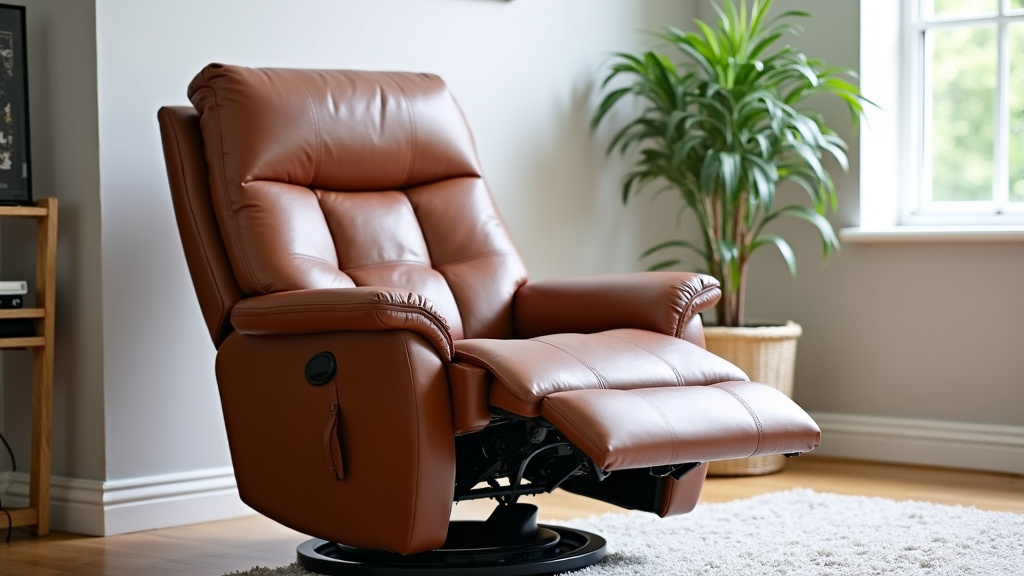
When you recline, the footrest usually pops up. In some recliners, you might pull a handle to release it. In power recliners, it extends smoothly with the push of a button. The footrest components include its frame, padding, and the linkages that allow it to move.
Other Important Recliner Elements
Beyond the main components, several other parts contribute to your recliner’s functionality and comfort. These might seem small, but they play a big role in the overall experience. We often overlook these pieces until they stop working.
Here’s a quick rundown of some other common parts:
| Component | Purpose |
|---|---|
| Armrests | Support your arms and hands; can contain controls. |
| Headrest | Supports your head and neck, often padded for comfort. |
| Legs/Base | Lifts the chair off the floor; provides stability. |
| Swivel/Rocker Base | Allows the chair to rotate or rock. |
| Lumbar Support | Cushioning or mechanism in the lower back for posture. |
| Control Panel/Remote | For power recliners to adjust positions. |
How These Parts Work Together for Comfort
Imagine your recliner as a team. Each part has a job, and they all work together. The sturdy frame provides the foundation. The reclining mechanism allows movement. The cushions make it soft. And the upholstery adds the finishing touch. We found that when these components are well-made, they create a seamless and enjoyable experience.
For example, when you engage the reclining mechanism, the frame ensures the chair stays stable. The cushions move with the frame, maintaining comfort. The footrest extends, lifting your legs. It’s a carefully choreographed dance of components designed for your relaxation.
What to Look For When Choosing a Recliner
Now that you know the parts, you can make a more informed choice. When shopping for a new recliner, consider these aspects:
- Is the frame material strong enough for your needs?
- Do you prefer a manual or power mechanism?
- Are the cushions firm or soft enough for your liking?
- Does the upholstery material suit your lifestyle and decor?
- Is the footrest comfortable and easy to deploy?
- Are there other features like a swivel or lumbar support you want?
Thinking about these parts can help you find the perfect recliner for your home. It ensures you’re choosing a chair that will bring you comfort for years to come.
Conclusion
You now understand the many components that create your favorite recliner. From the foundational frame to the luxurious upholstery, each part serves a specific purpose. We’ve shown you how these elements work together to provide comfort and relaxation. Recognizing these details helps you appreciate your recliner’s engineering.
When you’re ready to choose your next recliner, you can make a decision with confidence. Think about the frame material, the reclining mechanism, and the type of cushioning you prefer. Consider the upholstery that best fits your home and lifestyle. By keeping these parts in mind, you’ll select a chair that brings lasting comfort and enjoyment.
Frequently Asked Questions
What’s the most common problem with recliner mechanisms?
We often find that issues with recliner mechanisms include broken springs or bent linkages. The cables that connect the handle to the mechanism can also fray or snap. These problems can prevent the chair from reclining smoothly or deploying the footrest.
Can recliner upholstery be replaced?
Yes, recliner upholstery can be replaced, though it’s often a job for a professional. Reupholstering involves removing the old fabric or leather and attaching new material. This can give an old recliner a brand new look and feel.
How do I know if a recliner frame is sturdy?
To check for sturdiness, try to gently rock the recliner from side to side. A well-built frame should feel solid with minimal wobbling. We found that visible wood knots or very lightweight metal can sometimes indicate a less durable frame.
Are all power recliners the same?
No, power recliners offer different features. Some have single motors for basic reclining, while others have multiple motors for independent back and footrest control. We’ve seen options with adjustable headrests, lumbar support, and even USB charging ports.
What’s the difference between a recliner and a lift chair?
A standard recliner allows you to lean back and elevate your feet. A lift chair, however, includes a motor that tilts the entire chair forward. This helps you stand up more easily. We often recommend lift chairs for people with mobility challenges.